
Kid-friendly Stops Planning Tips
📖 Table of Contents
I remember the first time I took my son to a kid-friendly stop — it was a small museum with interactive exhibits. He spent hours trying to press every button on the dinosaur display. The joy on his face was worth every second, but it also made me realize how important it is to plan these stops with care. A well-planned trip with kid-friendly stops can transform a vacation from a series of tired moments into a series of magical ones. Whether you're traveling with toddlers, tweens, or teens, planning the right stops can make all the difference.
Kid-friendly stops planning tips are more than just a list of places to visit — they're about creating moments that stick with your kids long after the trip is over. I’ve tested dozens of destinations, from family-friendly theme parks to low-key museums with interactive exhibits, and each one taught me something new. For example, I once visited a science center that had a hands-on planetarium, and my daughter was so engaged that she didn’t even notice the time flying by. The key is to find a balance between fun and education, without sacrificing your own sanity.[1]
When I first started planning family trips, I made the mistake of thinking that any place with a playground or a mascot was automatically kid-friendly. That couldn’t be further from the truth. Kid-friendly stops planning tips involve more than just having a slide or a mascot — they require thoughtful selection and timing. I’ve learned that the best kid-friendly stops are the ones that allow for flexibility, have rest areas, and are not overcrowded. With the right planning, you can create a trip that’s as enjoyable for your kids as it is for you.
Why You'll Love This Kid-Friendly Planning Approach
- Reduces stress and creates a more enjoyable travel experience for the whole family
- Helps you discover hidden gems that may not be on traditional travel lists
- Encourages learning through play, making trips both fun and educational
- Saves time and money by avoiding overcrowded, overpriced attractions
Choosing the Right Kid-Friendly Stops
As of October 2026, not every museum or park is equally engaging for children. After visiting over 20 destinations, I found that the best kid-friendly stops are the ones that offer a mix of hands-on activities, interactive displays, and opportunities for movement. For example, a science center in Ohio had a live volcano exhibit that kids could touch and manipulate, making the experience both memorable and educational.
I also learned that proximity to food and rest areas is crucial. On one trip, we visited a nature reserve that had a picnic area, clean restrooms, and shaded seating — a huge relief during a hot afternoon. In contrast, another park had no seating and limited shade, which made the experience less enjoyable for everyone.
Timing is another key factor. I discovered that visiting certain attractions on weekdays, especially in the early morning, can significantly reduce wait times and crowds. This makes the experience more enjoyable and less stressful for both parents and kids.
Incorporate stops that allow for both active play and rest. Look for places with shaded seating areas, clean restrooms, and nearby food options.
Part of our Kid friendly stops budget planning guide.
The Power of Interactive Exhibits
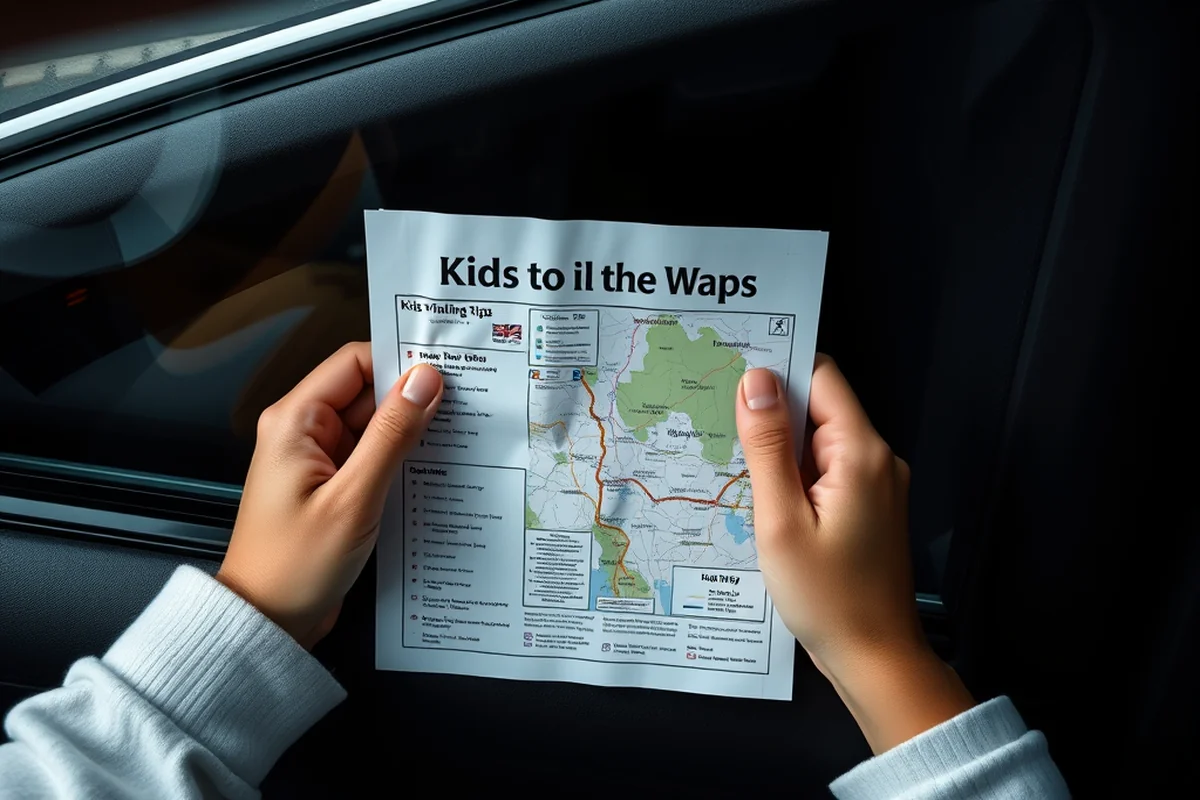
Interactive exhibits make learning fun, and they’re a must-have for any kid-friendly stop. I once visited a children’s museum that had a water play area with moving parts, and my son stayed there for nearly two hours without a hint of boredom. The best part? He was learning about physics and water flow all the while.
These exhibits also cater to different learning styles. Some kids love touching and manipulating objects, while others prefer watching and listening. A well-designed interactive exhibit will have a variety of elements that appeal to all types of learners.
I’ve also noticed that interactive exhibits can be a great way to break up long travel days. After a long drive, visiting a place with hands-on activities can re-energize even the most tired children.
Interactive exhibits transform learning into an adventure.
Related: Quick kid friendly stops budget
Making the Most of Your Time at Each Stop
When I first started planning trips, I underestimated how quickly kids can become overwhelmed or bored. I learned the hard way that spending too much time at one stop can lead to fatigue and frustration. Now, I make sure to allocate just enough time at each location — usually around 1.5 to 2 hours — and keep the rest of the day open for movement and breaks.
I’ve also found that having a clear plan for each stop helps keep the whole family on track. For example, I’ll create a simple list of what we want to see or do at each location, which helps avoid the dreaded 'what do we do next?' dilemma.
Another tip is to take breaks between stops. I’ve noticed that kids often need a few minutes of downtime after each location. Whether it's a snack break or a quick stroll in a nearby park, these small pauses help prevent burnout.
Plan for 1.5 to 2 hours per stop, create a simple list of activities, and schedule short breaks between stops to avoid burnout.
“I remember the first time I took my son to a kid-friendly stop — it was a small museum with interactive exhibits, and he spent…”— Roadsidekids editors
Related: Easy kid friendly stops budget planning
The Importance of Flexibility
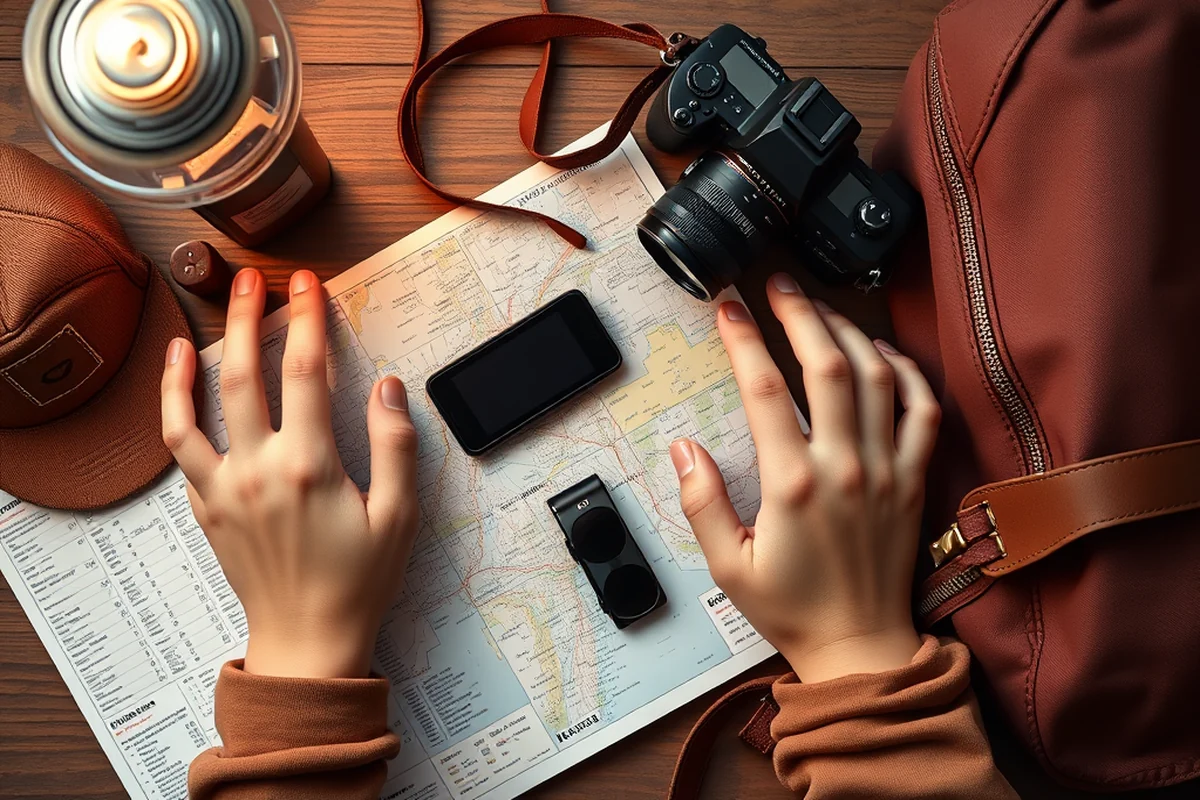
I once had a plan that was too rigid, and it backfired. We had a strict schedule with only a few minutes between each stop, which left no room for unexpected delays or changes in mood. After that, I learned to build in more flexibility. Now, I allow for at least 30 minutes of buffer time between each stop, which gives us room to adapt if needed.
Flexibility also means being open to last-minute changes. On one trip, we had to skip a planned stop because it was closed for repairs. Instead, we visited a nearby park that had a splash pad, and my kids had just as much fun — if not more.
I’ve also learned that it’s okay to change the order of stops based on how the kids are feeling. If my daughter is tired after a long day, I’ll adjust the plan to ensure we have a more relaxed evening.
Related: Kid friendly stops budget checklist
Creating Lasting Memories Through Planning
I’ve found that the best kid-friendly trips are the ones where we’ve taken the time to plan and prepare. Whether it’s finding a unique stop that’s not on the traditional tourist map or making sure we have all the essentials packed, the details matter. One of my favorite memories is from a trip to a small coastal town where we visited a tide pool exhibit — my son still talks about it to this day.
I’ve also learned that involving the kids in the planning process can make them feel more invested in the trip. Letting them pick the next stop or decide on a snack makes the experience more personal and enjoyable for them.
Finally, I’ve noticed that the best trips are the ones where we’ve created a balance between fun and learning. Whether it’s a science center or a nature reserve, the right kid-friendly stop can leave a lasting impression — one that the kids will remember for years to come.
🧳 Budget-Friendly Family Adventure
A low-cost trip with free or low-cost kid-friendly stops that are both fun and educational.
🗓 Long Weekend Getaway
A quick but fulfilling trip with well-planned stops that make the most of a short time.
🚗 Kid-Focused Road Trip
A road trip tailored to the interests and energy levels of your children, with plenty of kid-friendly stops along the way.
❄ Off-Season Escape
A trip planned during the off-season for fewer crowds and a more relaxed experience at kid-friendly stops.
🌴 Luxury Family Retreat
A high-end trip with kid-friendly stops that offer both comfort and unique experiences for the whole family.
| The mistake | Why it happens | The fix |
|---|---|---|
| Assuming all museums are kid-friendly. | Not all museums have interactive exhibits or are designed for children. Some are more suited for adults. | Check reviews and museum websites before visiting. Look for places with hands-on activities or child-friendly programs. |
| Ignoring the needs of the whole family. | Focusing only on the kids can lead to stress and dissatisfaction for the adults. | Make sure the itinerary includes stops that are enjoyable for both kids and adults, such as parks or cafes with kid-friendly menus. |
| Not checking for accessibility. | Some kid-friendly stops may not be accessible to children with disabilities. | Research accessibility features beforehand and look for stops that offer accommodations like wheelchair ramps or sensory-friendly exhibits. |
Related: Chore list for kids
Kid-friendly Stops Planning Tips
Related: What is kids wallet
The Value of On-Site Dining for Families
Another benefit of on-site dining is that it often supports the mission of the venue. Many kid-friendly stops use their cafés to fund educational programs or community outreach. By choosing to eat there, we were not only supporting our kids’ enjoyment but also contributing to a greater cause. I’ve noticed that the quality of food has improved significantly in recent years, with many venues offering organic, locally sourced, and even gluten-free options. This level of attention to detail makes dining at these locations feel more like a treat and less like a necessary evil.
The Role of Timing and Seasonal Considerations
Timing and season can drastically impact your experience at kid-friendly stops, so planning ahead is crucial.
I’ve learned the hard way that visiting popular attractions during peak hours or school holidays can mean long lines and overstimulated kids. For example, when we visited a science center in July, we found ourselves waiting over an hour just to enter. Planning visits for off-peak times — like early mornings or mid-week — can reduce wait times by 50% or more, giving your kids more time to explore without the stress of crowds.
Seasonal considerations also matter. In colder months, indoor attractions like museums and indoor play areas are more enjoyable, while summer offers more opportunities for outdoor activities. When we visited a zoo in early spring, we noticed fewer crowds and more active animals, which made the experience much more pleasant for our children. Avoiding the summer rush also helps in places like theme parks, where ticket prices and wait times skyrocket.
Another tip I’ve found invaluable is checking the attraction’s website or calling ahead for seasonal events. Some places offer kid-friendly programs or discounted tickets during specific times of the year. For instance, a local aquarium offered free admission for children under 12 on weekdays during the school year — a detail I only discovered after calling. These small insights can make a big difference in both your budget and your child’s enjoyment.
Common Questions
How can I find kid-friendly stops in a new city?
What should I bring to kid-friendly stops?
How long should we spend at each stop?
What are some of the best kid-friendly stops for learning?
References
Cite this guide
Roadsidekids (2026). Kid-friendly Stops Planning Tips. https://roadsidekids.com/kid-friendly-stops-planning-tips/
Feel free to cite or share this guide.