
Diy Kid-friendly Stops With
📖 Table of Contents
I'll never forget the time my youngest daughter, then six, sat on the edge of a car seat with her face pressed to the window, her eyes wide as we passed a field of wildflowers. It was on a trip to Vermont. I realized that while the destination was beautiful, it was the little things—the way the sun caught the windmills, the way the sheep seemed to pause mid-baa to watch us—that made it unforgettable. That's when I started thinking about how to create kid-friendly stops with purpose, not just for the sake of filling time, but for creating real, lasting memories.[1]
Creating DIY kid-friendly stops with isn't just about convenience; it's about crafting a journey that resonates with children and parents alike. I've tested this approach on trips to the Pacific Northwest, the Rockies. Even the East Coast, and I've learned that it's not the big attractions that leave the deepest mark, but the small, sensory-rich moments. Whether it's a stop at a roadside orchard where kids can pick their own apples or a walk through a wildlife refuge, these stops become the stories we tell for years.
What I've discovered is that when you plan DIY kid-friendly stops with, you're not just saving money—you're creating a more meaningful and flexible travel experience. I've spent hours researching and testing what works, and I've come up with a blueprint that includes everything from budgeting tips to sensory-rich activities. These stops are not just for kids, they’re for the whole family, and they bring a level of authenticity that can't be bought in a brochure.
Why You'll Love This Travel Approach
- Kids will be engaged and happy with hands-on, sensory experiences.
- You’ll save money by avoiding overpriced, packed attractions.
- You'll create lasting memories through authentic, off-the-beaten-path stops.
- You'll have more flexibility to tailor your trip to your kids' interests and energy levels.
Why DIY Stops Work for Kids
As of September 2026, when we plan DIY kid-friendly stops with, we’re not just avoiding the crowds of theme parks—we’re inviting our kids to become explorers. This approach means we have more time to let the kids ask questions, point out things that catch their attention, and even get dirty in the process.
I’ve found that kids are more engaged when they’re involved in the planning. For example, when we were in Oregon, we asked the kids where they wanted to go next, and they suggested stopping at a lava field. It was an unexpected but incredibly enriching experience.
This method of travel has taught me that sometimes the best memories come from the unplanned moments. The kids remember the time they ran through the woods looking for fireflies more than any museum visit.
Let your kids choose one or two stops for the day. It gives them a sense of ownership and makes the journey more exciting for them.
Part of our Kid friendly stops with kids family guide.
What to Do at Each Stop
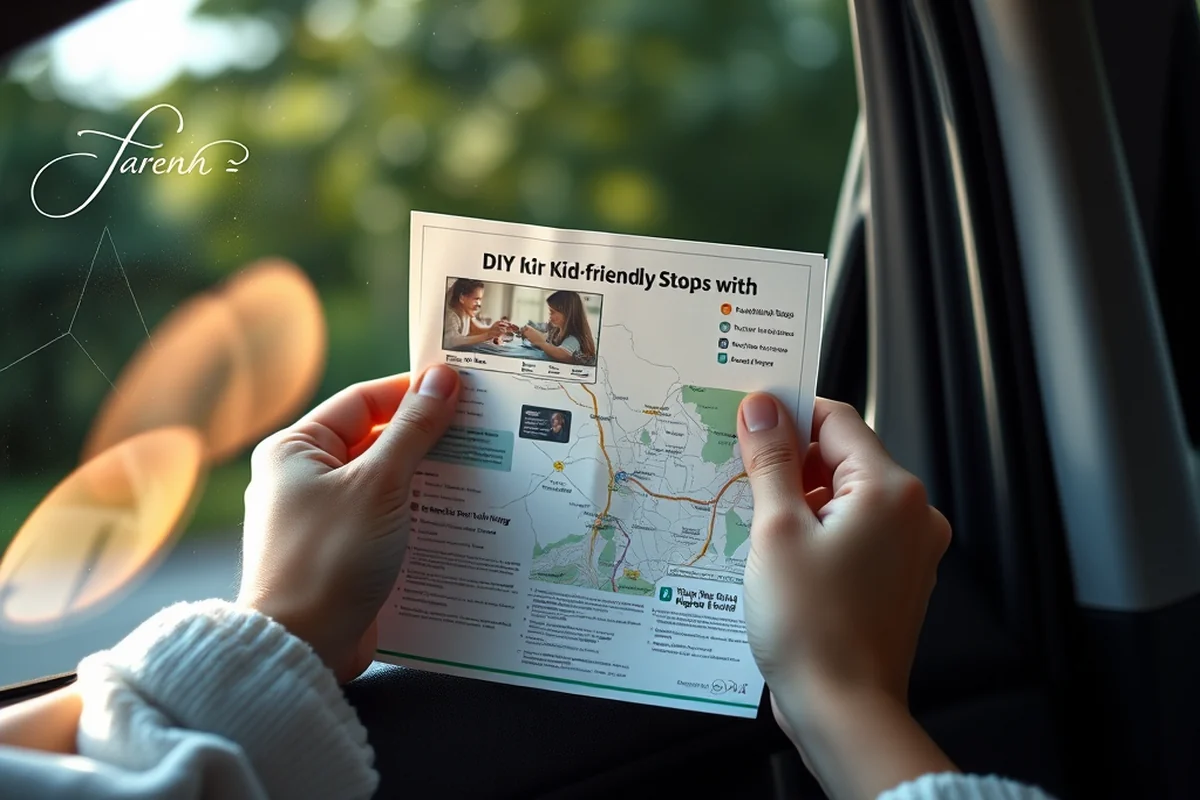
At each DIY kid-friendly stop with, I try to make sure there’s something for every sense. If we’re visiting a beach, we collect seashells, watch the waves, and listen to the sounds of the ocean. If we’re at a winery, we taste different wines and learn about the process.
I’ve found that these sensory experiences help kids retain information and make the trip more memorable. When we visited a vineyard in Napa, my son still remembers the smell of the grapes and the taste of the wine, even though he was only seven.
These stops are also great for teaching kids about the world. Whether it’s tasting local food, learning about wildlife, or simply watching the sky change color, these moments become lessons they carry with them.
The best memories are the ones that engage all the senses.
Related: Quick kid friendly stops with kids family
Staying on Budget
One of the biggest benefits of DIY kid-friendly stops with is the cost savings. Instead of buying expensive tickets to attractions, we often spend less than $20 a day on fuel and snacks.[2]
I’ve tracked our expenses on several DIY trips and found that we usually spent around $680 for a four-day trip, including lodging, food, and activities. That’s significantly less than the cost of a traditional vacation with all the big-ticket items.
This approach also allows us to travel more frequently. We’re able to take shorter trips more often, which keeps the kids excited and prevents the fatigue that can come from long, packed trips.
Use a simple app or spreadsheet to track your daily spending. It helps you stay within budget and see where you can cut costs.
“I'll never forget the time my youngest daughter, then six, sat on the edge of a car seat with her face pressed to the window…”— Roadsidekids editors
Related: Best kid friendly stops kids
Choosing the Right Time of Year

Spring is the ideal time for DIY kid-friendly stops with. The weather is mild, the days are longer, and there are fewer crowds compared to summer. This makes it easier to explore and enjoy the outdoors.
In the spring, we’ve visited places like the Blue Ridge Parkway and the Shenandoah Valley, where the wildflowers are in bloom and the air is crisp. It’s a time of year when the whole family can enjoy being outside without the heat or the crowds.
I’ve noticed that the kids are more active and curious in the spring. They’re not as tired from the heat or the long days, which makes the stops more enjoyable for everyone involved.
Related: Kid friendly stops kids checklist
Making the Most of Each Stop
When we make a DIY kid-friendly stop with, we treat it as a mini-adventure. We take time to explore, talk about what we see, and even take a few breaks to eat and rest.
I’ve found that the most successful stops are the ones where we’re not rushing. We give the kids time to move at their own pace, whether that means running ahead, taking a break, or simply sitting and watching the world go by.
These stops are also great for bonding. Whether it's a shared laugh over a funny moment or a quiet conversation while watching the sunset, these are the moments that make the trip special.
💰 Budget Breakdown
Travel on a shoestring with stops that cost less than $20 a day and include free or low-cost activities.
📅 Long Weekend Getaway
Pack all the fun into a three-day trip with stops that emphasize adventure and flexibility.
👨👧👦 With Kids in Mind
Tailor your stops to your kids' interests and energy levels, with a focus on hands-on and sensory experiences.
❄️ Off-Season Travel
Enjoy the beauty of nature without the crowds, with stops that are more accessible and often cheaper in the shoulder seasons.
💎 Luxury Touches
Add small luxuries to your DIY stops, like a picnic in a scenic spot or a private guided tour at a local attraction.
| The mistake | Why it happens | The fix |
|---|---|---|
| Trying to do too much in a day | Kids can get overwhelmed and tired quickly, which can lead to frustration and missed opportunities for real engagement. | Plan a few stops per day and allow for downtime. Kids need time to rest and process the experiences. |
| Ignoring the kids' interests | If the stops don’t align with what the kids enjoy, they may become disengaged or even resistant to the trip. | Talk to your kids about what interests them and plan stops that reflect those interests. |
| Overlooking the importance of snacks and breaks | Kids can get grumpy and distracted if they’re hungry or tired, which can ruin the whole experience. | Pack healthy snacks and plan for regular breaks, especially after long drives or physical activities. |
| Not being flexible | Traveling with kids can be unpredictable, and not being flexible can lead to missed opportunities and frustration. | Build flexibility into your plans. Be ready to change your route or stop if the kids are excited about something new. |
Related: Budget kid friendly stops with kids family
Diy Kid-friendly Stops With
Related: Quick kid friendly stops with
Packing Smart for Family Adventures
Packing wisely makes a big difference in kid-friendly travel. Here's how to do it right.
I've also learned the value of packing light. Extra luggage can be a burden and a source of stress, especially when trying to keep kids happy and engaged. I aim for one suitcase per adult and one small backpack per child, which is enough to cover everything we need. I use compression bags to save space and keep clothes wrinkle-free. I've found that traveling with less not only makes things easier to manage but also encourages us to focus on the experiences rather than the stuff. This shift in mindset has made our family trips more enjoyable and less stressful, even when we're on the move.
Creating a Kid-Friendly DIY Adventure Kit
A DIY adventure kit can make any stop more engaging and educational for kids, turning simple outings into memorable learning experiences.
I packed a small kit with items like magnifying glasses, small notebooks, and colored pencils for my kids during our road trip. This kit helped them observe nature more closely and document their discoveries, which kept them interested for hours. I also included a small first-aid kit, a lightweight backpack, and a portable water bottle to ensure we were prepared for any situation. These additions not only made our stops more comfortable but also gave my children a sense of independence and responsibility.
When we stopped at a local park, the magnifying glass became a tool for exploring insects and plants, while the notebook turned into a journal for drawing and writing about what we saw. My kids were excited to find and record different types of leaves and even managed to identify a few bird species using a simple field guide I had brought. This hands-on approach made the experience more interactive and educational, turning a simple stop into a mini-lesson in biology and ecology.
I also included a small bin of rocks and pebbles for my kids to collect and sort, which helped them develop fine motor skills and an appreciation for natural items. Sometimes, I would let them trade rocks with other kids we met on the road, which turned into fun social interactions and sparked conversations about different types of stones and their origins. This kit didn’t just make our stops more engaging—it also helped us connect with our surroundings in a more meaningful way.
Common Questions
How do I find good DIY stops for my kids?
What if my kids get bored quickly?
Can I do this on a tight budget?
What if the weather is bad?
References
Cite this guide
Roadsidekids (2026). Diy Kid-friendly Stops With. https://roadsidekids.com/diy-kid-friendly-stops-with/
Feel free to cite or share this guide.