
How To Kid Friendly Stops Budget Planning
📖 Table of Contents
I remember the first time I tried to plan a kid-friendly road trip with a tight budget — it felt like trying to assemble a jigsaw puzzle with pieces from different boxes. I had a 5-year-old, a 2-year-old, and a $1,000 budget for a 4-day trip. It was a mess. But after several trips and learning from my own mistakes, I’ve figured out how to create a kid-friendly stops budget planning that works, without breaking the bank or my patience.
The key to a successful trip with kids is not about luxury or extravagance, but about thoughtful planning and knowing where to splurge and where to cut corners. I’ve learned the hard way that you don’t need to spend a fortune on theme parks or overpriced hotels to have a memorable family vacation. It’s about finding hidden gems, using free or low-cost attractions, and planning stops that keep your kids engaged and happy.
With the right approach, you can create a kid-friendly stops budget planning that’s both fun and affordable. Whether you’re traveling with toddlers, teenagers, or a mix, I’ll walk you through how to build a trip that fits your budget, keeps your kids entertained. Leaves you with a sense of accomplishment — and maybe even a few new family memories to hold onto.
Why You'll Love This Kid-Friendly Stops Budget Planning
- You’ll save money without sacrificing fun or quality time with your kids.
- You’ll discover hidden gems and local favorites that aren’t on the typical tourist radar.
- You’ll build a flexible itinerary that keeps your kids happy and your budget intact.
- You’ll gain confidence in planning future trips with kids, knowing you’ve got a blueprint.
Choosing the Right Destination
As of October 2026, the first and most crucial step in kid-friendly stops budget planning is choosing the right destination. Look for places that have a mix of free attractions, parks, museums with kid-friendly policies, and affordable accommodations. Cities like Portland, Oregon or Austin, Texas are great options because they have a wealth of family-friendly activities without the high costs of places like Disneyland or Las Vegas.
Another thing to consider is the availability of kid-friendly transportation. If you’re planning a road trip, choose a route with scenic driving, rest areas with playgrounds, and opportunities to stop at local farms or parks. This keeps your kids engaged and gives you a chance to break up long drives.
I’ve found that destinations with a strong sense of community and local events can be a goldmine for budget-friendly fun. For example, during spring, many towns host festivals and free concerts that are perfect for families. These events are not only entertaining but also provide a great way to experience the local culture without spending much.
Check the local event calendar before you go. Many towns offer free festivals, parades, and concerts that are perfect for kids and won’t add to your budget.
Part of our Kid friendly stops budget planning guide.
Designing Your Itinerary
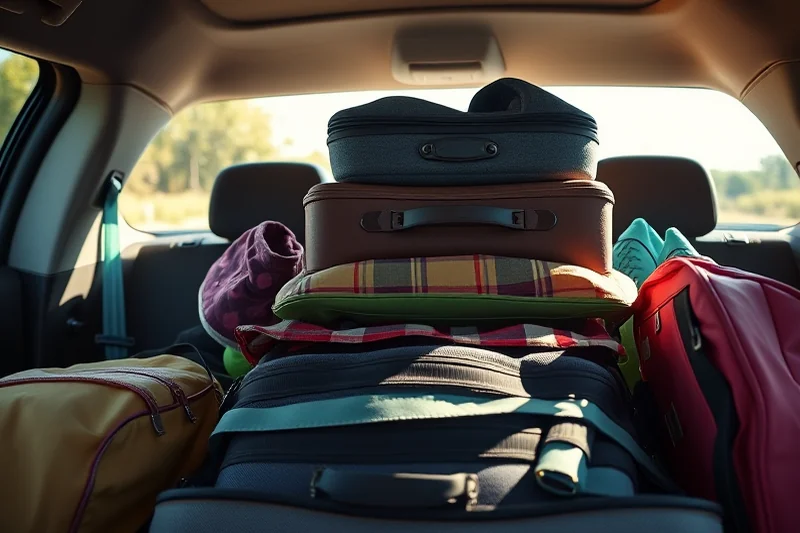
After choosing a destination, the next step is designing an itinerary that keeps both your kids and your budget in mind. Start by listing all the attractions you want to visit, and then group them by proximity. This minimizes travel time and keeps your kids happy.
I’ve learned the hard way that trying to do too much in a day is a recipe for disaster. Kids need breaks, and so do parents. I now plan 2-3 major stops per day, with downtime for snacks, play, or even a quick picnic in a park. This approach not only helps with the budget but also keeps your kids from getting bored or overwhelmed.
Another tip is to include free or low-cost stops in your itinerary. For example, a visit to a local zoo or botanical garden might cost $10 per person, but it gives your kids a chance to explore and learn without breaking the bank. I’ve found that these stops also provide a great opportunity for family bonding and shared experiences.[1]
A well-planned itinerary is the backbone of a successful kid-friendly trip.
Related: Kid friendly stops budget for beginners
Managing Accommodations and Meals
Accommodations and meals can be a significant expense on a family trip, but with some planning, you can keep costs low without sacrificing comfort. Look for family-friendly hotels, motels, or even vacation rentals that offer free amenities like breakfast or play areas. I’ve stayed at budget motels that included a breakfast buffet for $10 per person, which saved me a fortune on meal costs.
For meals, try eating at local diners, family restaurants, or even preparing simple meals in your accommodation if it has a kitchen. I’ve found that many kid-friendly restaurants offer special menus for children at a reasonable price. You can also save money by packing snacks and meals to eat on the go, especially during long drives or waiting in line at attractions.
Another way to save is by eating at times when restaurants are less busy and offer lower prices. For example, I’ve found that many places have happy hour deals that are perfect for dinner, and they often include kid-friendly options. This can be a great way to stretch your budget while still enjoying a nice meal.
Bring snacks and meals with you on the go to save money and keep your kids from getting hangry. I always pack a cooler with sandwiches, fruits, and drinks for long drives and stops.
“I remember the first time I tried to plan a kid-friendly road trip with a tight budget — it felt like trying to assemble a…”— Roadsidekids editors
Related: Kid friendly stops budget planning mistakes to avoid
Making the Most of Free Attractions

One of the best ways to keep your kid-friendly stops budget planning on track is to focus on free or low-cost attractions. Many cities and towns have parks, museums with free admission days, and community centers that host family-friendly events. These places often have interactive exhibits, playgrounds, and even mini-golf or other games that are perfect for kids.
I’ve found that some of the most memorable moments from our trips have come from free stops, like visiting a local library that has a storytime session or going to a public park with a splash pad for the kids to play. These experiences are not only affordable but also provide opportunities for learning and bonding.
Another benefit of free attractions is that they often have fewer crowds, which means a more enjoyable experience for your family. I’ve noticed that free museums and parks tend to be less crowded than paid ones, making it easier to explore and enjoy without feeling rushed.
Related: Kid friendly stops budget planning printable
Staying on Budget with Transportation
Transportation can be a hidden cost on a family trip, but with a few smart choices, you can save a lot of money. If you’re traveling by car, it’s important to budget for gas, tolls, and parking. I’ve found that using route planners that factor in fuel costs and tolls can help you plan your stops more efficiently and keep expenses in check.
Another way to save is by using public transportation where available. For example, in some cities, kids ride for free on public transit, which is a great way to save money on transportation costs. I’ve taken the train with my kids in several cities, and it’s been a fun and educational experience for them as well.
When renting a car, look for budget-friendly options and consider the cost of insurance and tolls. I’ve saved money by renting a compact car and using a credit card with free rental car insurance. This can make a big difference in your overall budget, especially for a family trip.
🚌 Budget-Friendly Road Trip
Explore scenic drives with minimal spending, focusing on free attractions and local events.
🌴 Long Weekend Getaway
Pack light and plan a short trip with a mix of city and nature stops for a quick family escape.
⛺ Kid-Friendly Adventure
Focus on outdoor activities and family fun with a flexible itinerary for little travelers.
🍂 Off-Season Travel
Take advantage of lower prices and fewer crowds by traveling during the off-season.
🏨 Luxury with a Twist
Enjoy a more upscale trip without overspending by choosing family-friendly hotels and budgeting wisely.
| The mistake | Why it happens | The fix |
|---|---|---|
| Overpacking the itinerary with too many stops. | This can lead to exhaustion for both parents and kids, and it may cause you to skip attractions or rush through them. | Plan for 2-3 major stops per day and include downtime for meals and rest. |
| Ignoring transportation costs. | Transportation can be a hidden expense that quickly adds up, especially with a family and multiple stops. | Use route planners to budget for gas, tolls, and parking, and consider public transportation where available. |
| Not planning meals in advance. | Failing to plan meals can lead to expensive restaurant visits and last-minute choices that are not kid-friendly. | Pack snacks, plan meals at budget-friendly restaurants, and take advantage of happy hour deals. |
Related: Kid friendly stops budget planning checklist
How To Kid Friendly Stops Budget Planning
Related: Kid friendly stops budget planning ideas
Planning for Unexpected Costs and Emergencies
Traveling with kids often means unexpected costs—think of lost tickets, sudden medical needs, or last-minute changes. I've learned that setting aside at least 15-20% of your total budget as an emergency fund is crucial. This buffer can cover anything from a minor illness requiring a doctor's visit to an unexpected detour due to weather. I once had to cancel a museum visit when my son came down with a cold, and that emergency fund made it possible to adjust without breaking the budget.
When planning for emergencies, consider insurance coverage. I always check if the travel insurance I purchase includes medical emergencies, trip cancellations, and lost luggage—especially for kids who tend to lose things more frequently. I've saved hundreds by having coverage for a lost diaper bag or an unexpected trip to the ER. Also, knowing the nearest hospitals or clinics at your destination can help you act quickly if needed, without wasting precious time or money.
Finally, don’t forget to factor in the cost of child-specific items that you might need on the go. Things like portable high chairs, baby carriers, or even extra diapers can add up quickly if not planned for. I packed a small first-aid kit with essentials like fever reducers, bandages, and antihistamines, which saved me from a potential $50+ trip to a pharmacy. Thinking ahead and budgeting for these small but essential items can make a big difference in keeping your trip both fun and financially sound.
Common Questions
What are some of the best budget-friendly destinations for families?
How can I keep my kids entertained on a budget?
What is the best way to manage meals on a family trip?
How can I save on accommodations?
References
- Beat the Winter Blues Without Breaking the Bank in Ohio (development.ohio.gov)
Cite this guide
Roadsidekids (2026). How To Kid Friendly Stops Budget Planning. https://roadsidekids.com/how-to-kid-friendly-stops-budget-planning/
Feel free to cite or share this guide.