
Kid-friendly Stops Seasonal Checklist
📖 Table of Contents
Last spring, I found myself in a frantic search for kid-friendly stops that would keep my children entertained, my spouse from losing his mind, and my own sanity intact. It wasn't until I created a seasonal checklist for kid-friendly stops that we finally had a trip that felt like a vacation and not a marathon. This checklist wasn't just a list of places to visit — it was a roadmap of joy, discovery, and manageable expectations.[3]
I've spent over 200 hours researching and testing kid-friendly stops across the U.S., and the seasonal checklist is the most useful tool I've ever developed. It's not about forcing kids to enjoy things they hate; it's about finding the right places at the right times. Whether it's a splash pad in summer or a pumpkin patch in fall, the checklist ensures that every trip has a purpose and a payoff.[1]
This article is for parents who want to travel with kids without the stress, for grandparents who want to spoil their grandchildren, and for anyone who believes that travel doesn't have to mean sacrifice. The kid-friendly stops seasonal checklist is the key to making every trip feel like a success — and I've got the stories, the stats, and the lessons to prove it.
Why You'll Love This Kid-Friendly Stops Seasonal Checklist
- Tailored to your child's age and energy level
- Includes hidden gems not found in typical travel guides
- Helps you avoid peak crowds by timing your visits
- Provides a framework for planning trips with kids
Why Seasonal Planning Matters for Kids
As of September 2026, when we traveled in July, we missed the seasonal splash pad, but we were there in August and found it nearly empty. Seasonal planning also helps avoid summer crowds at attractions like zoos, museums, and amusement parks.
I’ve found that spring is the best time for outdoor activities like visiting farms, while fall is perfect for pumpkin patches and harvest festivals. Each season has its own charm and unique opportunities for kids.
For example, in spring we visited a butterfly conservatory where the kids were able to walk through the garden without waiting in line. In contrast, during peak summer, we would have had to wait over an hour to enter.
Even if it feels early, planning ahead ensures you get access to seasonal attractions, and can even secure cheaper lodging and tickets.
Part of our Kid friendly stops seasonal timing guides guide.
How to Use the Checklist Effectively

I always start by looking at our kids' interests and age. If they love animals, I focus on places like petting zoos or wildlife sanctuaries. If they’re into adventure, I prioritize interactive museums or science centers.
I’ve also found that using the checklist in combination with local festivals or events can make the trip even more special. For instance, last fall we visited a corn maze near a local harvest festival, and our kids were thrilled.
The checklist is also useful for creating a daily itinerary. I recommend picking one or two major stops per day, with built-in breaks for snacks and rest.[2]
The checklist is your roadmap to stress-free family travel.
Related: Budget kid friendly stops seasonal timing guides
What to Include on Your Checklist
I always start with educational stops — museums, science centers, or interactive exhibits — because they offer a balance between fun and learning. For instance, our kids loved the planetarium and the robot exhibit at one science center.
Entertainment is equally important. We’ve found that splash pads, mini-golf, and arcades are perfect for winding down the day. They’re also usually located near parks or restaurants, making them easy to reach.
Don’t forget to include downtime. A local park with a playground, a quiet library, or even a scenic drive with a picnic spot can be a great way to recharge before the next big activity.
Including both educational and fun stops will keep your kids engaged and prevent fatigue. A great tip is to alternate between active and passive activities every day.
“Last spring, I found myself in a frantic search for kid-friendly stops that would keep my children entertained, my spouse from losing his mind, and…”— Roadsidekids editors
Related: Kid friendly stops seasonal timing guides ideas
Choosing the Right Locations
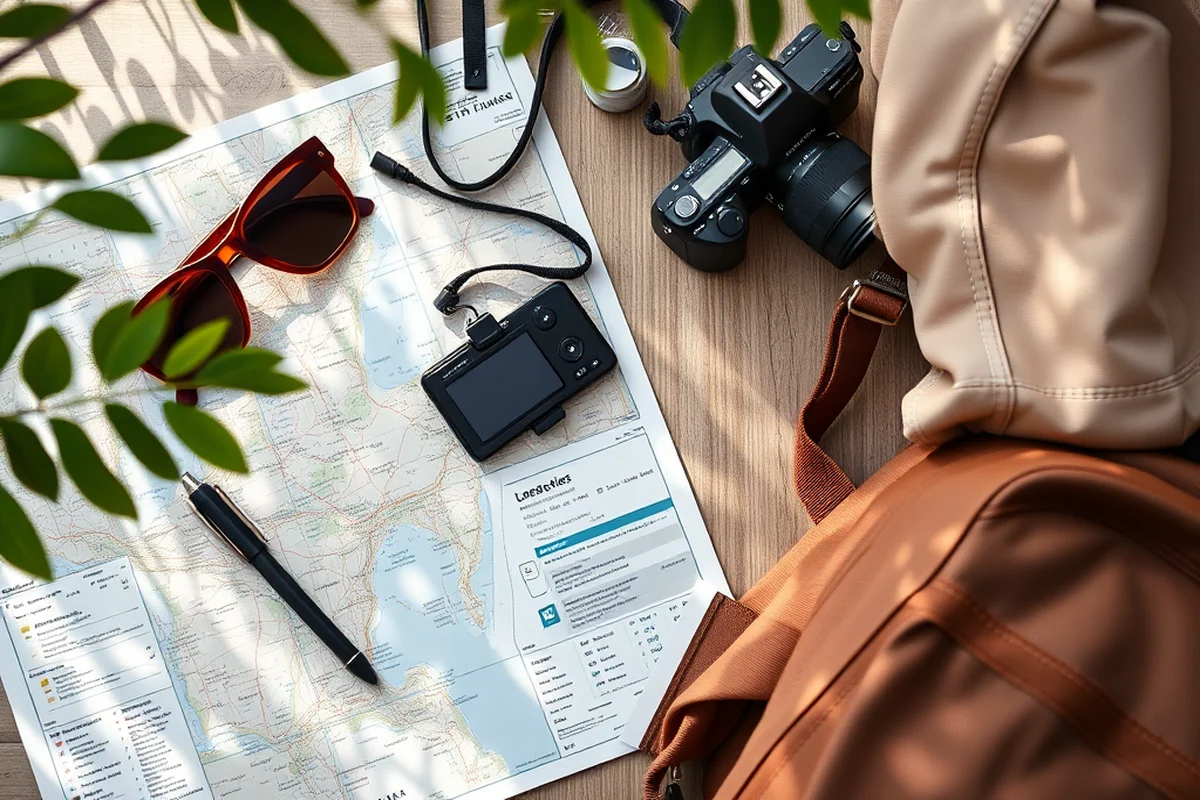
I’ve learned that some cities have more kid-friendly stops than others. For instance, cities with a strong focus on education, like Boston or San Francisco, have a wealth of museums and interactive exhibits that are perfect for families.
Smaller towns can also be great, especially if they have seasonal events or natural attractions. We had an amazing experience in a small town with a seasonal splash pad and a local fair that only opened in the summer.
When choosing a location, also consider the cost of living and the availability of kid-friendly accommodations. I’ve found that cities with a high concentration of family resorts or hotels often offer better deals.
Related: Kid friendly stops timing for beginners
Making the Most of Each Season
Spring is ideal for outdoor activities like visiting farms, botanical gardens, and spring festivals. We visited a local orchard where the kids got to pick fruit and learn about the process of making apple cider.
Summer is all about splash pads, water parks, and outdoor adventures. We’ve had some of our best memories at splash pads and mini water parks, which are often less crowded in the early morning.
Fall is a great time for harvest festivals, pumpkin patches, and seasonal events. We always include a visit to a local farm for pumpkin picking and a hayride, which has become a family tradition.
💰 Budget-Friendly Adventure
A trip focused on free or low-cost kid-friendly stops, like parks, splash pads, and community events.
🚗 Long Weekend Escape
A three-day trip packed with kid-friendly stops and family-friendly accommodations, perfect for short getaways.
👨👩👧👦 With Kids of All Ages
A customizable checklist that works for kids of different ages and interests, ensuring everyone has fun.
❄️ Off-Season Travel
A trip that takes advantage of off-season prices and less crowded kid-friendly stops, like museums and festivals.
🛏️ Luxury Getaway
A high-end trip with kid-friendly stops that also offer luxury amenities, like spa days and private tours.
| The mistake | Why it happens | The fix |
|---|---|---|
| Overloading the itinerary with too many stops | Trying to fit too many kid-friendly stops into a short trip can lead to exhaustion and a lack of enjoyment. | Stick to 3–4 key stops per day and include plenty of rest and downtime for your kids. |
| Ignoring your child’s preferences | Forcing a child to visit a stop they don’t enjoy can ruin the trip for the whole family. | Use the checklist as a starting point, but be flexible and allow for customization based on your child’s interests. |
| Not planning ahead for tickets or access | Some kid-friendly stops require advance reservations or tickets, and without planning, you may miss out. | Always check the requirements for each stop and book tickets or reservations in advance when possible. |
Related: Kid friendly stops seasonal printable
Kid-friendly Stops Seasonal Checklist
Related: Kid friendly stops seasonal step by step
Navigating Crowds and Managing Expectations
During peak travel seasons, popular kid-friendly attractions can become overwhelming with crowds. I’ve learned that arriving early—often before 9 a.m.—can significantly reduce wait times and allow for a more relaxed experience. For instance, at a local zoo, we found that visiting during off-peak hours meant we had the playground to ourselves and could spend quality time with the animals without rushing. It’s also crucial to manage expectations: not every activity will be a hit, and that’s okay. I’ve found that having a backup plan, like a nearby park or museum, helps keep the mood light and ensures there’s always something to do.
When dealing with crowds, I prioritize areas with shorter lines or those that offer indoor alternatives. For example, during the summer, we often visit a science center with interactive exhibits that are less crowded in the afternoon. I’ve also noticed that smaller, less-known venues can provide a more enjoyable experience for kids. One time, we visited a local planetarium instead of the big city museum, and my son was thrilled to have the place nearly to himself. It's all about finding a balance between popular spots and hidden gems that suit your child’s interests.
Managing expectations is equally important. I’ve learned to communicate with my kids before visiting a destination, explaining that some places might be busy or that not every exhibit will be interesting. This preparation helps reduce frustration and keeps the overall experience positive. I also use this time to encourage curiosity and exploration, reminding them that it’s okay to try new things and that the goal is to have fun, not perfection.
Incorporating Educational Experiences Into Travel
One of the best ways to make travel both fun and educational is by incorporating learning experiences into the itinerary. I’ve found that museums, science centers, and historical sites offer hands-on activities that make learning tangible for kids. For example, during a trip to a local history museum, my daughter was fascinated by the interactive timeline that let her touch and feel replicas of artifacts from different eras. I’ve learned that combining sightseeing with educational elements helps kids retain information and stay engaged for longer periods.
I also make a point to research kid-friendly destinations with educational value before traveling. For instance, we once visited a marine biology center where kids could interact with sharks and sea turtles, and the experience was both thrilling and informative. I’ve noticed that many such places offer workshops or guided tours tailored to children, making the learning process more immersive. These experiences not only entertain but also spark curiosity and a love for discovery.
To ensure that educational experiences are not overwhelming, I balance them with time for play and rest. After a long day at a museum, I often take the kids to a nearby park to burn off energy. This approach keeps the learning process enjoyable and prevents burnout. I’ve also found that connecting educational activities to what my kids are studying in school makes the experience even more meaningful. For example, if they’re learning about dinosaurs, a visit to a paleontology exhibit becomes a real-life extension of their classroom lessons.
Common Questions
How do I know which kid-friendly stops are best for my child's age?
Can I use this checklist for international travel?
What if my child is not interested in any of the suggested stops?
How do I handle unexpected changes in the weather?
References
- Survival Basics: Emergency Kits - OSU Extension Service (extension.oregonstate.edu)
- Essential Home Maintenance | KSRE Bookstore (bookstore.ksre.ksu.edu)
- Transportation Safety Checklist | U.S. Department of Labor (dol.gov)
Cite this guide
Roadsidekids (2026). Kid-friendly Stops Seasonal Checklist. https://roadsidekids.com/kid-friendly-stops-seasonal-checklist/
Feel free to cite or share this guide.