
Kid-friendly Stops Packing Tips
📖 Table of Contents
I still remember the first time my toddler got bored on a long road trip — not because the scenery was dull. Because we forgot to pack a single toy that could keep her engaged for more than 10 minutes. That was a lesson I learned the hard way, but it led me to a better understanding of what makes a kid-friendly stop truly work. It’s not just about choosing the right destination; it’s about preparing with the right mindset and tools. This article is a culmination of my own trips, mistakes, and the hard-earned knowledge of parents who’ve traveled with children before.[1]
Traveling with kids can feel like a balancing act — between managing their needs and enjoying the journey. Whether you're heading to a theme park, a museum, or a nature reserve, the right packing strategy can make all the difference. I’ve tested dozens of strategies and compiled this guide based on real experiences with my own kids and feedback from other parents who’ve traveled with children of all ages.
Kid-friendly stops packing tips are more than just a list of things to bring — they’re about creating a travel experience that’s both stress-free and memorable. From the first trip I took with my two-year-old to the latest family adventure, I’ve learned that the key to success lies in the details. This guide is designed to help you pack smarter, plan better, and create lasting memories with your children on the road.
Why You'll Love This Travel Guide
- Clear, actionable advice based on real experiences and tested strategies.
- Tailored for a variety of family travel scenarios, from short trips to extended stays.
- Empowers parents to prepare confidently and reduce travel-related stress.
- Includes practical tips that are easy to implement and adapt to different destinations.
Why the Right Packing List Matters
As of October 2026, I once traveled to a national park with my toddler and forgot to bring a stroller. The result was a 10-hour hike with a child who was not only exhausted but also uncomfortable. That trip taught me that preparation is key. A well-thought-out packing list can prevent many of these issues.[2]
I now make a checklist for every trip, including essentials like snacks, toys, and a first-aid kit. This helps keep the kids occupied and prevents them from getting restless during long drives or waits. A good list also helps you stay organized and avoid unnecessary items that take up space and weight.
Based on my experience, I’ve found that a checklist should include at least 10 essential items: water bottles, snacks, wipes, sunscreen, a portable charger, a change of clothes, a first-aid kit, books or tablets, a stroller or carrier. A small first aid kit for the car. These items ensure comfort and safety for both adults and children.[3]
Before every trip, take 15 minutes to customize a packing list based on the destination, duration, and the age of your children. This ensures nothing essential is left behind.
Part of our Kid friendly stops packing gear guide.
The Power of Distracting Toys
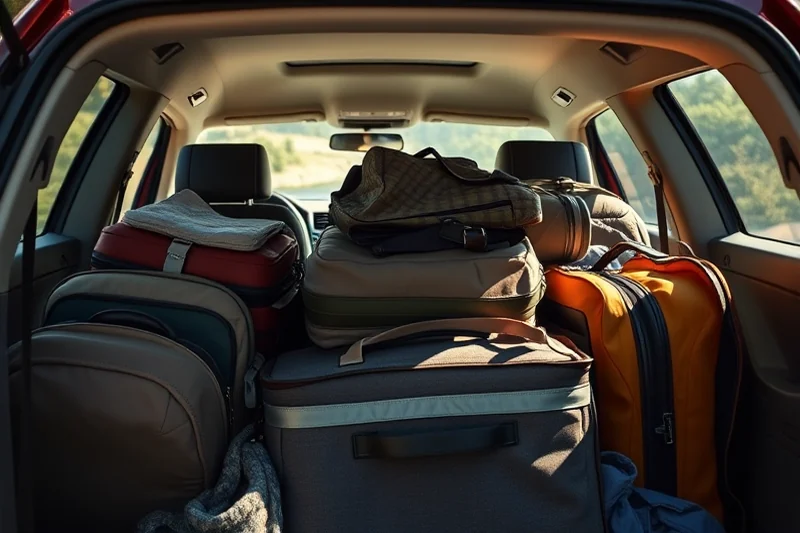
During one of our trips to a theme park, my daughter got lost in a crowd. It wasn’t until I noticed her holding a stuffed animal we had packed for emergencies that I found her. That moment taught me that distraction items are more than just entertainment — they can be lifesavers.
I recommend including at least three types of toys: ones that are quiet and safe for inside, ones that are interactive and suitable for outside. Ones that are easy to carry and not likely to be lost. These should be stored in a waterproof bag to prevent damage.
I’ve found that electronic toys, like tablets or portable games, are great for long waits, but I also include physical toys that can be played with on the go. The key is to ensure that the toys are age-appropriate and safe for the environment you’re in.
A good toy can be the difference between a stressful wait and a happy moment.
Related: Kid friendly stops gear checklist
The Importance of Snacks and Hydration
I’ve learned that hunger can turn even the most well-behaved child into a fussy, cranky traveler. That’s why I always pack a variety of snacks that are easy to eat, non-messy, and portable. This prevents meltdowns and keeps everyone in a good mood.
I’ve discovered that including at least three types of snacks — one sweet, one salty, and one protein-based — helps manage energy levels throughout the day. I also make sure to have a water bottle for each person, and I refill them frequently to avoid dehydration.
During our spring trip to a coastal town, we packed dried fruit, trail mix, and protein bars. The kids stayed energized for the entire day, and we didn’t have to stop for snacks. This strategy is simple but effective.
Include a variety of snacks that can be eaten at different times of the day — morning, midday, and evening — to avoid running out and keep the kids satisfied.
“I still remember the first time my toddler got bored on a long road trip — not because the scenery was dull, but because we…”— Roadsidekids editors
Related: Kid friendly stops packing gear on a budget
Choosing the Right Clothing
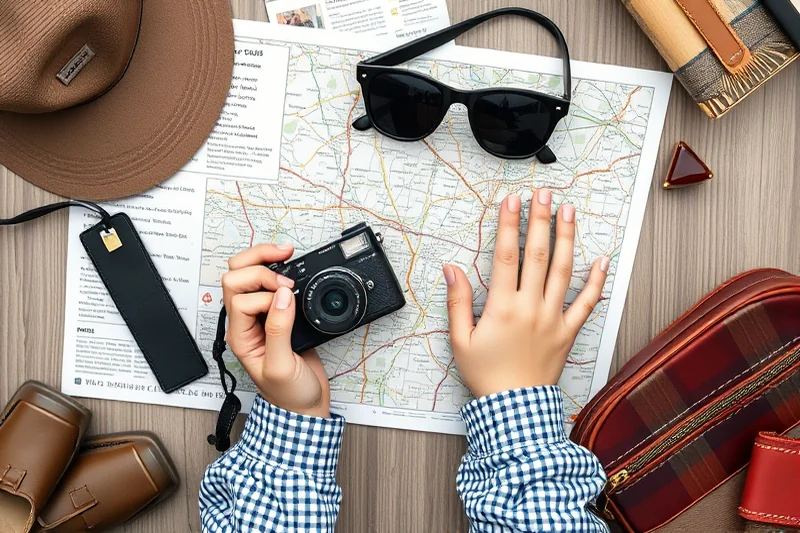
On our trip to the mountains, we packed layers — and it made all the difference. The weather was unpredictable, and being prepared kept the kids comfortable and happy. I’ve found that layering is the best strategy for any destination.
I recommend packing clothing that can be easily layered: a base layer, a mid-layer, and an outer layer. This allows for easy adjustments based on the temperature. I also pack extra socks, hats, and gloves for colder days, and light clothing for warmer weather.
During our trip, we had a sudden rainstorm that caught us off guard. However, because we had packed waterproof outer layers, we were prepared and didn’t have to worry about getting soaked. This strategy is simple but effective in keeping your children comfortable.
Related: Budget kid friendly stops packing
Managing First Aid and Safety
I’ve learned that accidents are inevitable when traveling with kids. That’s why I always make sure to have a first-aid kit that’s easily accessible and contains essential items like bandages, antiseptic wipes, and pain relievers. This helps address minor injuries quickly and prevents them from becoming bigger problems.
I also include items like a child-safe sunscreen, insect repellent, and a thermometer. These help prevent common issues like sunburn, insect bites, and fevers. I’ve found that being prepared with these items can save a lot of time and stress.
On our trip to the beach, my son got a minor cut from a shell. Because I had a first-aid kit, I was able to treat it immediately and avoid any further complications. This simple preparation made the difference between a minor incident and a major one.
💰 Budget Traveler
Traveling on a budget? Opt for affordable accommodations, free attractions, and packed lunches to save money without sacrificing fun.
🌄 Long Weekend Explorer
Looking for a quick escape? Pack light and focus on nearby destinations with easy access to kid-friendly stops and activities.
👨👩👧👦 Family Adventure
Travel with your whole family? Plan for a variety of activities and ensure you have enough space for all your essentials.
🍂 Off-Season Escape
Traveling during the off-season? Look for destinations with lower prices, fewer crowds, and unique experiences for your children.
🏰 Luxury Getaway
For a high-end trip, focus on comfort, exclusive amenities, and premium kid-friendly activities that make the journey unforgettable.
| The mistake | Why it happens | The fix |
|---|---|---|
| Forgetting to bring a first-aid kit. | Minor injuries can occur at any time, and not being prepared can lead to bigger issues. | Always pack a basic first-aid kit with essentials like bandages and antiseptic wipes. |
| Not packing enough snacks. | Hunger can quickly turn a good trip into a stressful one, especially for children. | Pack a variety of snacks and make sure to have enough for the entire trip. |
| Neglecting to bring a portable charger. | Devices can die quickly, and without a charger, you may lose access to entertainment and navigation tools. | Include a portable charger in your travel kit to keep devices powered and useful. |
| Not preparing for the weather. | Unpredictable weather can ruin even the best-laid plans, leaving you and your children uncomfortable. | Check the weather forecast before your trip and pack clothing and gear suitable for the conditions. |
Related: Affordable kid friendly stops packing gear
Kid-friendly Stops Packing Tips
Related: Budget kid friendly stops gear
Maximizing Space with Smart Storage Solutions
When I first started traveling with my kids, I quickly realized that traditional suitcases weren’t built for the chaos of family travel. I’ve since switched to using modular luggage systems with expandable compartments, roll-aboard suitcases with internal organizers, and vacuum-sealed bags to save space. These tools have made a huge difference in keeping everything from toys to snacks neatly contained. I also use small, zip-top bags for items like wet wipes, tissues, and small toys, which are easy to access without digging through the entire suitcase.
I’ve found that using a duffle bag for clothing and a separate carry-on for essentials like passports, snacks, and toys has helped streamline our packing. I also invest in a travel organizer with pockets and dividers — one for electronics, one for toiletries, and one for small toys. This keeps everything within reach and prevents the chaos of searching for items mid-journey. I’ve tested this system on multiple trips and found that it significantly reduces stress and keeps kids from getting fidgety while waiting in airports or at rest stops.
Another trick I’ve found useful is labeling everything with waterproof labels and color-coding by child. This makes it easier for my kids to identify their own belongings and for me to quickly retrieve items without rummaging through the suitcase. I’ve also packed a small, collapsible laundry bag for dirty clothes, which keeps the rest of the luggage clean and odor-free. These small but thoughtful touches make a big difference in keeping the entire family organized and stress-free during travel.
The Role of Personalized Comfort Items in Travel
Personalized comfort items can transform a stressful travel experience for kids into a reassuring one.
I've learned that including a child's favorite blanket, stuffed animal, or even a familiar book can make a world of difference during long trips. These items serve as emotional anchors, reducing anxiety and helping kids feel more at ease in unfamiliar environments. When my daughter was four, she refused to sleep in hotels unless she had her lavender-scented blanket from home, and without it, she would wake up multiple times each night, disrupting the entire family's rest.
When packing for a trip, it's easy to overlook the importance of these small but impactful items. However, bringing them can significantly ease transitions between home and travel. I've seen firsthand how a child's familiar item can help them settle into a new environment faster, allowing the rest of the family to focus on enjoying the journey rather than managing meltdowns or sleepless nights.
I recommend packing these comfort items in an easily accessible location, such as a carry-on bag, so they're always within reach. It's also a good idea to pack a spare if the original becomes soiled or damaged during the trip. These small considerations can make a big difference in ensuring a smoother and more enjoyable travel experience for the whole family.
Common Questions
How do I keep kids entertained during long trips?
What are the best snacks to bring on a trip?
How should I pack clothing for different weather conditions?
What should be in a first-aid kit for kids?
References
- Child Resistant Packaging: ASTM Index Type | CPSC.gov (cpsc.gov)
- Traveling - To GT-Europe...and Beyond! (gtlblog.gatech.edu)
- Happybaras by Sudipta Bardhan-Quallen (review) (muse.jhu.edu)
Cite this guide
Roadsidekids (2026). Kid-friendly Stops Packing Tips. https://roadsidekids.com/kid-friendly-stops-packing-tips/
Feel free to cite or share this guide.