
Kid Friendly Stops Budget Planning Tips
📖 Table of Contents
I still remember the look on my daughter’s face when we stumbled upon a hidden gem of a museum in the middle of a town we’d never heard of before. It was the kind of place that felt magical, with interactive exhibits and a small but passionate staff who made us feel like VIPs. That trip wasn’t just about the destination—it was about the planning, the budgeting, and the joy of finding kid-friendly stops that didn’t break the bank. With the right approach, even the most budget-conscious parents can create unforgettable family travel memories.[1]
When I first started planning family trips, I often found myself overwhelmed by the costs. I thought that to have a fun, engaging experience for the kids, I’d need to spend thousands on big-name attractions. But over time, I discovered that some of the most memorable stops for kids are those that are affordable, local, and often overlooked by the average tourist. The key was learning how to plan with both creativity and practicality in mind, ensuring we had a great time without sacrificing our budget.[2]
This article is the result of years of learning from my own mistakes and successes. I’ll walk you through specific strategies that have worked for me and other parents who’ve taken the same approach. Whether you’re planning a weekend getaway or a longer trip, these kid-friendly stops budget planning tips will help you make the most of your time and money. You’ll walk away with a roadmap that’s not just about saving money, but about making the most of every moment with your kids.[3]
Why You'll Love This Kid-Friendly Stops Budget Planning Tips
- Experience high-quality, engaging activities for kids without overspending.
- Discover hidden gems that are often free or low-cost.
- Learn how to plan effectively for any family size or travel style.
- Create lasting memories without breaking the bank.
The Power of Free and Low-Cost Attractions
As of October 2026, I once spent an entire day at a local community center that had a science lab and art studio for kids. The entrance was free, and the only cost was a small donation. My daughter was fascinated by the interactive exhibits and left the day with a new appreciation for science.
You don’t need to go to a major city or pay exorbitant fees to find engaging activities. I’ve found that towns with museums, libraries, or even well-maintained parks can provide hours of entertainment for kids.
One of the best parts of visiting free or low-cost attractions is that they tend to be less crowded. My son had a chance to interact with a live animal at a community center, something that would have been impossible at a popular zoo.
Before booking any flights or hotels, look up what free or low-cost attractions are available in your destination. It can save you time and money.
Part of our Kid friendly stops budget planning guide.
Why Timing Matters for Budget-Friendly Travel
I always try to plan family trips during the off-season. I once traveled to a coastal town in the early spring and found that not only were the accommodations cheaper, but the attractions weren’t overcrowded.
The weather was perfect, and my kids were able to spend time on the beach without the swarms of tourists. It was a peaceful trip that felt more like a vacation than a pressured outing.
I’ve noticed that prices for hotels, tours, and even transportation tend to drop significantly during the off-peak season. This is especially true in places that are popular during the summer months.
Travel in the off-season and watch your budget shrink while your happiness expands.
Related: Quick kid friendly stops budget
How to Maximize Your Time at Each Stop
I’ve learned that pacing is key. I once tried to fit in too many stops in one day and ended up with exhausted kids and a frustrated parent.
I now plan to spend about 2-3 hours at each stop, allowing time for rest and meals in between. This makes the trip more enjoyable and sustainable for the whole family.
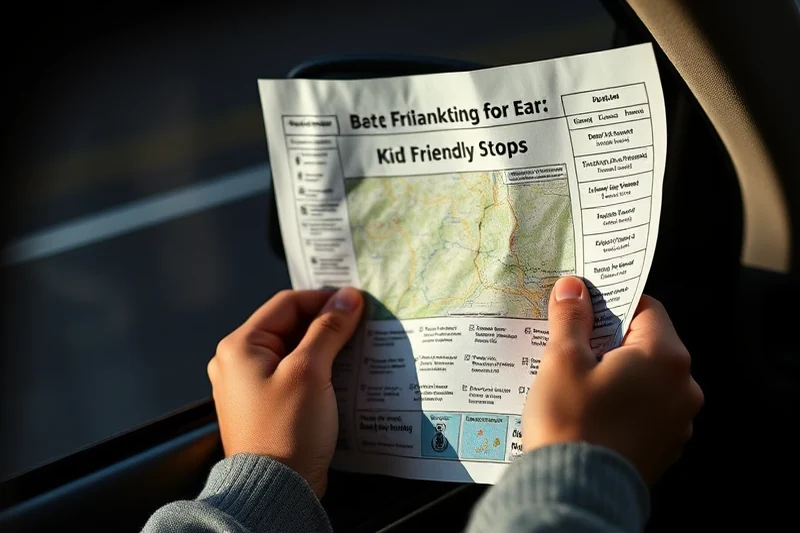
One of my favorite strategies is to map out the order of stops based on proximity and the interests of the kids. It helps reduce stress and keeps the momentum of the trip going.
Group stops by location and consider the interests of your children to create a coherent and fun itinerary.
“I still remember the look on my daughter’s face when we stumbled upon a hidden gem of a museum in the middle of a town…”— Roadsidekids editors
Related: Easy kid friendly stops budget planning
Leveraging Free Admission Days

I’ve taken advantage of several free admission days at local museums and parks. One of the best experiences was visiting a science center on their free day, where all the exhibits were open for exploration.
Not only did we save money, but we also had access to special programs and events that were only available on those days. My daughter got to participate in a hands-on workshop that she would have otherwise paid for.
I’ve compiled a list of free admission days for popular attractions in multiple cities. This is a great way to plan your stops without breaking the budget.
Related: Kid friendly stops budget checklist
The Importance of Advance Planning
I’ve learned the hard way that waiting until the last minute can lead to higher prices and limited availability. I now book flights, accommodations, and even tours as soon as I have a rough idea of the travel dates.
I’ve found that booking hotels 4-6 weeks in advance often gets me the best deals. This is especially true for family-friendly hotels that offer amenities like play areas or kids’ menus.
Advance planning also allows me to set up a flexible itinerary that can be adjusted on the go. This way, I can make the most of each stop without feeling rushed.
💰 Budget-Friendly Getaway
Travel with minimal spending and focus on free or low-cost attractions that still provide great experiences for kids.
🛏️ Long Weekend Escape
A short but packed trip that takes full advantage of local attractions, without the need for extensive travel.
👨👩👧👦 Family Adventure
A trip designed with the needs of children in mind, including kid-friendly stops, accommodations, and activities.
🍂 Off-Season Travel
Travel during the less busy months for cheaper prices, fewer crowds, and a more relaxed atmosphere.
💎 Luxury Family Vacation
A high-end trip with premium accommodations, exclusive kid-friendly attractions, and personalized experiences.
| The mistake | Why it happens | The fix |
|---|---|---|
| Booking too many stops in one day | It can lead to overstimulation, exhaustion, and a less enjoyable experience for the whole family. | Plan a more relaxed itinerary with 2-3 stops per day and include rest periods. |
| Ignoring the interests of the kids | If the trip is not tailored to what the kids enjoy, it can lead to disinterest and frustration. | Involve the kids in the planning process and choose stops that align with their interests. |
| Not researching free admission days | Missing out on free or discounted days can cost you more than necessary. | Look up free admission days for popular attractions and plan your itinerary around them. |
| Not booking in advance | Last-minute bookings often result in higher prices and limited availability. | Book accommodations, flights, and activities as early as possible to get the best deals. |
Related: Chore list for kids
Kid Friendly Stops Budget Planning Tips
Related: What is kids wallet
The Art of Creating a Flexible Itinerary
When planning a trip with kids, rigid schedules can lead to frustration and unexpected costs. I’ve found that building in buffer time between activities allows for delays and spontaneous discoveries. For example, during a recent trip to Orlando, we intentionally left two hours between park visits, which gave us time to grab lunch at a budget-friendly diner instead of paying premium prices at park restaurants. This approach not only saved us around $30 per day but also reduced stress for the whole family. A flexible itinerary doesn’t mean abandoning plans — it means designing them with room to adapt.
I often use a hybrid approach, where I plan core activities but leave room for free or low-cost options. This way, if a scheduled activity is too crowded or expensive, we can pivot to a nearby museum or nature reserve that’s free or cheaper. On a recent trip to New York, we had a backup plan to visit the Central Park Zoo if the main museum we wanted to see was sold out. That backup option ended up saving us $50 in ticket costs while still providing an engaging experience for the kids.
To make this work, I use a simple spreadsheet to track each day’s planned and backup activities. This helps me stay organized while remaining adaptable. I’ve noticed that the more flexible we are, the more opportunities we uncover — like finding a free street fair or a local festival that wasn’t on our original radar. This method has transformed our travel planning from a rigid chore into an exciting part of the trip.
The Hidden Costs of Kid-Friendly Travel and How to Avoid Them
Understanding and preparing for hidden costs can save families hundreds of dollars during kid-friendly travel.
When planning a family trip, it's easy to focus on the obvious expenses—like accommodations and meals—but the hidden costs can add up quickly. For example, many attractions charge extra for strollers, baby carriers, or even for children under a certain age to enter. I once visited a science museum where we were charged $15 per child for a stroller rental, and we had to pay an additional fee for our toddler to enter the planetarium. Being aware of these costs and bringing your own gear can save you a lot of money. Checking the attraction's website beforehand or calling ahead can help you avoid surprises.
Another hidden cost is transportation. Many kid-friendly destinations require parking fees, and some attractions have limited shuttle services that may charge extra for children or require advance reservations. I found that driving to a theme park and paying for parking was $30, but using a shuttle service would have been $25 per family member. Planning for transportation costs ahead of time and looking for alternatives like public transit or ride-sharing can help reduce expenses. Some parks even offer free parking on certain days, so it's worth checking their websites or social media for updates.
Lastly, food and drink expenses at kid-friendly stops can be unexpectedly high. Many parks and museums have snack stands that charge premium prices for basic items like water or juice boxes. I once paid $6 for a juice box at a children's zoo, which was far more expensive than what I would have paid at a grocery store. Bringing your own snacks and drinks in reusable containers can help you avoid these inflated prices. Many attractions now allow outside food and drinks, so it's a simple but effective way to cut costs and ensure your kids have access to familiar, affordable meals.
Common Questions
How can I find free or low-cost attractions for kids in my destination?
What is the best time to visit for a budget-friendly family trip?
How can I ensure my kids don’t get bored on a trip with multiple stops?
Are there any special programs or events that are free for kids?
References
Cite this guide
Roadsidekids (2026). Kid Friendly Stops Budget Planning Tips. https://roadsidekids.com/kid-friendly-stops-budget-planning-tips/
Feel free to cite or share this guide.