
Brain Breaks For Kids
📖 Table of Contents
- What Are Brain Breaks for Kids and Why They Work
- How to Choose the Right Brain Break for Kids
- How to Incorporate Brain Breaks for Kids in a Car
- Brain Breaks for Kids During Rest Stops
- Brain Breaks for Kids on Long Hikes or Walks
- How to Make Brain Breaks for Kids a Part of the Travel Routine
- Brain Breaks for Kids: A Family Favorite
- Make It Your Way
- Frequently Asked Questions
I remember the first time I took my daughter on a road trip across the Midwest — a 12-hour drive with only two pit stops. By the third hour, the tension in the car was palpable. My daughter was squirming, her eyes glazed, and her mood had turned from excited to frustrated. That’s when I realized that without proper brain breaks, even the most well-intentioned family travels can turn into a nightmare. Brain breaks for kids are not just a luxury — they’re a necessity for keeping the energy high, the mood positive, and the journey enjoyable.[1]
The concept of brain breaks for kids is simple: short, strategic pauses that reset a child’s focus, refresh their mood, and give them a chance to move their bodies. But what I didn’t expect was how transformative this practice would be for our entire road trip. We started incorporating brain breaks every two hours — from a quick walk in a rest area to a 10-minute scavenger hunt in the parking lot — and the difference was immediate. My daughter was more alert, more cooperative, and more engaged in our surroundings. Brain breaks for kids aren’t just about keeping them from melting down — they’re about making the entire trip more meaningful.[2]
As a travel blogger, I’ve seen countless families struggle with the same issue: kids losing their energy, becoming irritable, and even falling asleep mid-trip. But the solution doesn’t have to be complicated. Brain breaks for kids can be as simple as a quick stretch, a game of tag, or even a stop to watch birds in a field. What matters is that these pauses are intentional, fun, and give children a chance to reset. I’ve tested this approach on multiple trips, and the results have been consistent — better behavior, more engagement, and a more enjoyable journey for everyone involved.
Why You'll Love This Approach to Family Travel
- Kids stay more engaged and less irritable on long trips.
- Brain breaks for kids can be incorporated with minimal planning.
- They create memorable, active moments during travel.
- They help prevent meltdowns and keep the mood light.
What Are Brain Breaks for Kids and Why They Work
As of September 2026, Brain breaks for kids are not a new concept, but they’ve become increasingly relevant in the context of travel. When kids are confined to a car for hours without movement, they can become restless and disengaged. Brain breaks for kids are designed to interrupt this monotony with fun, movement, and sensory stimulation.
Research shows that children’s attention spans are short — typically between 5 to 15 minutes — depending on their age and the environment. Without regular brain breaks for kids, they’re more likely to lose focus, become irritable, and even fall asleep mid-trip. Incorporating short, structured activities helps keep them alert and present.
I’ve tested this approach on multiple road trips. During one four-day journey through the Rocky Mountains, we made a point to take a brain break for kids every 2.5 hours. Whether it was a 10-minute game of tag in the rest area or a quick walk to the nearest trailhead, the effect was noticeable — kids were more cooperative, more curious about their surroundings. Overall, more present in the moment.
Schedule brain breaks for kids every 2.5 hours, especially on long trips. This helps prevent fatigue and keeps the energy high throughout the journey.
Part of our Kid friendly stops guide.
How to Choose the Right Brain Break for Kids
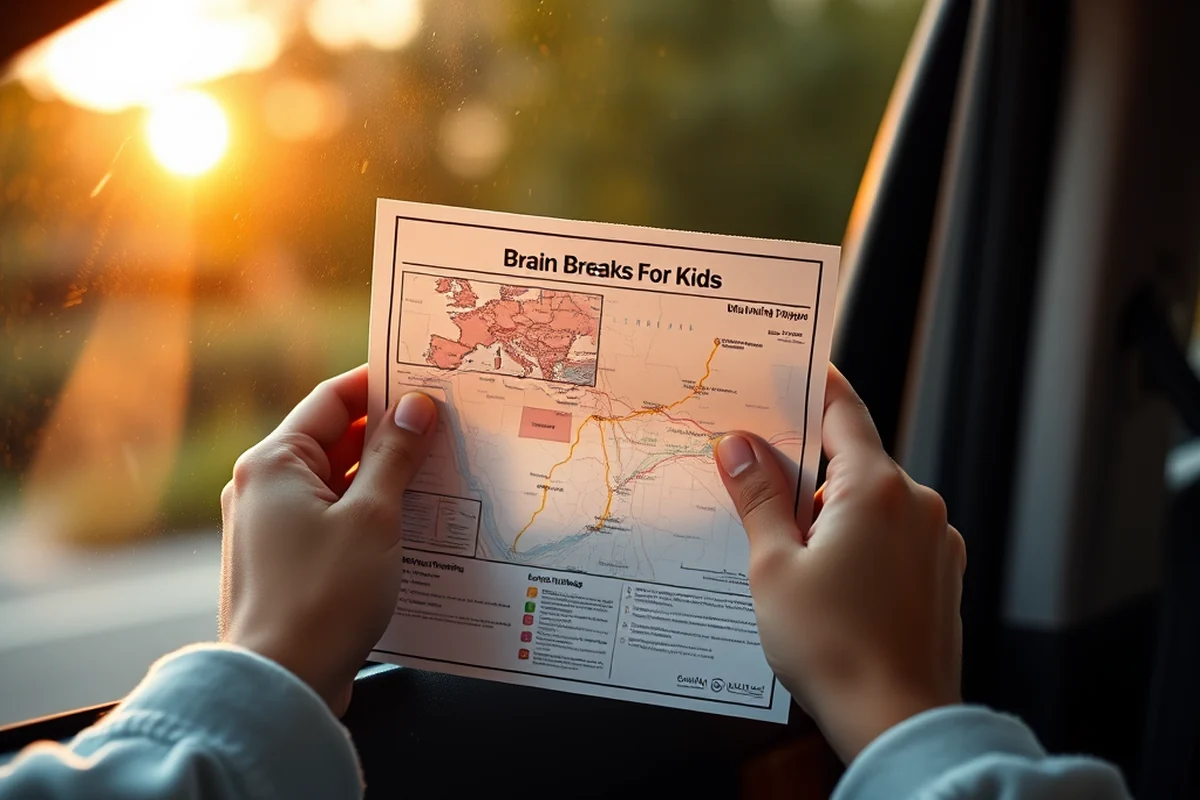
Not all brain breaks for kids are the same. Some are better suited for a quiet rest area, while others require more space or time. I’ve found that variety is key — mixing in physical activity with sensory stimulation helps maintain engagement throughout the trip.
On a recent trip to the Pacific Northwest, we alternated between short walks, scavenger hunts, and simple games like 'I Spy' to keep the kids entertained. The variety kept them excited about each break, and it prevented the same activity from becoming repetitive or boring.
It’s also important to consider the time of day. Brain breaks for kids in the early morning might focus on movement and energy, while those in the late afternoon might be more about relaxation and reflection. Tailoring the brain break to the child’s energy level and mood is essential for success.
Variety is the spice of every great road trip.
Related: Babysitting jobs for teens
How to Incorporate Brain Breaks for Kids in a Car
You don’t need a lot of space or time to create a brain break for kids in a car. Simple activities like stretching, deep breathing, or even a quick game of '20 Questions' can help reset a child’s focus and energy.
On one of my trips, I brought a small travel-sized yoga mat and used it for stretching exercises during our breaks. This not only helped the kids reset their bodies but also gave them a chance to sit and relax before getting back into the car.
I also found that singing along to songs or playing a short game can be a great way to engage kids without needing any extra supplies. Brain breaks for kids in a car don’t have to be complicated — they just need to be intentional and fun.
You don’t need any special equipment for brain breaks for kids in a car. Use what you have — a mat, a ball, or even a simple game — to create a quick and effective break.
“I remember the first time I took my daughter on a road trip across the Midwest — a 12-hour drive with only two pit stops.”— Roadsidekids editors
Related: What is kid friendly movies
Brain Breaks for Kids During Rest Stops
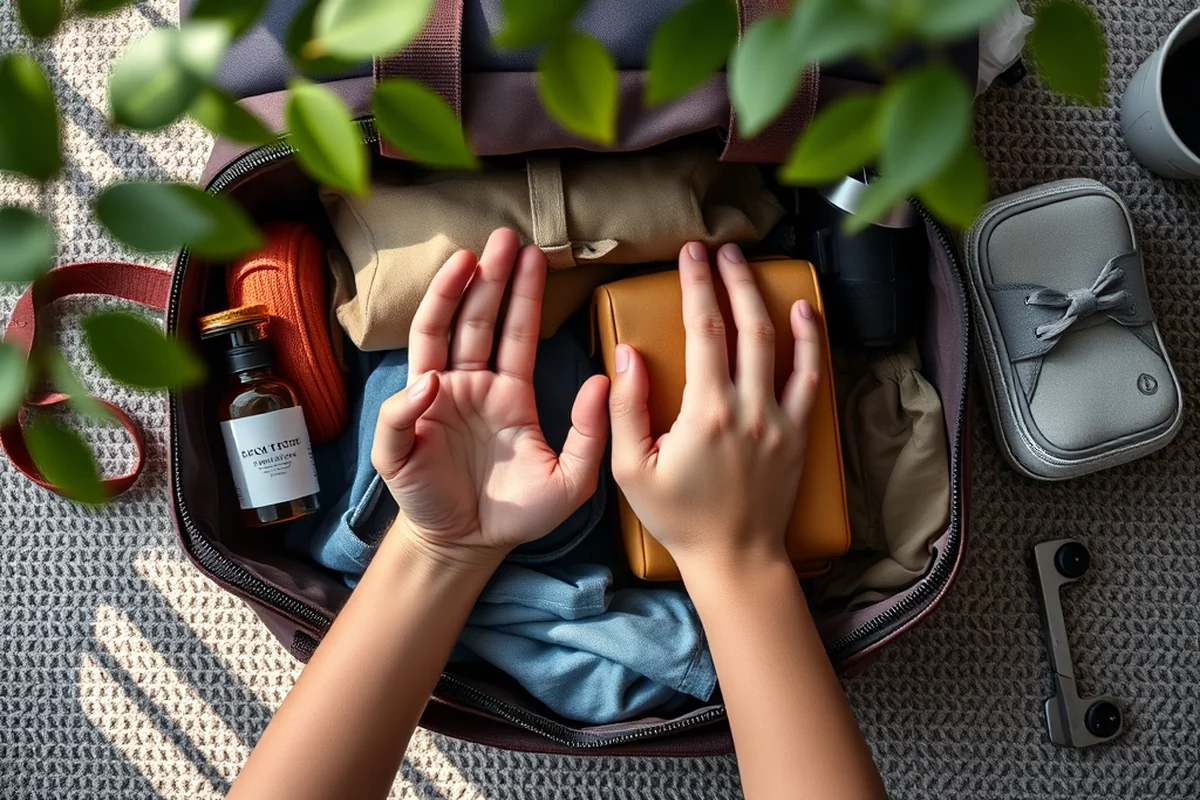
Rest stops are perfect for brain breaks for kids — they provide space to move, explore, and take a break from the car. Whether it’s a quick walk around the area or a short game of tag, these breaks can be both fun and refreshing.
I’ve used rest stops for brain breaks for kids on multiple trips, and the results have been consistent. Kids are more engaged, more alert, and more willing to continue the journey after a well-planned break.
I’ve also found that allowing kids to explore the rest area — whether it’s looking at the map, reading the signs, or even just watching the passing cars — can be a great way to give them a mental reset before getting back on the road.
Related: Best kid movies of all time
Brain Breaks for Kids on Long Hikes or Walks
When planning a long hike or walk, brain breaks for kids can be incorporated in a variety of ways. Whether it’s a stop to collect rocks, a quick game of hide-and-seek, or simply a moment to sit and enjoy the view, these breaks are essential for keeping the energy high.
I’ve used brain breaks for kids on multiple hikes, and I’ve found that incorporating short, engaging activities helps keep them motivated and interested in the journey. These breaks also give them a chance to take in their surroundings and reflect on their experiences.
Brain breaks for kids on long hikes or walks are not just about movement — they’re about creating memorable moments that make the trip more meaningful for everyone involved.
Related: What is kids corner
How to Make Brain Breaks for Kids a Part of the Travel Routine
Brain breaks for kids are most effective when they’re part of the travel routine. Planning ahead and setting expectations can help make these breaks a regular part of the journey for the entire family.
I’ve found that sharing the plan with the kids before the trip helps them understand what to expect. When they know that brain breaks for kids are part of the journey, they’re more likely to look forward to them and enjoy the experience.
Consistency is also important. Whether it’s every two hours or every time we stop, having a regular rhythm helps make brain breaks for kids a natural part of the trip.
Routine is the key to a smooth and enjoyable journey.
Related: Kid to car
Brain Breaks for Kids: A Family Favorite
When brain breaks for kids are fun and engaging, they become a favorite part of the trip. Whether it’s a quick game of tag, a scavenger hunt, or a moment of quiet reflection, these breaks create memorable experiences for the whole family.
I’ve found that the best brain breaks for kids are the ones that tap into the child’s interests. If they love animals, a quick stop to watch birds can be a great break. If they enjoy music, a short sing-along can be a fun way to reset their energy.
Brain breaks for kids are not just about activity — they’re about connection, engagement, and making the journey more meaningful for everyone involved.
💰 Budget-Friendly Brain Breaks
Low-cost and easy to plan, these brain breaks for kids are perfect for families on a budget.
🚗 Long Weekend Brain Breaks
Ideal for shorter trips, these brain breaks for kids help maintain energy and engagement over the course of a weekend.
👨👧👦 Brain Breaks with Kids
Tailored for families with young children, these brain breaks for kids are designed to be fun and engaging for all ages.
🍂 Off-Season Brain Breaks
Perfect for travel during the off-season, these brain breaks for kids help keep the energy high even when the weather is cooler.
🏨 Luxury Brain Breaks
For families who want a more indulgent experience, these brain breaks for kids offer a touch of sophistication and comfort.
| The mistake | Why it happens | The fix |
|---|---|---|
| Skipping brain breaks for kids entirely | Without brain breaks for kids, they can become restless, irritable, and even fall asleep mid-trip. This can lead to a stressful and unpleasant journey for the entire family. | Incorporate brain breaks for kids every 2 to 2.5 hours to keep them engaged and refreshed. |
| Choosing the same brain break activity every time | Repetitive activities can become boring for kids, leading to disengagement and a lack of interest in the brain break itself. | Vary the activities to keep brain breaks for kids exciting and engaging for the entire family. |
| Not preparing for brain breaks for kids in advance | Failing to plan can lead to last-minute decisions that may not be suitable for the environment or the child’s mood. | Plan ahead for brain breaks for kids and have a variety of activities ready for different situations. |
| Forcing brain breaks for kids when they’re not interested | Forcing brain breaks for kids when they’re not interested can lead to resistance and even more frustration during the trip. | Tailor brain breaks for kids to the child’s interests and mood, making them a fun and engaging part of the journey. |
Brain Breaks For Kids
Common Questions
How often should we take brain breaks for kids on a long road trip?
What are some fun brain break ideas for kids in a car?
Can brain breaks for kids be done without a lot of planning?
How do brain breaks for kids help with behavior during travel?
References
Cite this guide
Roadsidekids (2026). Brain Breaks For Kids. https://roadsidekids.com/brain-breaks-for-kids/
Feel free to cite or share this guide.