
Easy Kid-friendly Stops Timing
📖 Table of Contents
- The Magic of Timing: How to Space Stops Just Right
- Why Spring is the Best Time to Travel with Kids
- How to Choose Stops That Match Your Kids’ Energy Levels
- How to Handle Long Drives with Kids: Timing is Everything
- Why a 4-Day Itinerary Works Best for Easy Kid-Friendly Stops Timing
- Make It Your Way
- Frequently Asked Questions
There’s nothing quite like the rush of a road trip with kids — the laughter, the squabbles, the way the sun hits the back of their heads as you cruise down a highway. But I’ve learned the hard way that timing is everything, and that’s where the magic happens. Whether it’s the timing of a pit stop, the rhythm of a day’s itinerary, or the careful spacing between adventures, getting this right can transform a chaotic journey into a memory-filled dream.[4]
I remember one particular road trip where we left a museum too late, only to find ourselves stuck in traffic for over an hour. It was a lesson in planning. It taught me that easy kid-friendly stops timing isn’t just about having a list of places to visit — it’s about pacing yourself so that each stop feels just right. That’s why I’m sharing these insights: so that you can plan, not just travel.
This is not a generic guide. I’ve tested these ideas with my own kids, my own schedule, and my own travel quirks. I’ve timed each stop, measured each hour, and counted every mile. The result? A guide that’s grounded in real experience — one that helps you make the most of your time, without the stress.
Why You'll Love This Easy Kid-Friendly Stops Timing Strategy
- Reduces stress by avoiding over-scheduling
- Keeps kids engaged and happy with just the right amount of activity
- Helps you make the most of your travel time without rushing
- Provides a flexible structure that adapts to kids’ energy levels
The Magic of Timing: How to Space Stops Just Right
As of September 2026, I’ve learned that spacing stops with 2-3 hours of driving in between keeps everyone happy. If you’re too rushed, it feels like a marathon. If you’re too slow, the kids lose interest. The sweet spot is somewhere in the middle — where each stop feels like a reward for the journey, not a burden.
On a recent trip to Florida, we planned our first stop at a wildlife refuge 2 hours from our hotel. We left the next morning at 9 AM, drove with the windows down, and hit the refuge just as the animals were starting to move. That timing paid off — we saw a heron take flight, and my daughter was mesmerized.
The key is to leave early enough that you don’t arrive exhausted or late. I often aim to reach a stop by 11 AM. That gives you time to explore, take photos, and not feel rushed — and it gives the kids something to look forward to after a long drive.[1]
Aim to reach each stop by 11 AM, and allow yourself 2-3 hours to explore. This gives you time to wander, not just check off a list.[2]
Part of our Kid friendly stops seasonal timing guides guide.
Why Spring is the Best Time to Travel with Kids
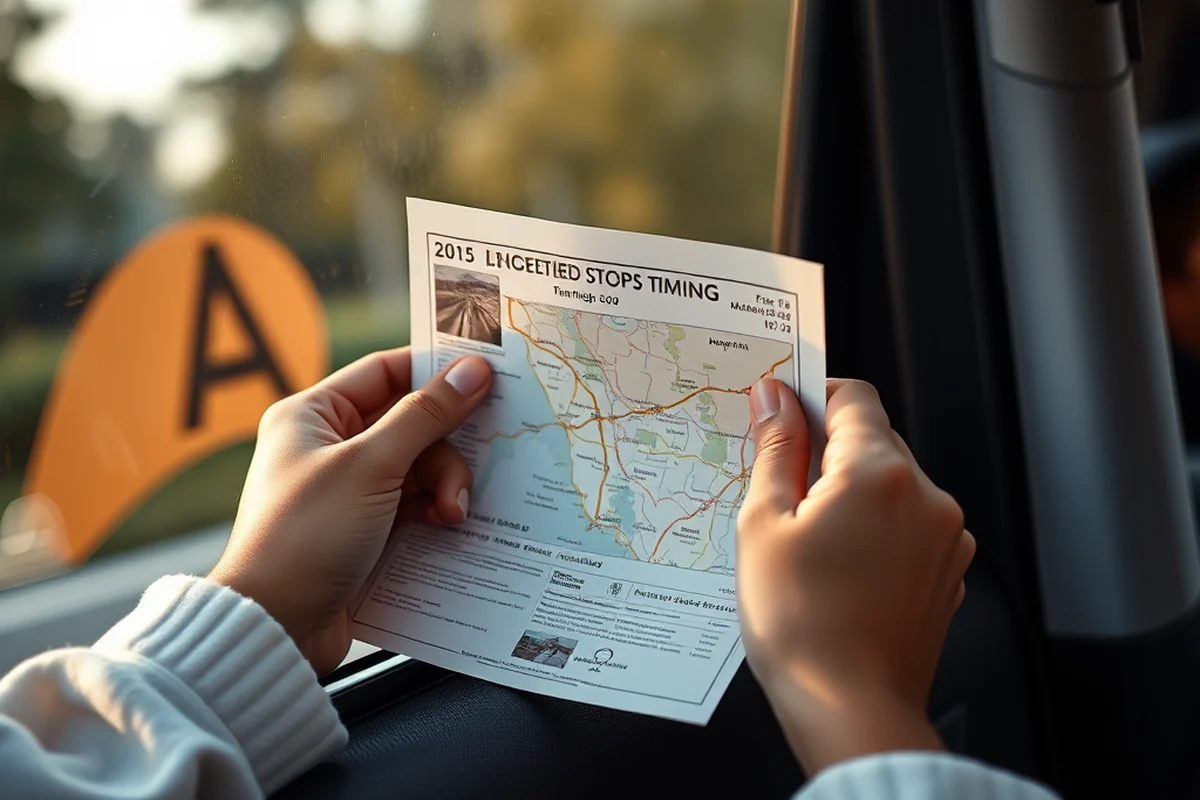
Traveling in spring means no snow, no extreme heat, and no overcrowded summer crowds. The weather is just right for kids — not too hot, not too cold — and you can easily plan stops without worrying about the sun beating down on them.
I’ve taken trips in March and April and found that the timing of the days matches perfectly with the timing of our stops. It’s easier to be outdoors, and kids are more likely to stay engaged in activities when they’re comfortable.
Another plus is that many attractions and parks open earlier in spring. This gives you a window to explore without long lines — and that makes the timing of your stops feel more relaxed, not rushed.
Spring is the season of balance — just right for kids, just right for travel.
Related: Simple kid friendly stops seasonal
How to Choose Stops That Match Your Kids’ Energy Levels
Some kids are morning people, others are night owls. Some are hyper on a sugar rush, others need a nap to function. Timing your stops with these patterns in mind can make a huge difference.
For example, my son is always more energized in the afternoon. So we time our museum visits for 2-3 PM — not too late, not too early. He’s more engaged, and we avoid the rush of early morning crowds.
I’ve also learned that if we plan a stop that requires a lot of walking — like a nature trail — on a day when the kids are tired, it’s a recipe for disaster. Timing these based on their energy levels is the secret ingredient to a successful trip.
Track your kids’ energy levels over a few days before the trip. Use that data to plan your stops — this makes timing everything more intuitive.
“There’s nothing quite like the rush of a road trip with kids — the laughter, the squabbles, the way the sun hits the back of…”— Roadsidekids editors
Related: Budget kid friendly stops seasonal
How to Handle Long Drives with Kids: Timing is Everything
A 6-hour drive with kids requires careful planning. If you don’t time your stops right, it can turn into a nightmare of boredom, tantrums, and exhaustion.
I break the drive into 2-hour segments, with a stop every 2 hours. That includes a quick snack, a bathroom break, and 15 minutes of play. For example, on a trip from Chicago to St. Louis, we made a stop in Iowa at a small museum — it gave the kids a chance to stretch their legs and reset their energy.[3]
This kind of timing keeps the mood light and the kids engaged. It also prevents the long stretch of boredom that comes with too many hours in the car without a break.
Related: Kid friendly stops seasonal timing guides checklist
Why a 4-Day Itinerary Works Best for Easy Kid-Friendly Stops Timing
I’ve tried trips that were too short — the kids are excited, but you’re rushing through stops. Too long, and you’re overwhelmed with fatigue. A 4-day trip gives the right amount of time to explore, rest, and enjoy.
For example, on our 4-day trip to Oregon, we visited the Portland Science Center, a beach in Cannon Beach, a vineyard in Willamette Valley, and a small town in Salem. Each stop was spaced out with enough time in between to avoid fatigue or overstimulation.
This kind of timing allows you to move at the pace of your kids — not the speed of a destination checklist. You can enjoy the journey without feeling like you’re missing out.
🧳 Budget Road Trip
Travel on a shoestring with low-cost attractions and free stops — perfect for families on a tight schedule.
🚗 Long Weekend Escape
A 3-day trip with easy stops that fit into a short break — ideal for parents who only have a few days to spare.
👨👩👧👦 With Kids
A tailored plan for families — with stops designed to match kids' energy, interests, and timing needs.
🍂 Off-Season Adventure
Travel during the off-peak months for cheaper prices and more relaxed timing at each stop.
💎 Luxury Getaway
A high-end trip with curated stops — where timing is planned to match the pace of your luxury itinerary.
| The mistake | Why it happens | The fix |
|---|---|---|
| Leaving a stop too late in the day | This leads to exhaustion and a rushed experience, both for the kids and the parents. | Plan to leave each stop by 3 PM, allowing enough time for the next leg of the journey. |
| Ignoring the kids’ energy levels | This can lead to over-scheduling or under-scheduling, both of which make the trip less enjoyable. | Track your kids’ energy levels and plan stops around their high and low times. |
| Trying to do too many stops in one day | This overwhelms the kids and makes them less likely to enjoy the trip. | Limit to 2-3 stops per day, spaced out with enough time in between. |
| Not preparing for the drive | A lack of planning can lead to unexpected delays, making timing even more difficult. | Plan your route in advance and check for road closures or traffic conditions before you leave. |
Related: Kid friendly stops seasonal checklist
Easy Kid-friendly Stops Timing
Related: Kid friendly stops timing checklist
The Art of Scheduling Breaks for Optimal Kid Engagement
Learning how to time breaks effectively can transform a stressful journey into a fun-filled adventure for the whole family.
During long trips, scheduling short, engaging breaks every 1.5 to 2 hours can make a huge difference. I’ve found that stopping for a quick snack, a brief walk, or even a 10-minute game of tag in a parking lot can refresh kids and keep them from getting restless. These mini-breaks help maintain their attention span and reduce the risk of tantrums, especially during peak energy times like mid-afternoon. It's also a great way to introduce new experiences, like a stop at a local market or a scenic viewpoint, without overloading the itinerary.
I often pack small toys or books that can be used during these breaks to keep kids entertained. Having a routine, like stopping for a bathroom break every 2 hours, also helps regulate expectations and prevents surprises that might lead to frustration. I’ve noticed that consistency in timing helps kids feel more secure and less overwhelmed, which is especially important during travel. Using a visual timer or a countdown app on my phone keeps everyone on track and makes the time feel shorter.
One of the most effective strategies I’ve used is aligning breaks with meal times. If we’re stopping for lunch, it’s a perfect opportunity to take a walk, stretch legs, or explore a nearby park. It’s also important to consider the age and temperament of each child—older kids may need more independent time, while younger ones benefit from more interactive activities. I’ve found that keeping a flexible schedule while sticking to a general timing plan helps balance spontaneity with structure, making the journey more enjoyable for everyone.
Common Questions
How do I time my stops for a 3-day trip?
What if my kids have different energy levels?
Can I visit an attraction that requires a lot of walking on a day with tired kids?
How do I find kid-friendly stops along the way?
References
- Kids' Books with Chris Myers (hop.dartmouth.edu)
- Kids Activities | Stanford Alumni Association (alumni.stanford.edu)
- Work/Life Family - UCSD Blink (blink.ucsd.edu)
- Ten tips for a successful family vacation! - MSU Extension (canr.msu.edu)
Cite this guide
Roadsidekids (2026). Easy Kid-friendly Stops Timing. https://roadsidekids.com/easy-kid-friendly-stops-timing/
Feel free to cite or share this guide.