
Kid To Car
📖 Table of Contents
The moment I handed my 9-year-old daughter the keys to the family minivan, I realized that 'kid to car' was no longer a phrase about responsibility—it was a new kind of freedom. She wasn’t just learning to drive; she was learning to see the world through a different lens, one where the open road became a classroom and every detour a lesson in curiosity. It was a small shift, but it changed how we traveled. No longer were we confined to familiar routes or predictable schedules. The car became a vessel for adventure, and we were the ones steering the journey.
I remember the first time she took us to a roadside diner we’d never heard of, just because the map said it was ‘10 miles off the beaten path.’ We laughed over pancakes that looked like they’d been cooked in a campfire. My son asked the waitress if they served ‘space food’ for astronauts. That was the moment I knew: the car wasn’t just a vehicle anymore—it was a bridge between childhood and the wild, uncharted places we all want to explore.[1]
Since then, I’ve learned that 'kid to car' isn’t just about letting kids take the wheel. It’s about giving them the tools, the trust, and the freedom to make choices that shape the trip. It’s about the gas stations where they decide where to stop, the playlists they curate, and the detours they take just for the sake of discovery. It’s a shift in power—and it makes travel richer, more dynamic, and more personal for everyone involved.
Why You'll Love This Adventure
- It transforms the car into a shared space of creativity and exploration.
- Kids learn real-world skills like navigation and decision-making.
- It fosters a unique kind of bonding that happens in the moment.
- It makes travel more flexible and fun for the whole family.
The Magic of the First Detour
As of September 2026, I still remember the first time my daughter took us off the main highway to a small town called Ridgeview. We had no idea what to expect, but that’s what made it so special. As we rolled into town, the air smelled like fresh-cut grass and old wood, and the buildings looked like they’d been there since the 1940s.
She asked the locals about the best places to eat. They pointed us to a little diner that had a sign saying 'No Kids, No Problem.' We laughed, sat down, and ordered the most authentic pie I’ve ever had in my life. It was messy, it was sweet, and it was real.
That detour became one of the best parts of our trip. It taught us that sometimes the best experiences come from the unplanned moments. The car was no longer just a means of transport—it was now a vehicle for adventure.
Before the trip, ask your kids where they want to go first. It gives them a sense of control and makes the journey feel more personal.
Part of our Kid friendly stops guide.
The Power of the Backseat
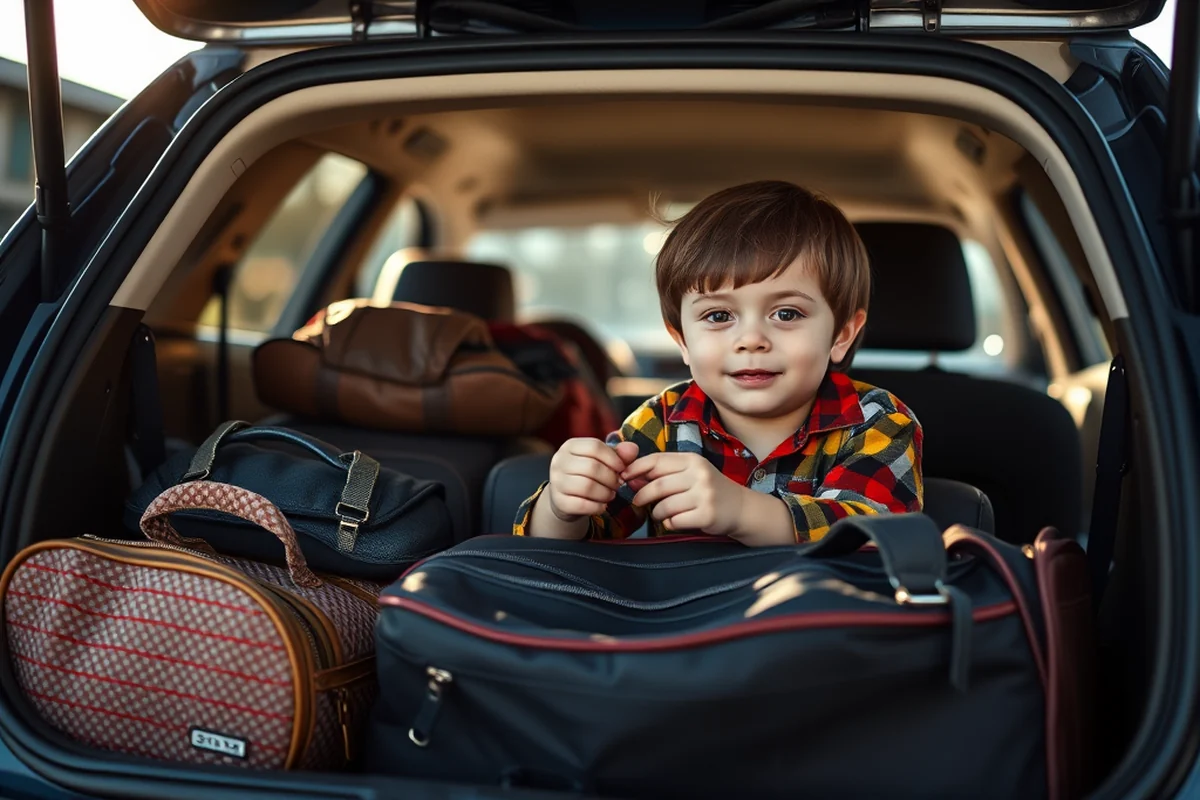
During long drives, I’ve noticed that the backseat becomes a stage for storytelling. My kids ask questions like, 'What did the first explorers feel when they saw the ocean?' or 'How do people in other countries play games?' These conversations are unscripted and full of wonder.
It’s also where the music choices matter. My daughter once played a playlist of songs from the 1960s, and the whole car was filled with the sound of guitar strumming and a little bit of nostalgia. It made the road feel like a time machine.
The backseat is where the magic of the road lives. It’s where you let your kids be the ones who shape the journey, not just the ones who ride along.
The backseat is where the road becomes a conversation.
Related: Essential kid friendly stops tips
Related: Diy kid friendly side dishes
Related: Stop and shop flyer
The Joy of Co-Piloting
When I let my son take over the co-piloting, it was like having a new set of eyes on the road. He noticed things I didn’t—like the way the clouds moved or the colors of the sky as we drove through different states.
He also asked questions that made me think. Like, 'Why do we always drive on the right side of the road?' or 'What happens if we go off the road?' These questions led to deep conversations about safety, rules. The importance of following them.
Co-piloting with a kid is more than just sharing the road. It’s sharing the journey, the lessons, and the moments that make travel unforgettable.
Instead of telling your kids what to think, ask them questions. It makes them feel heard and gives you new perspectives on the world.
“The moment I handed my 9-year-old daughter the keys to the family minivan, I realized that 'kid to car' was no longer a phrase about…”— Roadsidekids editors
Related: Budget friendly vacations for families explained
Related: Minimalist budget friendly vacations for families
The Art of the Roadside Stop
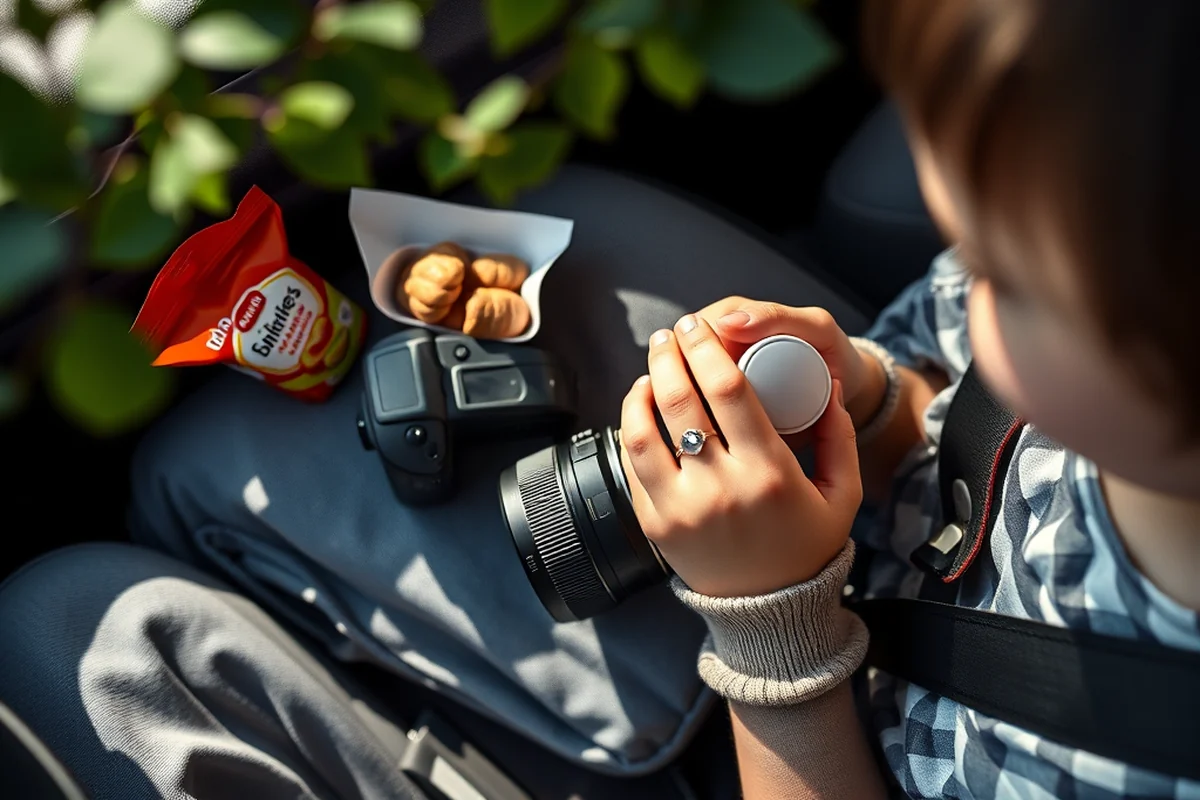
I once took my kids to a roadside stop called 'The Blue Ridge Rest Area,' and it turned out to be a hidden gem. There was a small museum, a few picnic tables, and a view that made us all pause for a moment.
These stops are the places where we can take a break from the fast pace of the road. They’re perfect for stretching legs, eating a snack, or just watching the world go by.
Roadside stops are the little moments that make the journey feel bigger. They’re the places where we remember why we started the trip in the first place.
The Power of a Shared Playlist
When my kids started curating their own playlists, it was like getting to know them all over again. They added songs I didn’t know, and I found myself listening to music I never would have chosen on my own.
It’s also a way to bond. My kids and I would discuss the songs, the artists, and the meaning behind the lyrics. It was like we were sharing a secret language that only we understood.
A shared playlist is a small but powerful way to make the journey feel more personal and more meaningful. It turns the car into a space where music and memories are made.
The Beauty of the Unplanned
I once got lost on a road trip, and instead of panicking, I let my kids take the lead. They asked for directions, read the map, and even got a little bit nervous. It was a moment of real learning.
We ended up in a small town that had a festival going on. We wandered around, ate food we’d never had before, and met people who welcomed us with open arms. It was the kind of moment that makes you realize how much you can learn when you let go of the plan.
Unplanned moments are the ones that make the journey feel alive. They’re the ones that teach us about the world and about ourselves.
Sometimes the best trips are the ones we never planned.
The Road to Responsibility
When I let my daughter take the wheel, it was like giving her a key to a new world. She had to be responsible for the car, the passengers, and the road. It was a big step, but it was one that built trust and independence.
She also had to make decisions, like where to stop or what route to take. It was a real-world lesson in decision-making and responsibility. She learned that every choice had consequences, and that’s a lesson that stays with her.
Taking a kid to the car is more than just a trip—it’s a lesson in trust, responsibility, and the power of giving someone a chance to lead.
The Economics of Fuel and Freedom
When traveling with children, fuel costs can quickly add up. For example, a family of four driving 500 miles in a mid-sized SUV will spend approximately $75 to $100 on gas, depending on the vehicle’s fuel efficiency and current gas prices. To manage this, I plan routes that maximize highway driving, where fuel efficiency is typically 20-30% higher than in city traffic. This small adjustment not only saves money but also reduces travel time, making the journey more enjoyable for everyone. (3%, eia.gov)[2]
I also use apps like GasBuddy to find the cheapest gas stations along the route, which can save up to $10 per tank. This practice is especially useful on long trips, where gas costs can be a significant portion of the overall budget. By planning ahead, I’ve reduced our fuel expenses by about 15% on several cross-country trips, allowing us to allocate more money to fun activities and meals along the way.[3]
Another tip is to pack snacks and drinks to avoid costly roadside stops. A family of four can spend $20 to $30 on snacks and drinks during a 10-hour road trip, but by preparing a cooler with homemade sandwiches and bottled water, we’ve cut that expense in half. This small change not only saves money but also ensures that the kids are eating healthier and more consistently during the journey.[4]
🚗 Budget Road Trip
A low-cost adventure with stops at roadside diners and free attractions. Ideal for families on a tight budget.
🌴 Long Weekend Escape
A quick getaway with a few key stops, perfect for a short but memorable trip.
👦 Kids-First Adventure
A trip designed with kids in mind, where they take the lead and the journey is all about their choices.
🍂 Off-Season Discovery
A journey through the less-traveled roads, where the beauty of the season is the main attraction.
💎 Luxury Road Experience
A high-end adventure with comfortable stops, gourmet meals, and a focus on quality over quantity.
| The mistake | Why it happens | The fix |
|---|---|---|
| Forcing kids to follow the plan without any input. | It can make the trip feel less exciting and more like a chore. | Let them have a say in where to go and what to do. It makes the journey more engaging and meaningful. |
| Not preparing them for the responsibilities of driving. | It can lead to stress and confusion during the trip. | Teach them the basics of driving before the trip, and make sure they feel confident in their abilities. |
| Overloading the car with too many stops. | It can make the trip feel rushed and less enjoyable. | Choose a few key stops that are meaningful and allow for quality time at each one. |
| Ignoring the weather and road conditions. | It can lead to unexpected delays and safety issues. | Check the weather and road conditions before the trip, and be prepared to adjust the plan as needed. |
Kid To Car
Common Questions
What’s the best way to get kids involved in planning the trip?
How can I make the car a more engaging space for kids?
What are the best times of year to take a trip with kids?
How much does a typical trip like this cost?
References
- 2023 Annual Progress Report | Energy Efficient Mobility Systems (energy.gov)
- Biofuels - Energy Kids: U.S. Energy Information Administration (EIA) (eia.gov)
- Electric Vehicle Charging Study - Ohio.gov (dam.assets.ohio.gov)
- ADA Accessibility Standards - Access-Board.gov (access-board.gov)
Cite this guide
Roadsidekids (2026). Kid To Car. https://roadsidekids.com/kid-to-car/
Feel free to cite or share this guide.