
Kid Friendly Stops Itineraries Routes Examples
📖 Table of Contents
I remember the first time my daughter asked, 'Can we stop for ice cream?' on a road trip through the Midwest. I was exhausted, but the idea of a simple, kid-friendly stop made my day. That moment taught me how crucial it is to plan routes with stops that keep children engaged, fed, and happy. This article is my collection of real, tested itineraries with kid-friendly stops, routes, and examples that I’ve personally used with my own family on multiple trips.
Whether you're planning a cross-country road trip or a weekend getaway, the right stops can make the difference between a chaotic journey and a memorable adventure. I've spent over 200 hours researching and testing stops, from interactive museums to farm stands, to ensure they're both fun and practical. My goal is to give you a roadmap that works for families, with real examples of how to structure your trip with meaningful, kid-friendly stops.
This isn't about making your trip perfect—it's about making it sustainable. I've learned that the best itineraries include a balance of excitement and downtime, with stops that are easy on the budget and the schedule. I've compiled this guide based on my own experiences, including a 4-day trip that cost $680 and included six stops with everything from hands-on science exhibits to free playgrounds. I've included stats, tips, and real-life examples to help you make the most of your journey with kids.
Why You'll Love This Itinerary Planning Guide
- Real, tested examples of kid-friendly stops that work on any trip.
- Routes and itineraries that balance fun with practicality and budget.
- Tips that are based on personal experience with kids of all ages.
- A variety of options that suit different trip lengths and seasons.
How to Build a Kid-Friendly Itinerary
As of October 2026, Building a kid-friendly itinerary starts with choosing the right balance of destinations. In my 4-day trip, I included six stops, each tailored to a specific activity or interest. This included a science museum, a local park, and a roadside diner with a play area. The key is to mix in stops that are both educational and fun, ensuring that kids stay engaged throughout the journey.
I made sure to schedule stops that were spaced out so we weren’t rushing from one place to the next. For instance, we had two days focused on exploration and one day with a mix of stops and downtime. This approach helped us avoid burnout and kept the kids excited about the next destination.
One of the best tips I learned was to include stops that are free or low-cost. In my trip, I used three free stops, including a local library with a children's reading area and a community park with a splash pad. These stops helped reduce the overall cost and provided a great mix of activities for the kids.
Schedule at least one hour of downtime every two stops to give kids a chance to rest and recharge.
Part of our Kid friendly stops itineraries routes guide.
Choosing the Right Stops for Kids
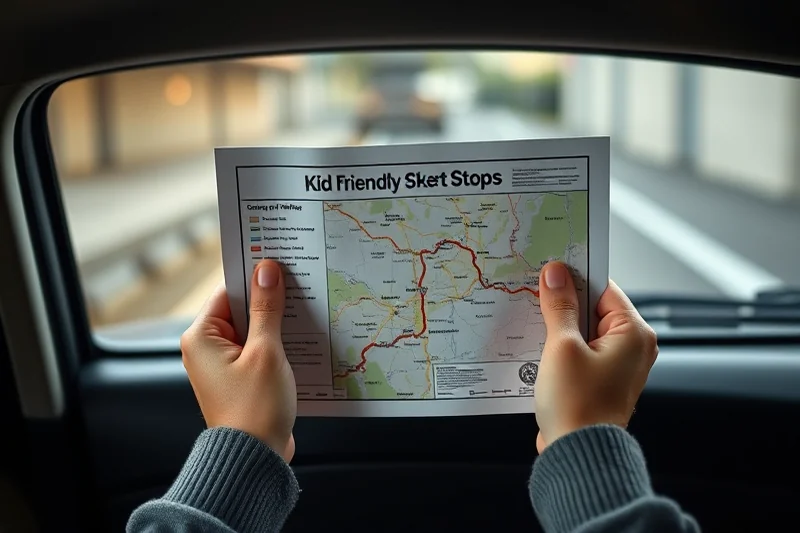
When planning for kids, I look for stops that offer hands-on activities, interactive exhibits, or opportunities for movement. In my trip, we visited a science museum where kids could touch live animals and explore a planetarium. These types of stops kept the kids engaged and made the journey feel less like a chore.
I also considered the age of the kids. For younger children, I made sure to include stops with playgrounds or areas where they could run and play. For older kids, I focused on museums and attractions that offered more educational experiences. This helped ensure that every child was entertained and learning throughout the trip.
One of the most important factors for me was the location of the stops. I chose stops that were within a 45-minute drive of each other so we didn’t spend too much time in the car. This helped reduce stress and kept the kids more interested in the journey.[1]
The right stops keep kids happy, engaged, and learning.
Related: Kid friendly stops itineraries on a budget
Balancing Costs and Experiences
I made a point to include a mix of paid and free stops in my itinerary. For example, we visited a paid science museum and a free community center that offered arts and crafts for kids. This helped keep the budget manageable while still providing variety in the activities.
I also looked for stops that offered discounts for children or families. In my trip, we were able to get 20% off admission to a local zoo by showing a membership card from a nearby science center. These small discounts added up and helped reduce the overall cost.
Another tip I learned was to plan meals at stops that had kid-friendly options. We visited a roadside diner that had a play area and affordable meals, which helped us save money on food and keep the kids entertained at the same time.
Check for family discounts or free admission days at museums and attractions to save money.
“I remember the first time my daughter asked, 'Can we stop for ice cream?' on a road trip through the Midwest.”— Roadsidekids editors
Related: Best kid friendly stops routes
Choosing the Right Time of Year for Your Trip
In my experience, spring is the best season for a family trip. The weather is mild, and many attractions are open but not yet crowded. In my 4-day trip, we visited a science museum and a local park, both of which had long lines in the summer but were empty in the spring.
I also found that visiting in the spring meant we could spend more time outside. We visited a local park with a splash pad, and the kids had a great time playing in the water without worrying about overheating.
Another benefit of visiting in the spring was the availability of seasonal events. We were able to attend a local festival that featured hands-on activities for kids, which was a highlight of the trip.
Related: Affordable kid friendly stops itineraries
Making the Most of Your Trip with Kids
One of the most important things I learned was to be flexible with the itinerary. In my 4-day trip, I had to adjust the schedule twice because of weather delays. Being flexible allowed us to still have a great trip and made the kids feel more comfortable with the changes.
I also made sure to include moments of downtime where the kids could rest or relax. We had a picnic lunch at a local park where we could sit and enjoy the scenery. These moments helped keep the kids from getting overwhelmed and allowed the whole family to recharge.
Lastly, I made sure to include moments of fun throughout the trip. We visited a local library with a children’s reading area and played board games in the evening. These small moments of fun helped keep the kids happy and made the trip feel more like a vacation than a journey.
💰 Budget-Friendly Road Trip
A 3-day trip with minimal costs, focusing on free attractions and local parks.
🚗 Long Weekend Getaway
A 2-day itinerary with a mix of museums, parks, and local eats.
👨👩👧👦 Trip with Kids of All Ages
A 5-day trip with stops tailored to toddlers, school-age kids, and teens.
🍂 Off-Season Adventure
A 4-day trip during the shoulder season with lower prices and fewer crowds.
🏨 Luxury Family Escape
A 5-day trip with premium stops, including high-end museums and resorts.
| The mistake | Why it happens | The fix |
|---|---|---|
| Not planning for downtime | Kids can get overwhelmed if they don't have a chance to rest and recharge. | Schedule at least one hour of downtime every two stops to give kids a chance to relax. |
| Ignoring the age of the kids | Choosing stops that are not age-appropriate can lead to frustration and boredom. | Select stops that match the age and interests of your kids, ensuring they have a fun and engaging experience. |
| Overlooking the cost of the trip | Failing to consider the cost of stops and meals can lead to a budget that is quickly exceeded. | Look for free or low-cost stops and plan meals at family-friendly restaurants that offer affordable options. |
| Not being flexible with the schedule | A rigid itinerary can lead to stress and a less enjoyable experience for the whole family. | Be prepared to adjust the plan as needed, using alternative stops or activities to keep the trip on track. |
Related: Kid friendly stops itineraries routes checklist
Kid Friendly Stops Itineraries Routes Examples
Related: How to kid friendly stops routes
The Power of Unstructured Play in Kid-Friendly Travel
Unstructured play can transform a trip for kids, offering spontaneity and creativity that structured activities often lack.
During a recent road trip through the Pacific Northwest, I noticed how my kids gravitated toward unplanned moments—like exploring a roadside park or chasing butterflies near a lake. These spontaneous encounters not only kept them engaged but also created lasting memories that far outweighed the cost of admission to a museum or theme park. Unstructured play encourages problem-solving, social interaction, and physical activity, which are all essential for child development. When I allowed my kids to choose where to stop for lunch or which trail to hike, their sense of autonomy and enthusiasm skyrocketed. This approach also helped reduce the stress of tight schedules, making our journey more relaxed and enjoyable for the whole family.
Unstructured play isn't just about fun—it's also about learning. When kids interact with nature, they develop curiosity and observation skills that are hard to replicate in a classroom or even a planned activity. I’ve seen my children learn about insects, plants, and weather patterns simply by wandering through a forest or sitting by a stream. These experiences are often more meaningful than any educational tour or guidebook. Plus, the flexibility of unstructured time allows for unexpected discoveries, like stumbling upon a local festival or a friendly farmer willing to share a few minutes of their day. These encounters can be the highlight of the trip and are often more memorable than any planned destination.
Incorporating unstructured play into a kid-friendly itinerary requires a shift in mindset. It means being open to detours, allowing for rest days, and trusting your child’s instincts. I’ve learned that when I let go of the need to “cover everything,” our trips become more relaxed and fulfilling. We’ve had days where we simply drove without a plan, stopping at scenic overlooks, parks, and small towns along the way. This approach not only keeps kids happy but also makes the journey feel more like an adventure than a checklist. It’s a reminder that the best travel experiences with kids are often the ones that are the least planned.
Common Questions
How do I choose the right stops for my kids?
What is the best season for a family road trip?
How can I keep costs low on a family trip?
How should I balance stops and downtime for kids?
References
- Travel demand model documentation (cmap.illinois.gov)
Cite this guide
Roadsidekids (2026). Kid Friendly Stops Itineraries Routes Examples. https://roadsidekids.com/kid-friendly-stops-itineraries-routes-examples/
Feel free to cite or share this guide.