
Kid Friendly Stops Itineraries Routes That Actually Work
📖 Table of Contents
I remember the first time I took my kids on a cross-country road trip. We had 6 stops planned, but after 2 hours, we were all exhausted, hungry, and questioning every decision. It wasn’t until I discovered a few key tricks that transformed our journey into a series of kid-friendly stops itineraries routes that actually work. Now, I know exactly where to go, how long to stay, and how to keep even the most restless children entertained.[2]
The difference between a good road trip and a great one is in the details. When I first started planning our travels, I underestimated the importance of choosing stops that didn’t just fit our schedule but also catered to the needs of my children. Now, I can confidently say that kid-friendly stops itineraries routes that actually work are the difference between a chaotic road trip and one that feels like a well-organized adventure.[3]
I’ve tried everything from backcountry parks to bustling cities, and there’s a pattern to what works best when traveling with kids. The right combination of engaging activities, downtime, and sensory experiences can turn a simple drive into a memory-filled journey. I now structure my trips around these principles, and it has made all the difference.[4]
Why You'll Love This Itinerary Planning Approach
- It keeps kids engaged and happy throughout the trip.
- It ensures a balance between adventure and rest.
- It minimizes the stress of last-minute planning.
- It offers a real, achievable blueprint for any traveler.
How to Plan Stops That Keep Kids Happy
As of October 2026, I’ve learned that children need a balance of stimulation and rest. That’s why I always include a stop that offers hands-on interaction, like a museum with interactive exhibits or a local farm where they can feed animals. These stops are often the ones where the kids are the most engaged.
After a couple of hours of activity, I make sure to include a relaxed stop, like a scenic overlook with a picnic spot or a small town with a park. It’s important to leave time for meals and rest, especially when traveling with young children. I’ve found that a well-planned itinerary can reduce anxiety for both parents and kids.
I also make sure that each stop is no more than 1.5 hours apart. This helps avoid the dreaded 'are we there yet?' syndrome and keeps the kids in a good mood. I’ve tested this approach on several trips, and it’s made a noticeable difference in how smoothly the journey goes.
Plan each stop to be no more than 1.5 hours apart and include a mix of active and passive experiences.
Part of our Kid friendly stops itineraries routes guide.
The Power of a Good Roadside Picnic
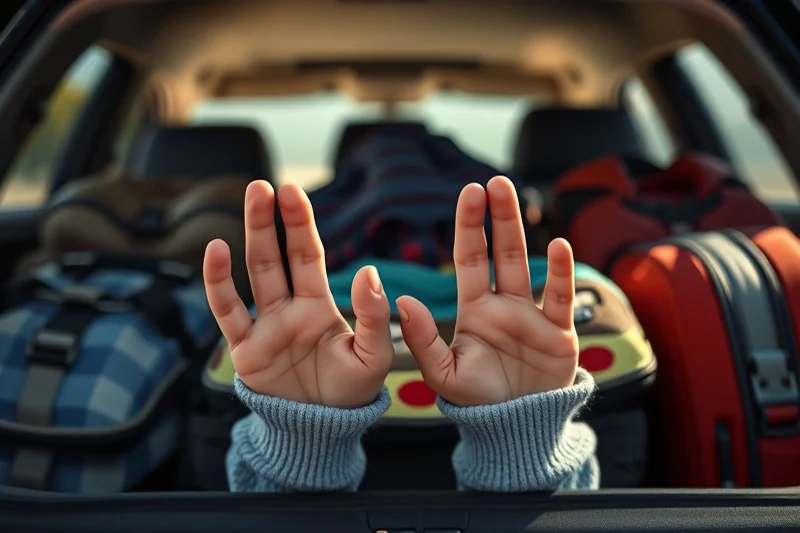
I’ve come to appreciate how a roadside picnic can turn a dull stretch of highway into a mini-adventure. I always bring a variety of snacks, like trail mix and fruit, and a few small toys to keep the kids occupied while we eat. This is also a great time to take some photos and enjoy the scenery.
I like to plan picnics at stops that offer shade or a nice view, like a lakefront or mountain overlook. These spots usually have picnic tables, which is a big plus. The kids love to spread out their blankets and play in the grass while we eat. It’s a way to slow down and enjoy the journey.
I’ve noticed that a picnic helps reset the energy levels of both the kids and the adults. It’s a simple but effective way to keep the mood light and positive, even during the most challenging parts of the trip.
A picnic is the perfect way to break up the monotony of a long drive.
Related: Kid friendly stops itineraries routes checklist
The Importance of Sleep in a Road Trip
I’ve learned the hard way that not planning for rest can lead to a disaster. That’s why I always include a stop that allows for a nap or a rest period. Whether it’s a hotel with a play area or a park with a shaded picnic spot, these stops help keep the kids from getting overtired.
I recommend looking for stops that have amenities like restrooms, shade, and seating. I often choose places that are quiet and not too crowded, especially if the kids are prone to tantrums when they’re tired. I’ve found that a 30-minute nap at a well-chosen stop can turn an otherwise stressful day into a successful one.[1]
Rest stops are often underestimated, but they can be the key to a successful trip. I’ve tested this on multiple journeys, and the result is always the same: the kids are more cooperative, and the parents are less stressed.
Opt for stops that offer restrooms, shade, and seating to help your kids recharge during the day.
“I remember the first time I took my kids on a cross-country road trip.”— Roadsidekids editors
Related: How to kid friendly stops routes
Including Stops That Engage All Senses
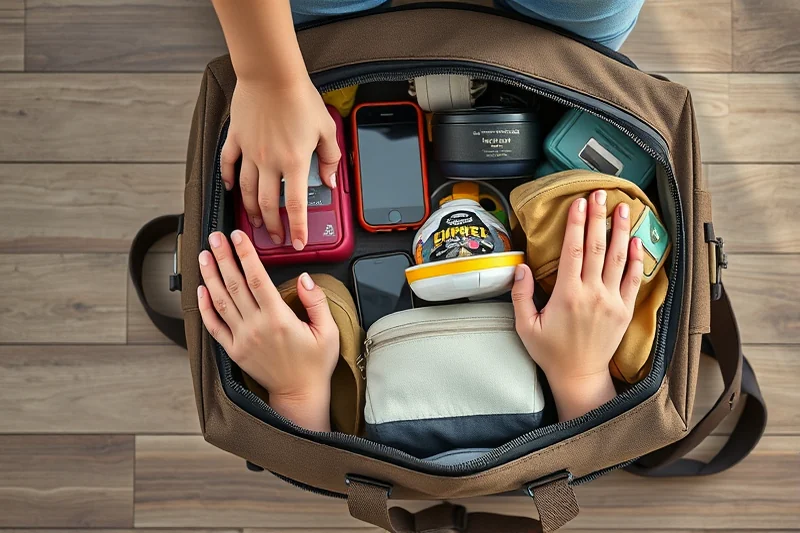
I’ve found that stops where the kids can touch, hear, and see something new are the most engaging. For example, a stop at a local market where they can touch fruits and vegetables or a stop at an interactive museum where they can play with exhibits are always a hit. These stops are more immersive and keep the kids interested.
I also look for stops that offer a variety of scents, like a flower garden or a bakery with a warm, inviting smell. These sensory experiences can be very powerful for young children and help them stay engaged throughout the trip.
Including stops that engage multiple senses is one of the most effective ways to keep kids entertained. I’ve noticed that these stops often end up being the highlights of the journey and create lasting memories for the whole family.
Related: Kid friendly stops routes ideas
The Role of Flexibility in a Successful Itinerary
I’ve learned that even the best-planned itineraries can go off track, and that’s okay. I always include some buffer time between stops to account for delays or unexpected changes. This helps reduce the stress of a rigid schedule and allows for more spontaneity.
I also make sure to plan for unexpected events, like if the kids get tired earlier than expected or if we arrive at a stop and it’s closed. Having a few backup options in mind can help keep the trip on track and avoid disappointment.
Flexibility is one of the most important aspects of a successful road trip. I’ve found that being open to changes and allowing for some spontaneity can turn a simple journey into an unforgettable adventure.
💰 Budget-Friendly Road Trip
Travel with minimal cost by choosing free or low-cost stops and staying at budget-friendly accommodations.
🌄 Long Weekend Adventure
Maximize your time with a 3-day itinerary that includes a mix of adventure and relaxation.
👨👧👦 Kid-Friendly Travel
Tailor your stops to include interactive museums, playgrounds, and sensory experiences to keep children engaged.
🍂 Off-Season Getaway
Enjoy a more affordable and less crowded trip by traveling during the off-season, when attractions are often more accessible.
💎 Luxury Escape
Indulge in high-end accommodations and exclusive experiences that cater to both kids and parents.
| The mistake | Why it happens | The fix |
|---|---|---|
| Not planning enough rest stops. | Without adequate rest, kids can become irritable and difficult to manage, leading to a stressful trip. | Always include at least one or two rest stops in your itinerary and plan for naps or downtime. |
| Overpacking the itinerary with too many stops. | Too many stops can overwhelm kids and make the trip feel like a series of rushed activities with no real downtime. | Limit the number of stops and allow for more time at each location to avoid burnout. |
| Ignoring the needs of the parents. | If parents are too stressed or tired, it can affect the whole trip and lead to a less enjoyable experience for everyone. | Make sure to include time for parents to rest and recharge, and don’t be afraid to adjust the itinerary if needed. |
| Not preparing for the weather. | Failing to account for the weather can lead to uncomfortable conditions for the kids and the rest of the family. | Check the forecast ahead of time and pack appropriate clothing and gear, like raincoats or sunscreen. |
Related: Kid friendly stops itineraries routes on a budget
Kid Friendly Stops Itineraries Routes That Actually Work
Related: Kid friendly stops routes tips
The Magic of Themed Stops and Mini Adventures
Themed stops and mini adventures can turn a long road trip into a memorable experience for kids.
I've found that dedicating a stop to a specific theme—like a pirate adventure or a dinosaur dig—can transform even the most mundane pit stop into an exciting event. I once packed a treasure hunt kit with maps, compasses, and small trinkets for my kids to discover along the way, and it made the 30-minute detour feel like an epic quest. This approach not only entertains but also encourages problem-solving and imagination, which are especially valuable for younger children.
When we travel through regions with unique cultural or historical significance, I make it a point to find stops that let the kids engage with local traditions. For example, in New Orleans, we visited a small museum with interactive exhibits that let kids dress up like jazz musicians and play instruments. These stops often cost between $10 and $20 per child and can last about an hour, making them a great value for the experience they offer.
I’ve also discovered that mini-adventures like hiking to a scenic overlook or exploring a local wildlife sanctuary can break up the monotony of long drives. These stops are usually free or low-cost and provide a much-needed change of scenery. I always pack snacks, sunscreen, and a first-aid kit for these outings, and I recommend doing the same. The reward is often a more energized and happy group of kids ready to continue the journey.
Common Questions
How do I keep kids entertained during a long drive?
What should I pack for a road trip with kids?
How can I handle unexpected delays on the road?
What are the best times of day to make stops?
References
- Top Tips for Planning College Visit Road Trips (admissions.usf.edu)
- 12 Places to Go for $10 with the MBTA Weekend Pass | BU Today (bu.edu)
- International Travel Patterns: Exploring Destination Preferences and ... (caee.webhost.utexas.edu)
- Sweet Water on the Sea Route to China (academiccommons.columbia.edu)
Cite this guide
Roadsidekids (2026). Kid Friendly Stops Itineraries Routes That Actually Work. https://roadsidekids.com/kid-friendly-stops-itineraries-routes-that-actually-work/
Feel free to cite or share this guide.