
How To Kid-friendly Stops Planning
📖 Table of Contents
I remember the first time I tried to plan a family trip without a clear strategy. We were in Orlando, and my 6-year-old was sobbing in the car because the day had been too long and too chaotic. It wasn’t the destination that failed us — it was the planning. That moment taught me that kid-friendly stops planning isn’t just about picking fun places; it’s about pacing, timing, and balance. When you plan ahead, you’re not just saving time — you're saving sanity.
The key to a successful family trip lies in thoughtful planning, and that’s where kid-friendly stops planning comes in. I’ve traveled with kids from the age of 2 to 12, and I’ve learned that the best trips are those where the kids aren’t just entertained — they’re engaged. This means choosing stops that are not only fun but also allow for rest, meals, and a rhythm that prevents burnout. The right planning keeps your family excited and energized, not drained and resentful.[1]
One of the most surprising things I’ve learned is that kid-friendly stops planning can make or break a trip. I once planned a 5-day trip to Yellowstone with my two kids, and by pacing the days with 2-3 stops each, we had time to explore and recover between activities. The result? Happy, well-rested kids who were still excited to see the geysers. If you’re planning your next family adventure, let this guide help you avoid the chaos and make every moment count.
Why You'll Love This Kid-Friendly Stops Planning Guide
- Reduce stress by pacing your trip with realistic, kid-approved stops.
- Keep your family excited and energized by balancing activity with rest.
- Save time and money by avoiding overcrowded, chaotic destinations.
- Create lasting memories with thoughtful, engaging experiences.
How to Choose the Right Stops for Kids
As of October 2026, when planning, I always consider the age of my kids, their interests, and the length of the trip. For younger children, I look for interactive museums or parks with soft play areas. For older kids, I aim for science centers or adventure parks with climbing walls. I also prioritize stops that have good restrooms and snack options, as these are often overlooked but essential.
A practical tip is to research each destination ahead of time. For example, if you're visiting a science center, check if they have hands-on exhibits that are appropriate for your child’s age. I once planned a stop at a planetarium with my 8-year-old, and it turned out to be one of her favorite parts of the trip because she got to touch a meteorite. That kind of detail makes all the difference.[2]
I’ve also learned to avoid places that are too long or have waiting lines that are impossible to manage with kids. For example, I once tried to take my 5-year-old to a large amusement park, but the lines and noise were overwhelming for him. We left after two hours, and he was exhausted. Since then, I’ve stuck to smaller, more manageable stops that keep the whole family happy.
Before booking any kid-friendly stops, check for accessibility features like wheelchair ramps and stroller parking. Also, look for places that offer shaded areas or indoor restrooms, especially on hot days. These details can make a huge difference in your family’s comfort.
Part of our Kid friendly stops budget planning guide.
The Importance of Timing and Pacing
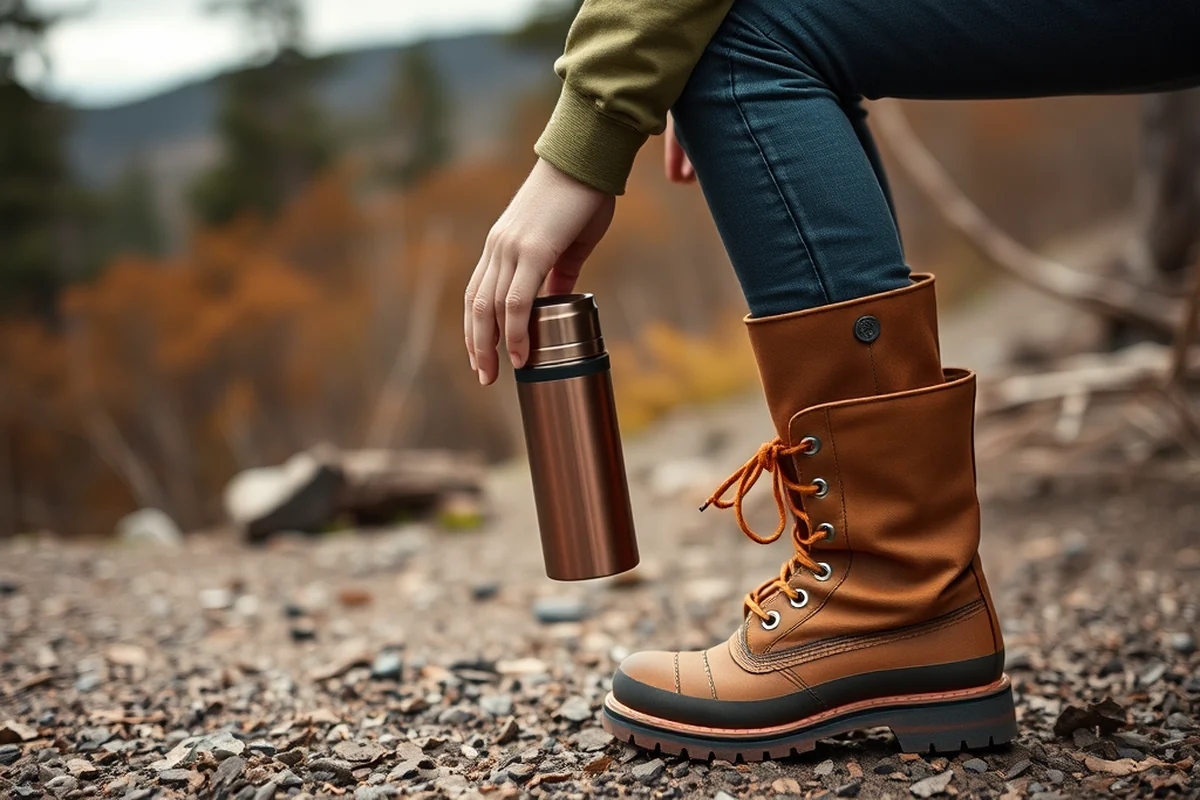
I’ve found that 2-3 stops per day is ideal for most families. This allows time for each activity without overloading your kids. For example, during a 4-day trip to the Pacific Northwest, we visited two stops each day — one in the morning and one in the afternoon — and had time to relax in the evenings.
Pacing is also about knowing when to move on. I once visited a nature reserve with my kids, and the trail was too long for them. I made the decision to cut it short, and we ended up visiting a nearby picnic area instead. The kids were thrilled with the sandwiches and the view, and I was grateful we didn’t push them too hard.
The key is to be flexible. You can’t always predict how your kids will react to a stop, so be prepared to adjust your plans. If one stop doesn’t go well, be ready to move on and try another. Flexibility is the name of the game with kid-friendly stops planning.
Timing is everything — too fast, and you burn out; too slow, and you lose interest.
Related: Easy kid friendly stops planning
Balancing Activity with Rest
I’ve learned that even the most fun-filled days need rest. I once planned a day with three stops, and by the end, my kids were exhausted and even a bit cranky. Now, I always plan for one or two rest periods in between activities. This could be as simple as having a picnic lunch or taking a walk in a park.
Nap time is also important. If your kids are toddlers, plan for a midday nap. For older kids, plan for downtime after a big activity. I once took my 6-year-old to a science museum and then had her nap before heading to the beach. The nap made all the difference — she was refreshed and ready to enjoy the water.
Including rest periods in your planning doesn’t mean you’re being lazy. It means you’re being realistic about your kids’ needs. A well-rested child is a happy child, and that’s what you want from your trip.
Include at least one rest period per day in your planning. This could be a quiet afternoon in a hotel, a picnic lunch, or even a short walk in a park. These moments of rest can make your trip more enjoyable and less stressful for everyone.
“I remember the first time I tried to plan a family trip without a clear strategy.”— Roadsidekids editors
Related: Simple kid friendly stops planning
Making the Most of Each Stop

I always research each stop before we go. For example, if we’re visiting a museum, I check if they have special exhibits for kids or if they offer interactive activities. This way, I can make sure we’re not just walking through empty halls — we’re actually engaging with the exhibits.[3]
I also plan our time carefully. If we’re visiting a park, I look up the best trails, the most scenic viewpoints, and the best places for a picnic. I’ve found that having a plan can make a big difference in the quality of the experience. For example, I once planned a visit to a botanical garden, and we had a picnic in one of the most beautiful spots — the kids loved it.
It’s also important to be flexible. Even the best plans can change when you’re on the ground. For example, I once planned a visit to a zoo, but it started raining. We ended up going to an indoor aquarium instead, and the kids loved that. Flexibility can lead to new, unexpected adventures.
Related: Quick kid friendly stops budget planning
Choosing the Right Time of Year
I’ve found that spring is often the best time for family trips. The weather is mild, and many parks and museums are open. For example, during a trip to Florida in spring, we visited several parks and enjoyed the warm days without the summer crowds.
Summer can be a great time for trips to the beach or theme parks, but I’ve also found it to be overwhelming for young kids. The heat and crowds can be difficult to manage. In contrast, fall can be a wonderful time for visiting forests, parks, and museums, where the weather is comfortable and the crowds are often smaller.
Winter can also be a great time for family trips, especially in snowy regions. However, I’ve found that some destinations are closed during the winter months, so it’s important to research the seasonality of each stop. For example, I once tried to visit a science center in the winter, but it was closed for repairs. We had to reschedule our trip, which was a hassle.
💰 Budget-Friendly Adventure
Explore kid-friendly stops without breaking the bank by visiting local parks, museums, and community centers. Keep costs low with free or affordable options.
🚗 Long Weekend Getaway
Plan a 3-day trip with a few kid-friendly stops and a mix of activities and rest. Perfect for a quick escape with your family.
👨👩👧👦 With Kids of All Ages
Choose stops that cater to different age groups, such as interactive museums, parks with soft play areas, and science centers with hands-on exhibits.
🍂 Off-Season Travel
Take advantage of lower prices and fewer crowds by planning a trip during the off-season. Many kid-friendly stops are still open and enjoyable.
💎 Luxury Family Vacation
Choose high-end destinations with kid-friendly stops, such as all-inclusive resorts, private tours, and exclusive family-friendly experiences.
| The mistake | Why it happens | The fix |
|---|---|---|
| Trying to do too many stops in one day | Too many stops can overwhelm kids and lead to exhaustion, making the rest of the trip stressful. | Limit the number of stops to 2-3 per day and allow for rest periods between them. |
| Ignoring the needs of younger kids | Younger children need more rest and shorter, engaging activities. Overlooking this can lead to frustration and tiredness. | Plan for rest periods and choose stops that are appropriate for their age and energy levels. |
| Not checking accessibility and comfort | Choosing stops that lack restrooms, snacks, or shaded areas can be uncomfortable for your kids and add stress to the trip. | Research each stop ahead of time and choose those that provide comfort and accessibility for your family. |
| Not being flexible with the plan | Rigid planning can lead to disappointment if a stop doesn’t work out or the weather changes. | Be prepared to adjust your plans and have a backup option ready in case of unexpected changes. |
Related: Diy kid friendly stops budget
How To Kid-friendly Stops Planning
Related: Simple kid friendly stops budget
Common Questions
How many stops should I plan for each day with kids?
What should I look for when choosing kid-friendly stops?
How can I make the most of each stop?
What is the best time of year to visit kid-friendly stops?
References
- Understanding Families' Experiences of Poverty (acf.gov)
- Planning Design and Maintenance - of Pedestrian Facilities - ROSA P (rosap.ntl.bts.gov)
- Kaua'i Multimodal Land Transportation Plan - Kauai.gov (kauai.gov)
Cite this guide
Roadsidekids (2026). How To Kid-friendly Stops Planning. https://roadsidekids.com/how-to-kid-friendly-stops-planning/
Feel free to cite or share this guide.