
Kid Friendly Stops Itineraries Routes Step By Step
📖 Table of Contents
I'll never forget the first time I watched my daughter's eyes light up at the sight of a dinosaur statue in a small town park. It was a quiet Friday afternoon, and we had taken a detour from our main route to visit a stop I had read about online. That moment taught me the value of kid-friendly stops itineraries routes step by step — not just for making travel fun, but for turning ordinary days into unforgettable adventures.[1]
Planning a trip with kids can feel like chasing a constantly moving target. You're juggling nap schedules, snack times, and the ever-present need for entertainment that doesn't involve screens or yelling. But I've found that with the right approach, you can create a journey that's both educational and exhilarating, filled with stops that cater to every age and energy level.[2]
That's why I've crafted this guide: kid-friendly stops itineraries routes step by step. It's not about checking off every attraction in a city — it's about finding the right balance between activity and rest, between discovery and comfort. Whether you're heading to a nearby town or across the country, this guide will help you make every stop count.[3]
Why You'll Love This Itinerary Planning Approach
- It ensures you're always prepared for the needs of your kids — from snacks to rest spots.
- It helps you avoid the pitfalls of over-scheduling and burnout.
- It introduces your kids to new places and experiences in a way that feels natural and fun.
- It gives you a structure that's flexible enough to adapt as your trip unfolds.
Start With a Map and a Purpose
As of October 2026, the first step in any kid-friendly stops itineraries routes step by step is to have a clear idea of where you're going and why. I always start with a map, marking out key attractions that are both kid-approved and within a reasonable drive of each other.
I also consider the interests of my kids — if they're into dinosaurs, I look for museums with interactive exhibits; if they love the outdoors, I focus on parks and nature trails. This helps me create a theme that keeps them engaged throughout the trip.
I remember one trip where we focused on local history — we visited three different museums in one day and it kept the kids excited all afternoon. It's about having a purpose that's both educational and entertaining.
Before finalizing your stops, sit down with your kids and ask them what they're excited about. This can guide your choices and make the trip more enjoyable for them.
Part of our Kid friendly stops itineraries routes guide.
Balance Is Key — Don't Overload
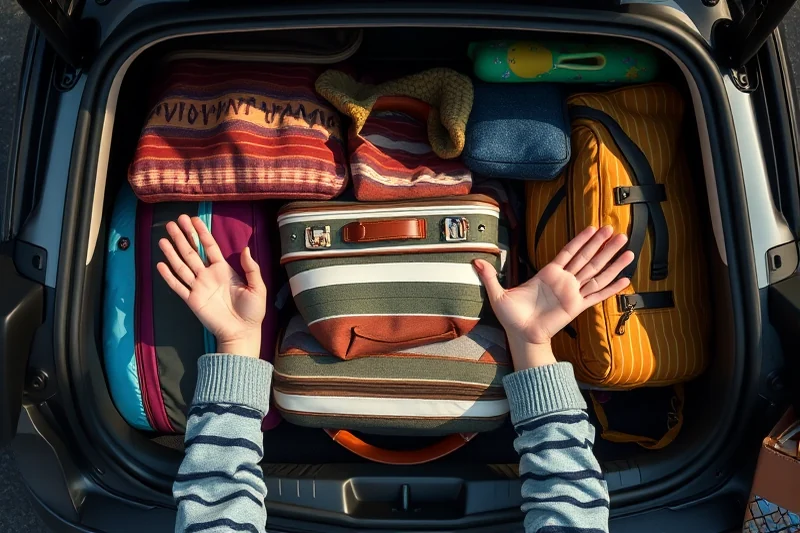
I've made the mistake of trying to cram too many stops into one day, only to end up with a grumpy crew and a stressful afternoon. A better approach is to plan 2-3 stops per day, allowing for breaks, meals, and unexpected delays.
I like to build in 1-2 hours of buffer time between stops, just in case a museum takes longer than expected or a playground has a waitlist. This gives you flexibility without the stress of a rigid schedule.
On a recent trip, we planned two stops per day with a picnic in between — the kids were happy, and I was grateful for the extra time to recharge.
Less is more when it comes to kid-friendly travel.
Related: Children place online shopping
Plan for Rest and Snacks — Always
I always pack snacks in a way that's both convenient and kid-friendly — think pre-cut fruit, sandwiches, and protein bars. I also ensure that there's a rest stop planned after every 2-3 hours of travel or activity.
I've learned that even the most exciting museum can be ruined if the kids are tired or hungry. That's why I always plan for a break or a meal after every major activity.
On a recent trip, we stopped at a local park after visiting a science center — the kids had a chance to run and play. It made the rest of the day much more enjoyable.
Invest in a portable cooler and a snack kit that includes items like cheese sticks, trail mix, and juice boxes. These are easy for kids to grab and keep them energized.
“I'll never forget the first time I watched my daughter's eyes light up at the sight of a dinosaur statue in a small town park.”— Roadsidekids editors
Related: The best kid friendly resorts
Make It Interactive and Engaging

I've found that the most successful kid-friendly stops itineraries routes step by step include interactive activities — like science centers, art museums, or even farm tours. These experiences help kids connect with what they're seeing and learning.
I once visited a planetarium with my kids, and watching the stars rotate overhead was a moment I'll never forget. It was both educational and magical, and they were talking about it for days afterward.
The key is to find stops that offer both entertainment and a touch of education — these are the ones that leave a lasting impression on your kids.
Related: Simple kid friendly stops itineraries routes
Stay Flexible and Adapt as You Go
I've learned that flexibility is one of the most important parts of any travel plan with kids. Weather, traffic, and even the mood of your children can change things on the fly.
Still, I always have a backup plan — like knowing the location of the nearest park or restaurant in case things don't go as expected. This helps me stay calm and focused.
On one trip, we had to change our route due to a road closure, but we ended up discovering a beautiful beach that we wouldn't have seen otherwise. Sometimes, the best memories come from the unexpected.
💰 Budget-Friendly Adventure
Travel within a limited budget by choosing free or low-cost stops, focusing on local parks, museums with free admission, and staying in affordable accommodations.
🚗 Long Weekend Escape
Plan a 3-4 day trip centered around 3-5 key stops, focusing on a mix of educational and fun activities that can be explored in a short time frame.
👶 With Kids in Mind
Curate stops that are specifically designed for children, with activities like interactive exhibits, play areas, and kid-friendly dining options.
🍂 Off-Season Getaway
Visit destinations during the off-peak season for lower prices, fewer crowds, and a more relaxed pace — perfect for families who want to avoid the hustle and bustle.
🏨 Luxury Family Retreat
Opt for high-end accommodations and exclusive experiences, such as private museum tours, guided nature walks, and gourmet kid-friendly meals.
| The mistake | Why it happens | The fix |
|---|---|---|
| Ignoring the kids' needs for rest and snacks. | This can lead to an exhausted and unhappy family. | Plan for regular rest breaks and snack stops — these are essential for keeping your children happy and focused. |
| Overloading the itinerary with too many stops. | This can result in a stressful and overwhelming day for the whole family. | Limit to 2-3 stops per day, with plenty of buffer time between them. |
| Not checking the weather or traffic conditions. | This can cause unexpected delays or make your chosen stops unsafe or inaccessible. | Check the forecast and road conditions before heading out, and be ready to adjust your plans if needed. |
| Not having a backup plan. | If your first choice is unavailable, you might be left with nothing to do or nowhere to go. | Always have a list of alternative stops or activities ready in case of changes in your original plan. |
Related: The best kid friendly all inclusive resorts
Kid Friendly Stops Itineraries Routes Step By Step
Related: Kid friendly stops routes for beginners
Build In Buffer Time for the Unpredictable
When planning a kid-friendly itinerary, it's essential to build in buffer time between stops. Kids can be unpredictable — a sudden meltdown, a change in plans, or even an unexpected delay at a park or attraction can throw your schedule off. I've learned that allocating 30–45 minutes extra between each activity helps ease the stress of unexpected hiccups. This buffer also gives your child time to process transitions, which is especially important if they're tired, bored, or overwhelmed.
One strategy I’ve found useful is to use travel time as a buffer. For instance, if you're driving between two points and the drive takes 20 minutes, you can treat the extra 10–15 minutes as flexible time. This can be used for a quick snack, a pit stop, or even a spontaneous detour if the mood strikes. I've noticed that when kids feel like they have some control over the pace, they’re more cooperative and less resistant to moving on.
Another benefit of buffer time is that it allows you to adjust your itinerary on the fly. If a particular attraction isn’t as engaging as expected, or if a child is exhausted and needs a break, having that extra time means you can pivot without feeling like you’re missing out. I’ve used buffer time to turn a planned museum visit into a picnic in the park, and it ended up being one of the best parts of the trip.
Incorporate Local Flavors Without Overwhelming Palates
When traveling with children, food is often a point of tension, especially when you're exposed to new cuisines or unfamiliar flavors. My approach has been to introduce local foods gradually and with context. For example, instead of diving headfirst into a spicy Thai dish, I might start with a less intense option, like a pad thai or a fruit skewer, and explain the story behind the dish. This makes the experience less intimidating and more educational for kids.
I’ve found that involving kids in the food selection process can make them more open to trying new things. At local markets or food stalls, I let them pick one item they're curious about, and we share it together. This not only makes the experience more interactive but also teaches them to be adventurous. I once had my daughter choose a small plate of Japanese takoyaki, and she was thrilled to try something new with me.
Another tip is to pair new foods with familiar ones. If you're in a place that’s known for bold flavors, like Mexico or India, I recommend starting with a small portion of the local dish and serving it alongside something familiar, like rice or a sandwich. This eases the transition and reduces the likelihood of a food-related meltdown. I've seen this strategy work well in practice, and it's made the difference between a successful meal and a stressful one.
Common Questions
How do I find kid-friendly stops in a new city?
What should I pack for a kid-friendly trip?
How can I keep my kids entertained on long car rides?
What's the best way to manage meal times with kids on the road?
References
- (PDF) Cultural Routes of the Council of Europe - Academia.edu (academia.edu)
- traveler quick guide - University of Alaska System (alaska.edu)
- WanderWays: Transforming trips into experiences (dr.lib.iastate.edu)
Cite this guide
Roadsidekids (2026). Kid Friendly Stops Itineraries Routes Step By Step. https://roadsidekids.com/kid-friendly-stops-itineraries-routes-step-by-step/
Feel free to cite or share this guide.