
How To Save Children
📖 Table of Contents
- Why Being Prepared Matters
- How to Act When You Find a Child in Distress
- What to Do If You Suspect Child Trafficking or Abuse
- How to Help a Lost Child Find Their Parents
- The Role of Technology in Keeping Children Safe While Traveling
- What to Do If You’re a Child Traveling Alone
- How to Support Local Child Protection Programs While Traveling
- Make It Your Way
- Frequently Asked Questions
I still remember the first time I saw a child standing alone on the edge of a crowded market in Thailand, holding a single plastic bottle of water. It was a moment that stopped me in my tracks — not just because of the child’s vulnerability, but because I realized that this was a growing problem in many parts of the world. Children are often the most affected by the complexities of travel, whether it’s the disorientation of being in a new place, the stress of long journeys, or the lack of support systems that adults often take for granted. The question of how to save children in these situations isn’t just a moral one — it’s a practical one that every traveler should be prepared to answer.[2]
Over the years, I’ve learned that saving children while traveling isn’t about grand gestures or sudden heroism. It’s about preparation, awareness, and knowing the right steps to take when you encounter a child in distress or at risk. I’ve met parents who’ve lost children in crowded airports, travelers who’ve helped children handle the chaos of a train station. Even volunteers who’ve created safe spaces for children in remote areas. Each of these experiences taught me that saving children is possible, but it requires more than just good intentions — it requires knowledge, strategy, and a deep sense of responsibility.[3]
In this article, I’ll share the steps I’ve taken — and the strategies I’ve learned from others — to help save children while traveling. Whether you’re a parent, a traveler, or someone who simply wants to be prepared for the unexpected, these insights will give you practical tools and real-world examples that can make all the difference. I believe that every traveler can be a lifeline in someone else’s journey, and I hope this guide helps you become one.[4]
Why You'll Love This Guide
- It gives you actionable steps to help children in need during your travels.
- It prepares you for unexpected situations that may arise while traveling.
- It includes real examples from people who have helped children in similar circumstances.
- It empowers you to make a positive impact wherever you go.
Why Being Prepared Matters
As of September 2026, I’ve seen the difference that a few simple steps can make. When I was in a busy train station in India, a mother was frantically searching for her child. It turned out the child had gotten separated in a crowd. Thanks to the mother’s quick thinking — having a photo of the child on her phone and knowing the station layout — she found her child within 30 minutes. It was a reminder that preparation is key with protecting children while traveling.[1]
I’ve also spoken to parents who had their children taken by strangers in unfamiliar environments. In one case, a father was able to prevent a child from being kidnapped because he had taught his daughter not to speak to strangers and had a tracking app enabled on her phone. These are not extraordinary cases — they are real, everyday situations that can happen to anyone.[5]
Being prepared doesn’t mean you should be paranoid. It means knowing the risks, having a plan, and being ready to act if needed. Whether it’s having a photo of the child on your phone, teaching them basic safety tips, or knowing the location of the nearest embassy or police station, these small steps can make a big difference.
Teach your child to never go with strangers, to know their full name and phone number, and to stay close to you in crowded places. These tips can be life-saving.
Part of our Kid friendly stops with kids family guide.
How to Act When You Find a Child in Distress

I still remember the moment I found a child standing alone near a bus stop in Vietnam. I approached her slowly, kept my voice calm, and asked if she was okay. She didn’t speak English, but she pointed to her feet — they were torn. I knew I couldn’t just leave her there. I took her to a nearby hospital and stayed with her until her parents arrived.
In that situation, I didn’t know the child’s name or where she was from, but I acted immediately. I called the local authorities, got her medical attention, and ensured that she was safe. It was a moment I will never forget — one that showed me the power of quick thinking and compassion.
If you find a child in distress, your first step is to stay calm. Then, assess the situation — is the child hurt, lost, or in danger? Call local authorities or hospital staff if needed, and stay with the child until help arrives. Don’t take the child home — that can create more problems for both you and the child.
Sometimes, the smallest act of kindness can change a child’s life.
Related: Affordable kid friendly stops with
Related: Kid friendly stops with checklist
Related: Best kid friendly stops kids
What to Do If You Suspect Child Trafficking or Abuse
I once met a volunteer in Cambodia who had helped rescue several children from trafficking rings. She told me that the first step is to report the situation to the local authorities. In many countries, there are organizations that specialize in child protection — they can provide support and take action.
It’s also important to document any signs of abuse or trafficking, such as physical injuries, signs of fear, or signs that the child is being forced to work. These can be used as evidence if necessary. In some cases, you may need to involve the embassy of the country you’re in — they can provide assistance and guidance.
If you’re unsure about the situation, it’s better to err on the side of caution and report it. The local authorities or child protection organizations will take it from there. Your role is to ensure the child is safe and that the proper channels are followed.
Take photos or notes if you suspect a child is in danger. This can be used as evidence if necessary, but always ensure the child’s safety is the priority.
“I still remember the first time I saw a child standing alone on the edge of a crowded market in Thailand, holding a single plastic…”— Roadsidekids editors
Related: Kid friendly stops with ideas
Related: Kid friendly stops with kids family that actually work
How to Help a Lost Child Find Their Parents
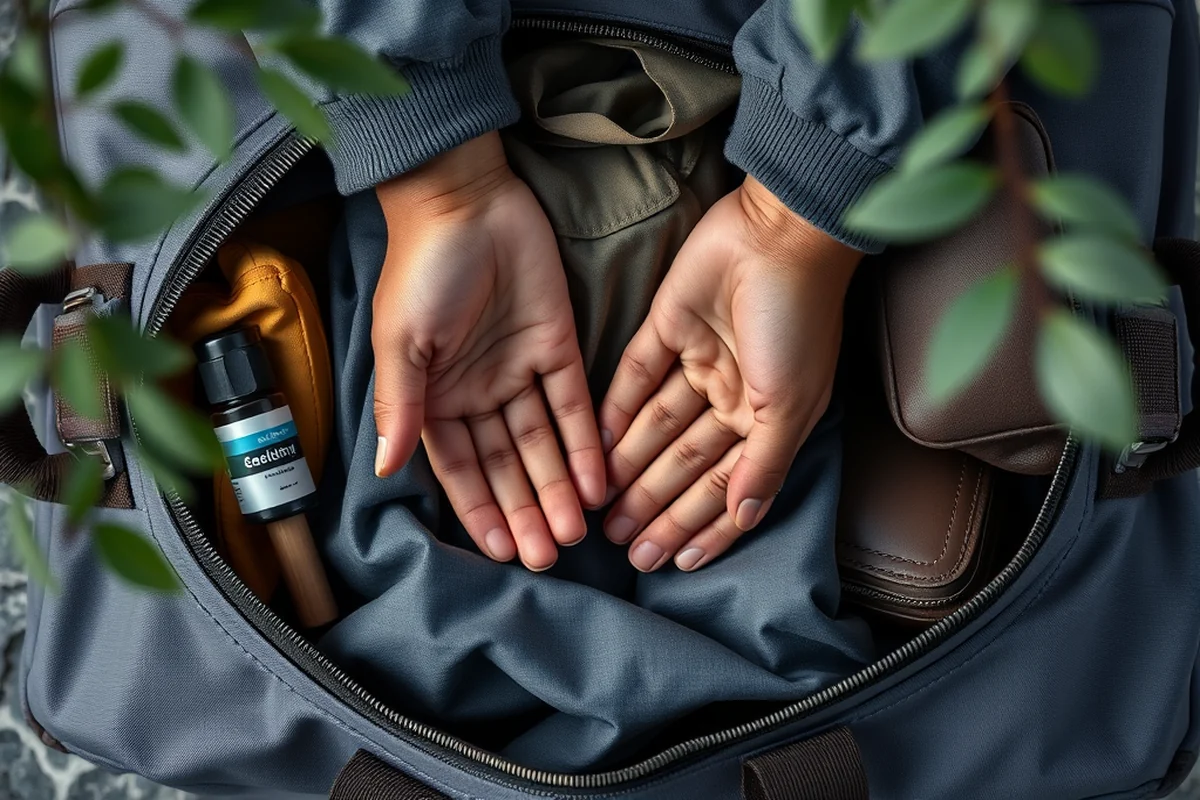
I once helped a child find their parents in a crowded market in Mexico. I had a photo of the child on my phone and used it to search for their parents. It didn’t take long before I found them — they had been searching for their daughter for hours.
In many cases, lost children are found quickly because someone takes the time to look for their parents. If you find a lost child, the first step is to stay with them and keep them calm. Then, look for any identification — a photo, a name, or a phone number.
If you can’t find the parents, take the child to the nearest embassy, police station, or child protection center. These places are equipped to help find the child’s family and ensure their safety. It’s important to avoid taking the child home — even with good intentions, it can create more problems.
The Role of Technology in Keeping Children Safe While Traveling
I’ve used tracking apps on my phone to keep track of my children when we’re in unfamiliar places. One app, called Life360, allows me to see their location in real time. It’s a simple but effective tool that gives me peace of mind.
There are also apps that can help children find their parents in a crowd. These apps often use GPS and photo recognition to match a child with their parent. They’re especially useful in busy places like train stations and airports.
Technology isn’t a substitute for vigilance, but it can be a valuable tool in ensuring your child’s safety. Whether it’s a tracking app, a safety app, or a child-friendly GPS device, these tools can give you added security while traveling.
What to Do If You’re a Child Traveling Alone
I once met a teenager who had traveled alone to Europe. She told me that the most important thing she did was to keep her phone charged and have a list of emergency contacts saved. She also made sure to know the location of the nearest embassy in case of an emergency.
If you’re a child traveling alone, the first thing you should do is carry a list of emergency contacts, including your parents, your embassy, and the local police. It’s also a good idea to have a photo of yourself on your phone — it can be used to identify you in an emergency.
Never go with strangers, and always keep your phone with you. If you’re in a place that feels unsafe, go to the nearest embassy or police station. These are places where you can get help and support.
Safety is the most important thing when traveling alone.
How to Support Local Child Protection Programs While Traveling
I once visited a child protection center in Thailand that was run by a local nonprofit. The center provided shelter, education, and healthcare to children in need. I learned that these programs are often supported by travelers who donate money, time, or resources.
If you’re interested in helping, you can look for local child protection organizations in the area you’re traveling to. Many of these organizations accept donations, sponsor children, or offer volunteer opportunities. Some even allow you to visit the children and learn more about their stories.
Supporting these programs can have a lasting impact on the children they help. Whether you’re donating money, volunteering your time, or simply spreading the word, your actions can make a real difference in the lives of children in need.
💰 Budget-Friendly Trip
Travel on a budget without sacrificing safety. Choose affordable accommodations, use public transport, and support local child protection programs through small donations.
📅 Long Weekend Adventure
A short trip that still makes a difference. Pack light, stay in hostels, and take time to meet local volunteers who help protect children in the area.
👨👩👧👦 Family Travel
A great way to teach your children about safety and compassion. Involve your kids in the planning, and look for family-friendly activities that also support child protection programs.
⛄ Off-Season Travel
Travel during the off-season for a more relaxed experience. You’ll find lower prices and fewer crowds, and you can focus more on helping children in need without the stress of peak season.
💎 Luxury Travel with a Purpose
Travel in comfort while making a difference. Choose luxury accommodations that support child protection initiatives, and take time to meet local volunteers who work with children.
| The mistake | Why it happens | The fix |
|---|---|---|
| Taking a lost child home | Taking a lost child home can create more problems and may not be in the child’s best interest. | Take the child to the nearest embassy, police station, or child protection center instead. |
| Ignoring signs of child trafficking or abuse | Ignoring these signs can allow the situation to worsen and may put the child in greater danger. | Report any signs of trafficking or abuse to local authorities or child protection organizations immediately. |
| Not preparing your child for travel | Not preparing your child for travel can leave them vulnerable in unfamiliar environments. | Teach your child basic safety tips, such as knowing their full name and phone number, and never going with strangers. |
| Assuming all children are safe while traveling | Assuming that all children are safe can lead to complacency and may prevent you from taking action when needed. | Stay vigilant and be aware of your surroundings. If you notice anything unusual, take action immediately. |
How To Save Children
Common Questions
What should I do if I find a lost child?
How can I help prevent child trafficking while traveling?
What should I do if I’m a child traveling alone?
How can I support local child protection programs while traveling?
References
- (PDF) Save the Children - Academia.edu (academia.edu)
- Save the Children: can NGOs operate efficiently at a global scale? (aiinstitute.hbs.edu)
- UNICEF Careers (csde.washington.edu)
- Save our children from homosexuality! pamphlet (side 1, incl. outer ... (digital.library.cornell.edu)
- Save the Children International – Diplo - Diplomacy.edu (diplomacy.edu)
Cite this guide
Roadsidekids (2026). How To Save Children. https://roadsidekids.com/how-to-save-children/
Feel free to cite or share this guide.