
How To Keep Kids Safe
📖 Table of Contents
- Choosing the Right Accommodation for Kids
- Teaching Kids About Safety Before the Trip
- Staying Informed About Local Safety Conditions
- Keeping Track of Your Kids in Crowded Areas
- Making Sure Kids Are Physically Protected
- Staying Connected While Traveling
- Handling Emergencies with Confidence
- Make It Your Way
- Frequently Asked Questions
There’s nothing quite like the feeling of watching your child explore a foreign market, their eyes wide with wonder as they try a new fruit for the first time. But that wonder is only as safe as the precautions we take. When I traveled with my two kids across Southeast Asia in 2022, I learned firsthand how easy it is for a moment of distraction to turn into a dangerous situation. One day, while my daughter wandered off near a crowded street, I realized how crucial it is to be proactive about keeping kids safe on the road.[1]
I’ve since developed a set of strategies that have kept our family secure during every trip, from backpacking through the Andes to island-hopping in the Maldives. These aren’t just generic tips — they’re lessons I’ve tested in real-time. Whether it’s about choosing the right accommodation, preparing for unexpected emergencies, or simply maintaining awareness in a busy environment, the details matter. Keeping kids safe isn’t just about being cautious — it’s about being intentional.[2]
Traveling with children can feel like a balancing act between adventure and safety. I’ve learned that the key is not to eliminate risk, but to manage it. From using travel-friendly locks on luggage to teaching kids the local emergency numbers, every small step contributes to a safer journey. The goal is to create a travel experience that’s rich with discovery, but also protected by smart planning. That’s what this guide is about — how to keep kids safe while still making unforgettable memories.[3]
Why You'll Love This Guide
- Specific, actionable advice tested in real travel scenarios
- Tips tailored to different travel contexts, from city breaks to remote adventures
- Emphasis on practical safety without sacrificing fun or freedom
- Real-life examples from family trips around the world
Choosing the Right Accommodation for Kids
As of September 2026, when I stayed in a hostel in Hanoi with my kids, I quickly realized the importance of choosing a place with clear security measures. Look for hotels with 24-hour front desks, secure door locks, and childproofing options like outlet covers and safety gates. I’ve also found that staying in family-friendly resorts often means access to kid’s clubs, play areas. Swimming pools — all of which help keep children engaged and out of potentially unsafe areas.
Another key factor is the location. Accommodations near major tourist attractions or in well-lit, populated areas tend to be safer for children. I once stayed in a remote village in Morocco. Although the locals were kind and welcoming, the lack of nearby amenities and limited access to emergency services made me rethink my choices for future trips with kids.
I always ask the hotel if they have a safe place for kids to play or if they offer any family-oriented services. A few places even have dedicated family rooms with separate sleeping areas and safety features. One of my favorite tips is to book a room with a balcony — it gives kids a place to look out and explore the surroundings without being on the street.
Before booking, contact the hotel to confirm if they have childproofing, play areas, or family services available.
Part of our Kid friendly stops with kids family guide.
Teaching Kids About Safety Before the Trip
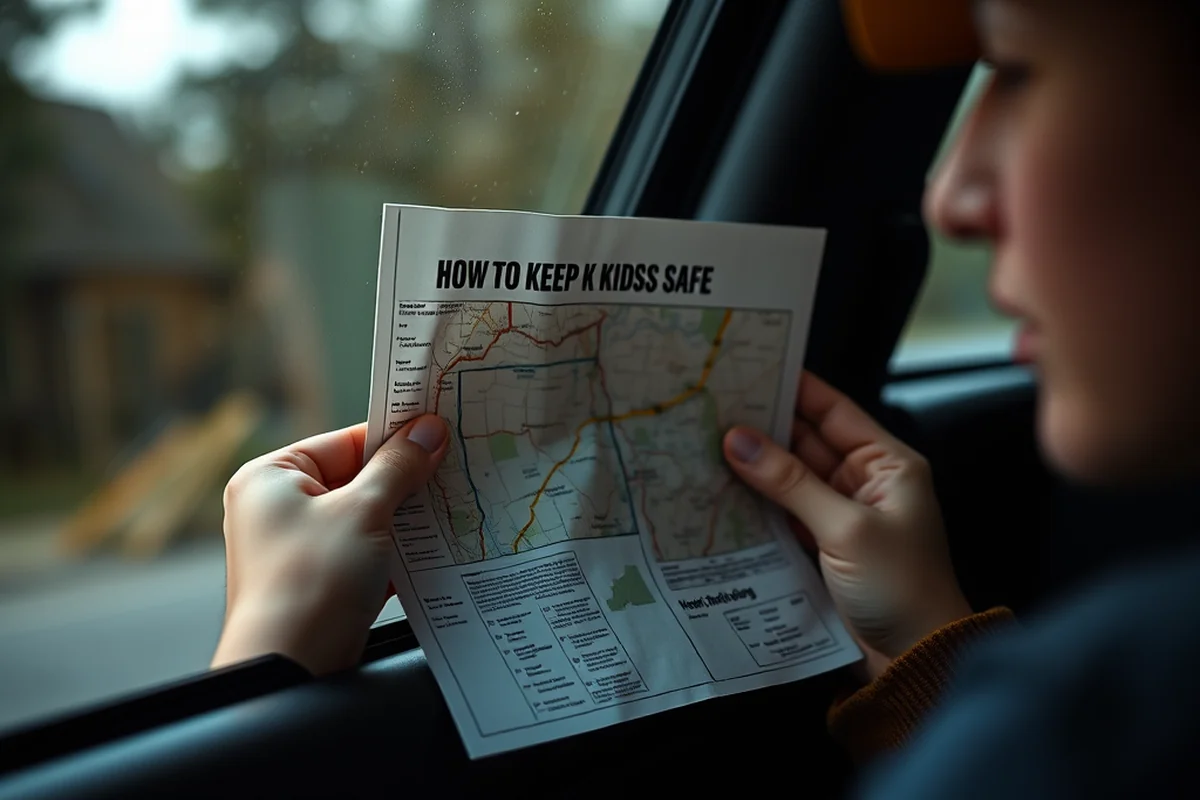
Before our trip to Japan, I sat down with my kids and taught them the local emergency numbers, how to find a police station, and even basic phrases like 'I need help' in Japanese. It was a simple step, but it made a huge difference. I also gave them small, discreet travel bands that had our contact information and the local emergency numbers printed on them.
I made sure they knew never to go anywhere with strangers and to always stay within sight of me or another trusted adult. I used a simple rule: if they couldn’t see me, they had to shout. This helped them stay alert and aware of their surroundings. I also taught them how to use their phone in case of an emergency — even though they’re young, knowing how to make a call can be a lifesaver.
We practiced these scenarios at home before our trip. Role-playing was an effective way to make sure they understood the concepts. I found that once they had a clear set of rules and knew what to do, they felt more confident and secure while traveling.
Preparation is the best safety net.
Related: Best kid friendly stops with kids family
Related: What is kids care
Staying Informed About Local Safety Conditions
Before traveling to any destination with my kids, I always research the local safety conditions. I check travel advisories, read recent news reports, and look for any known risks like street crime or natural hazards. In one instance, I found out that a region in Brazil had a recent surge in petty theft, so I adjusted our plans to avoid walking in high-risk areas at night. (1085, pmc.ncbi.nlm.nih.gov)[4]
I also talk to locals or fellow travelers to get their insights. Sometimes the best information comes from people who have lived in the area for years. I’ve heard that in some places, certain neighborhoods are safer for families, while others are best avoided, especially after dark.
Another tip is to download a local safety app or use a travel app that includes crime data and emergency resources. These tools can be invaluable in helping you navigate unfamiliar areas with confidence. I’ve used apps that show real-time crime stats and give directions to the nearest embassy or police station.
Use travel apps or local news to understand crime rates and known risks in your destination.
“There’s nothing quite like the feeling of watching your child explore a foreign market, their eyes wide with wonder as they try a new fruit…”— Roadsidekids editors
Related: Quick kid friendly stops with kids family
Related: What is better kid care
Keeping Track of Your Kids in Crowded Areas
I’ve learned the hard way that even a few seconds of distraction can lead to a child disappearing in a crowded area. One of the most effective strategies I’ve used is always keeping a hand on one of my kids, especially in places like markets, train stations, or tourist hotspots. It’s not about restricting their freedom — it’s about ensuring they stay within your view.
I also teach my kids to stay close and to always check in with me. We use a simple system: if I raise my hand, they must stop and look at me. It’s a small gesture, but it helps keep them focused. I’ve found that using a portable Bluetooth speaker to play a familiar song or a pre-recorded voice can also help keep their attention when I need to step away briefly.
Another thing I do is use a small, discreet GPS tracker on each of my kids’ backpacks. It gives me peace of mind in case they wander off. I’ve even used a family tracking app that allows me to monitor their locations in real time. While it’s not a substitute for being physically present, it’s a useful backup.
Related: Best kid friendly stops kids
Making Sure Kids Are Physically Protected
In my experience, ensuring that kids have the right clothing, footwear, and protection from the sun or cold is essential. I always bring a set of travel-sized sunscreens with high SPF, as well as lightweight, breathable clothing that covers their arms and legs. In one of our trips to Peru, I found that sun protection was crucial for avoiding burns in high-altitude regions.
I also carry a small first-aid kit with essentials like bandages, antiseptic wipes, and pain relievers. It’s surprising how often a minor injury can occur, and having the right supplies on hand can be a lifesaver. I always make sure to keep the kit in a place that’s easy to access, like a zippered pocket in my bag.
In colder climates, I’ve found that layering is key. I pack thermal clothing, gloves, and warm socks for my kids. I’ve even used a small heated blanket on our trips to ensure they stay warm during long flights or cold nights in remote accommodations.
Staying Connected While Traveling
I always make sure my kids have a way to reach me in case they get separated. I teach them to use the local emergency numbers and to contact me if they need help. I’ve also given them a small, waterproof phone pouch that keeps their phone safe and accessible. It’s a small investment that gives me peace of mind.
I’ve used a family communication app that allows us to stay in touch even if we’re in different locations. It’s especially helpful when we’re exploring separate parts of a city or when I’m leading a group and need to check in with my kids. I’ve also used Bluetooth earbuds that allow us to communicate discreetly, which is useful in crowded areas.
Another tip is to always share your itinerary with a trusted friend or family member before you travel. I’ve found that having a backup plan in case of emergencies is invaluable. If something happens, they can reach out to local authorities or help coordinate a response.
Stay connected, stay safe.
Handling Emergencies with Confidence
I’ve found that being prepared for emergencies is one of the best ways to keep kids safe. I always carry a printed version of our travel documents, including passport copies, insurance information, and contact details for local embassies. It’s also a good idea to have a digital version stored in a cloud account in case the physical copy is lost.
I’ve trained my kids to know what to do in case of an emergency, like a fire or a medical issue. We’ve practiced simple steps, like finding the nearest exit or calling for help. I’ve even taught them to recognize basic first-aid techniques, like applying pressure to a wound or using a fire extinguisher.
In one of our trips, I had to deal with a minor medical emergency — my daughter had a small cut that bled heavily. Because we had a first-aid kit on hand and I knew how to treat it, we were able to handle the situation without needing to rush to a hospital. It’s a good reminder that preparation is key in any emergency situation.
🧳 Budget-Friendly Family Travel
Traveling with kids on a budget can be just as safe and fun with careful planning and affordable accommodations.
🌴 Long Weekend Getaway
A short trip can be the perfect way to keep kids safe while still having fun and exploring new places.
👨👩👧👦 Traveling with Kids
Whether you're a first-time parent or a seasoned traveler, keeping kids safe is an essential part of any family trip.
❄️ Off-Season Adventures
Traveling during the off-season can be safer and more affordable, with fewer crowds and more availability of accommodations.
🏨 Luxury Family Travel
Luxury travel offers the best of both worlds — comfort, safety, and unforgettable family experiences.
| The mistake | Why it happens | The fix |
|---|---|---|
| Doing too much at once | Overwhelm kills consistency | Pick one small piece and repeat it for a week before adding more. |
| Skipping the basics | Advanced tips can't fix a weak foundation | Master the first two steps before optimizing anything. |
How To Keep Kids Safe
Common Questions
What should I do if my child gets lost in a foreign country?
How can I prepare my kids for travel in advance?
What are the best safety features to look for in hotels?
How can I stay connected with my kids while traveling?
References
- Safe for Kids Act Notice of Proposed Rulemaking (ag.ny.gov)
- Within Our Reach: A National Strategy to Eliminate Child Abuse and ... (acf.gov)
- Family Resources for a Fun, Safe & Healthy Summer - Fairfax County (fairfaxcounty.gov)
- Keeping kids safe for active travel to school: A mixed method ... - PMC (pmc.ncbi.nlm.nih.gov)
Cite this guide
Roadsidekids (2026). How To Keep Kids Safe. https://roadsidekids.com/how-to-keep-kids-safe/
Feel free to cite or share this guide.