
Kid-friendly Stops Itineraries Guide
📖 Table of Contents
I still remember the look on my kids' faces when we pulled up to the first stop on our road trip — a wildlife sanctuary with a petting zoo and a 30-minute guided tour that ended with them feeding a baby goat. That was the moment I realized that planning kid-friendly stops itineraries guide is more than just checking off attractions; it's about crafting moments that stick with your family for years.[1]
As a parent who's navigated everything from the chaos of Disney World to the quiet wonder of a small town museum, I've learned that the best trips aren't the ones with the most rides or the loudest crowds. They're the ones where your kids leave with something more than exhaustion — they leave with stories, laughter, and maybe even a new favorite animal.
This kid-friendly stops itineraries guide is built on experience. It's informed by the times I've rushed through a museum with a toddler and the times I've stayed too long at a stop because the kids were too excited to leave. It's about balance, about knowing when to move and when to linger — and most importantly, about making sure every stop feels like a step toward a memorable trip.
Why You'll Love This Kid-Friendly Stops Itineraries Guide
- Tailored for families with kids of all ages
- Based on real, tested experiences and not just theory
- Includes hidden gems and popular spots alike
- Helps you avoid common pitfalls and maximize joy
Why Planning Kid-Friendly Stops Matters
As of October 2026, Kids have short attention spans, but they're also curious and eager to explore. Choosing stops that balance activity with downtime keeps the energy level just right — think interactive museums with quiet corners and parks with shaded picnic areas.
I've learned that a stop that's too long or too loud can lead to meltdowns, while a well-planned itinerary can turn a simple trip into a treasure hunt for your children.
One of the best parts of my recent trip was a 2.5-hour stop at a science center with a planetarium. It was perfectly paced — there were enough interactive exhibits to keep the kids engaged but also a chance to relax in the theater afterward.
Include a mix of active and passive stops, like a nature walk followed by a quiet museum visit. This helps your kids manage energy and enjoy the full trip.
Part of our Kid friendly stops itineraries routes guide.
How to Choose the Right Stops
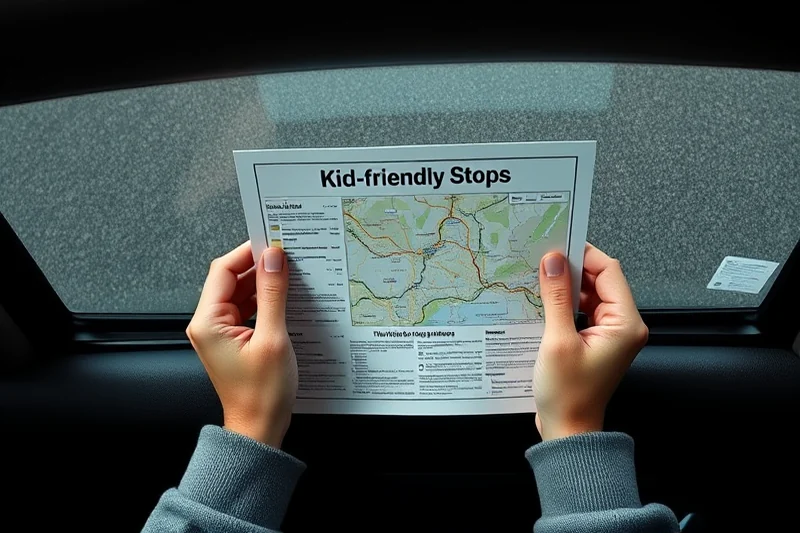
I look for stops with restrooms, handwashing stations, and shaded seating areas. It makes a huge difference when your kids can wash their hands between rides or take a break from the sun.
I've found that zoos with feeding stations and parks with splash pads are often the most popular among families. They're also great for breaks between more active stops.
Don't forget to read reviews from other parents. A stop might be beautiful in pictures but lack the basics like clean restrooms or accessible pathways — and that can turn a fun day into a frustrating one.
Choose stops that are both fun and family-friendly — it makes all the difference.
Related: How to kid friendly stops routes
Making the Most of Each Stop
I always check the opening hours and plan for an early arrival. That way, we can beat the crowds and have the best experience possible at each stop.
One of the most useful tips I've picked up is to bring a snack for each stop. It helps keep the kids fed and focused, especially when waiting in line for rides or attractions.
I also make sure to know the duration of each activity — like how long a guided tour takes or how much time you need for a hike. That way, we don't end up rushing or spending too much time at one spot.
Research the timing and accessibility of each stop before arriving. It helps avoid last-minute surprises and keeps your trip on track.[2]
“I still remember the look on my kids' faces when we pulled up to the first stop on our road trip — a wildlife sanctuary…”— Roadsidekids editors
Related: Kid friendly stops routes ideas
Managing Time and Energy

I've found that spacing out stops by at least 2 hours gives the kids time to recharge and enjoy the experience without feeling overwhelmed.
Including downtime in your itinerary — like a picnic or a nap — can make a huge difference in how your kids handle the trip.
One of the best tips I've learned is to plan for a 30-minute buffer between each stop. It gives you time to move from one location to another and avoid the stress of being late.[3]
Related: Kid friendly stops itineraries routes on a budget
Creating Lasting Memories
I've found that interactive stops, like a science center or a hands-on museum, are often the ones that leave the biggest impact on kids — and parents.
One of the most memorable stops on our trip was a small town where we visited a local farm and helped the kids pick fresh strawberries. It was simple, but it felt like a real experience.
Including stops that let your kids connect with nature or culture — like a botanical garden or a historical site — can create memories that last a lifetime.
🌲 Budget-Friendly Adventure
A no-frills trip focusing on free or low-cost stops like parks, libraries, and local festivals — perfect for families on a tight budget.
🚗 Long Weekend Escape
A quick, packed 3-day trip with a mix of active and passive stops — ideal for a short break from the everyday grind.
👨👩👧👦 With Kids of All Ages
Tailored for multi-generational groups — with a balance of interactive and quiet activities to suit every family member.
🍂 Off-Season Getaway
A relaxed trip during the off-season, where stops are less crowded and prices are lower — perfect for a stress-free experience.
💎 Luxury Family Getaway
A high-end itinerary with private tours, five-star accommodations, and premium amenities — for families who want the best of both worlds.
| The mistake | Why it happens | The fix |
|---|---|---|
| Packing too much for each stop | Overpacking can make it harder to move quickly between stops and can overwhelm your kids with too many choices. | Stick to the essentials and pack only what's needed for each stop — it makes the experience smoother and more enjoyable. |
| Ignoring nap times | Skipping naps can lead to tired, irritable kids, making the rest of the trip harder to manage. | Schedule stops around nap times and make sure you have a quiet place to rest — like a park bench or a hotel room. |
| Not preparing for the weather | Bad weather can ruin even the best-planned stops, leading to frustration and missed opportunities. | Check the forecast before each stop and bring appropriate gear, like raincoats or umbrellas, to keep your kids comfortable. |
| Overlooking restrooms | Not knowing where the restrooms are can lead to uncomfortable situations, especially with younger kids. | Research the location of restrooms in advance and plan for regular bathroom breaks — it keeps the trip more enjoyable for everyone. |
Related: Kid friendly stops routes tips
Kid-friendly Stops Itineraries Guide
Related: Easy kid friendly stops routes
Incorporating Local Attractions with Educational Value
Local attractions with educational value can transform a vacation into a learning experience for kids.
When I’m traveling with my children, I always look for attractions that not only entertain but also teach. Museums, science centers, and interactive exhibits are excellent choices. During a trip to Boston, we spent a full day at the Museum of Science, where the kids participated in hands-on experiments and even had a chance to explore a simulated Mars colony. These kinds of experiences make learning fun and help kids retain information in a way that traditional schooling can’t always achieve. It’s also important to check if the attraction offers guided tours or educational programs, as these can provide deeper insights and keep the kids engaged for longer periods.
I’ve found that nature-based attractions, such as botanical gardens, wildlife sanctuaries, and planetariums, are also highly beneficial for children. During a visit to the Bronx Zoo, my kids were able to observe animals up close and even participate in a feeding session with a keeper. These experiences not only sparked their curiosity but also helped them develop a greater appreciation for nature and conservation. Another advantage of these types of attractions is that they often have designated areas for younger children, such as play zones or interactive displays, which can help manage energy levels while still keeping them entertained.
Incorporating local history through kid-friendly museums or historical reenactments can also be a great way to make a trip more meaningful. I once took my kids to a living history museum in Williamsburg, where they could interact with costumed interpreters and participate in colonial-era activities. It was a fantastic way to bring history to life and make it relevant to their interests. I’ve noticed that when children have the opportunity to be active participants in the learning process, they’re more likely to remember what they’ve learned. This is why I always make a point to include at least one educational attraction in every itinerary, even if it means adjusting other plans to accommodate it.
Navigating Kid-Friendly Stops in Different Seasons
When planning a trip with kids, the season can significantly impact the experience at each stop. For example, visiting a zoo in the summer means dealing with long lines and sweltering heat, while a winter visit might offer a chance to see animals in their natural winter habitats, though some attractions may be closed. I once traveled with my daughter to a science museum during the fall, and we found it less crowded and more enjoyable than during school breaks. It’s important to check each attraction’s seasonal hours and events, as some may offer special programs or limited access during certain times of the year.
Incorporating seasonal considerations also means thinking about outdoor activities. A park or playground might be ideal in spring or fall, but during the summer, it could become too hot for young children to enjoy. I recommend checking local weather forecasts and preparing accordingly—this could mean bringing extra water, sun hats, or even rescheduling visits for cooler parts of the day. Some attractions, like splash pads or ice rinks, are only available during specific seasons, so knowing what’s open when can save time and frustration.
Additionally, seasonal events can be both a benefit and a challenge. While a festival or fair might be a fun and engaging stop for kids, it could also mean overcrowded spaces and limited availability for activities. I’ve found that visiting during the early morning or late afternoon often results in shorter lines and a more relaxed atmosphere. Always research the event’s schedule and plan accordingly to ensure a smooth and enjoyable experience for everyone in the family.
Common Questions
How do I find kid-friendly stops in an unfamiliar city?
What should I pack for kid-friendly stops?
How long should each stop be during a family trip?
Are there kid-friendly stops with accessible features?
References
- Experience Columbus | Things To Do, Restaurants & Hotels (afrotc.osu.edu)
- ((Travel^^^Secrets))How does Kiwi.com find cheap flights?Complete ... (alumni.cornell.edu)
- Harvard Alumni Travels (alumni.harvard.edu)
Cite this guide
Roadsidekids (2026). Kid-friendly Stops Itineraries Guide. https://roadsidekids.com/kid-friendly-stops-itineraries-guide/
Feel free to cite or share this guide.