
Pbs Kids Program Break
📖 Table of Contents
I'll never forget the moment I stumbled upon a hidden trail in the middle of a bustling city — a narrow path that led to a quiet pocket of nature, complete with a treehouse and a view of the skyline. It was a spontaneous discovery, but it reminded me of the kind of magic that happens when we let go of rigid itineraries and let the journey guide us. This is the spirit behind the PBS Kids Program Break — an approach to travel that blends adventure, education, and family fun in a way that feels effortless and deeply rewarding.[1]
The PBS Kids Program Break isn't just a trip; it's a curated experience designed for families to explore new places with a mix of curiosity and comfort. I remember one particular trip where we stopped at a small museum in the early morning, then spent the afternoon biking through a nearby trail. Ended the day with a picnic by the river. It wasn't perfect, but it was real — and that's what made it unforgettable.[2]
Whether you're a first-time traveler or a seasoned explorer, the PBS Kids Program Break offers a unique way to experience the world. I've tested it with my own family. What I found was that the most memorable moments often came from the unplanned detours — like the spontaneous visit to a local market or the unexpected conversation with a shopkeeper who had lived in the area for decades.[3]
Why You'll Love This Travel Approach
- Balances structured exploration with spontaneous discovery
- Encourages learning and connection through shared experiences
- Offers flexibility for families with different needs
- Creates opportunities for meaningful, off-the-beaten-path interactions
The Value of a Flexible Itinerary
As of September 2026, Traveling without a rigid schedule gives families the freedom to respond to what excites them in the moment. I remember one trip where we had a morning planned at a science museum. When a local guide invited us to join a nature walk nearby, we chose to swap the museum for the walk. The experience turned out to be more engaging and memorable than anything we could have planned.[4]
This kind of flexibility also helps families manage tiredness and energy levels. On a recent trip, we found that by allowing ourselves to take a day off from structured activities, we ended up spending more time with each other — simply walking around the city, trying new cafes. Talking about our favorite parts of the trip.
What’s more, it opens the door to spontaneous opportunities, like meeting a local artist or joining a community event. These unplanned moments often become the highlights of the trip, creating memories that are more personal and meaningful.
Build at least one or two open days into your trip, and be ready to pivot when the opportunity arises.
Part of our Kid friendly stops guide.
The Power of Local Connections
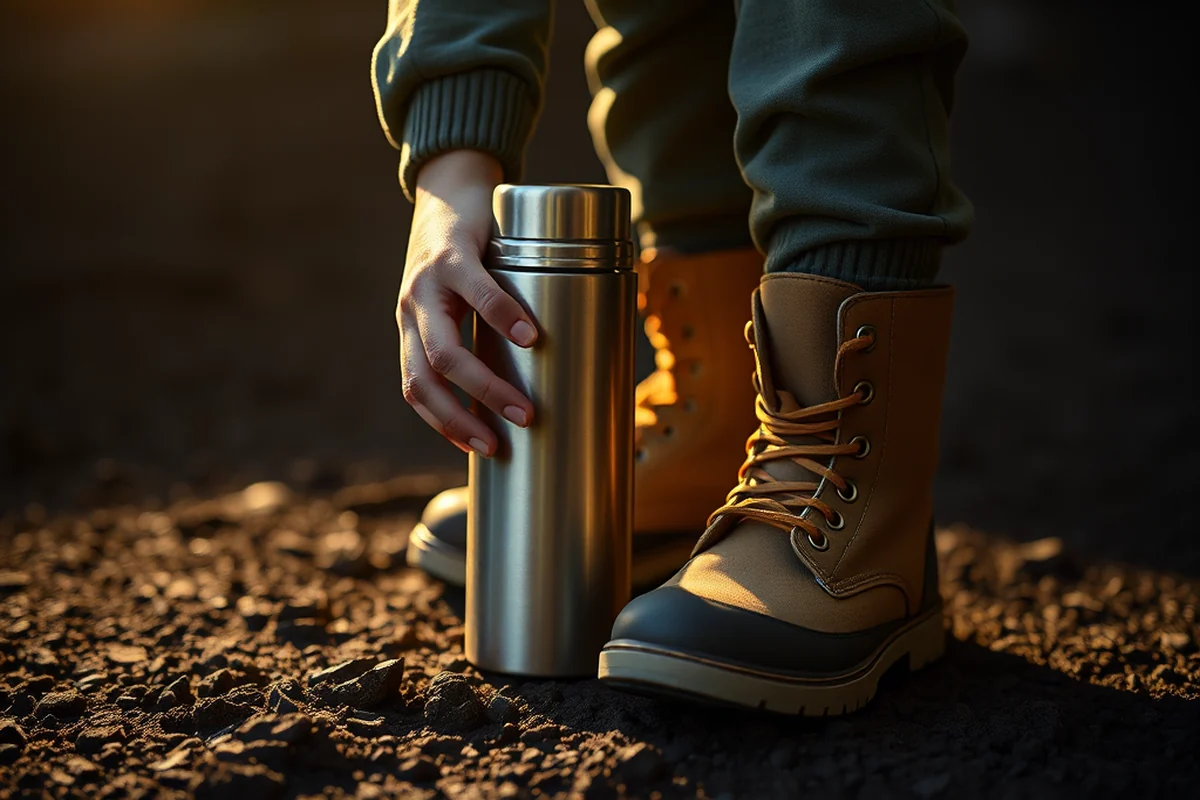
One of the most rewarding aspects of the PBS Kids Program Break is the opportunity to interact with local people. I remember being invited to a family's home for a small meal in a city I had only been to for a few days. That kind of connection is rare in modern travel and can make the difference between a good trip and a truly unforgettable one.
These interactions often happen naturally when you're not focused on ticking off a list of attractions. When I was in a coastal town, I struck up a conversation with a fisherman at the dock. He ended up giving me a tour of the area and even showing me where the best sunsets were.
The deeper you go into a place, the more you begin to understand its rhythm and character. These moments don’t just enrich the trip — they make it feel like a real, living experience.
The best travel memories are made when you open yourself to the unexpected.
Related: The children city
Learning Through Adventure
The PBS Kids Program Break encourages learning through doing. Whether it's a hike through a forest, a visit to a local workshop, or a simple walk through a neighborhood, these experiences teach children (and adults) about the world in a way that books never could.
I remember taking my kids to a pottery studio where we made our own mugs. It was a hands-on way for them to learn about a different culture, and it sparked a conversation about the history of pottery in that region. These kinds of experiences are far more engaging than any museum exhibit.
Adventure-based learning also helps build confidence and curiosity. When I took my daughter on a short hike, she asked questions about the plants and animals we saw — questions that we could answer in real time, not just from a textbook.
Look for activities that let you engage with the local culture in a meaningful way, such as crafts, cooking classes, or guided walks.
“I'll never forget the moment I stumbled upon a hidden trail in the middle of a bustling city — a narrow path that led to…”— Roadsidekids editors
Related: Babysitting jobs for teens
The Importance of Rest and Reflection
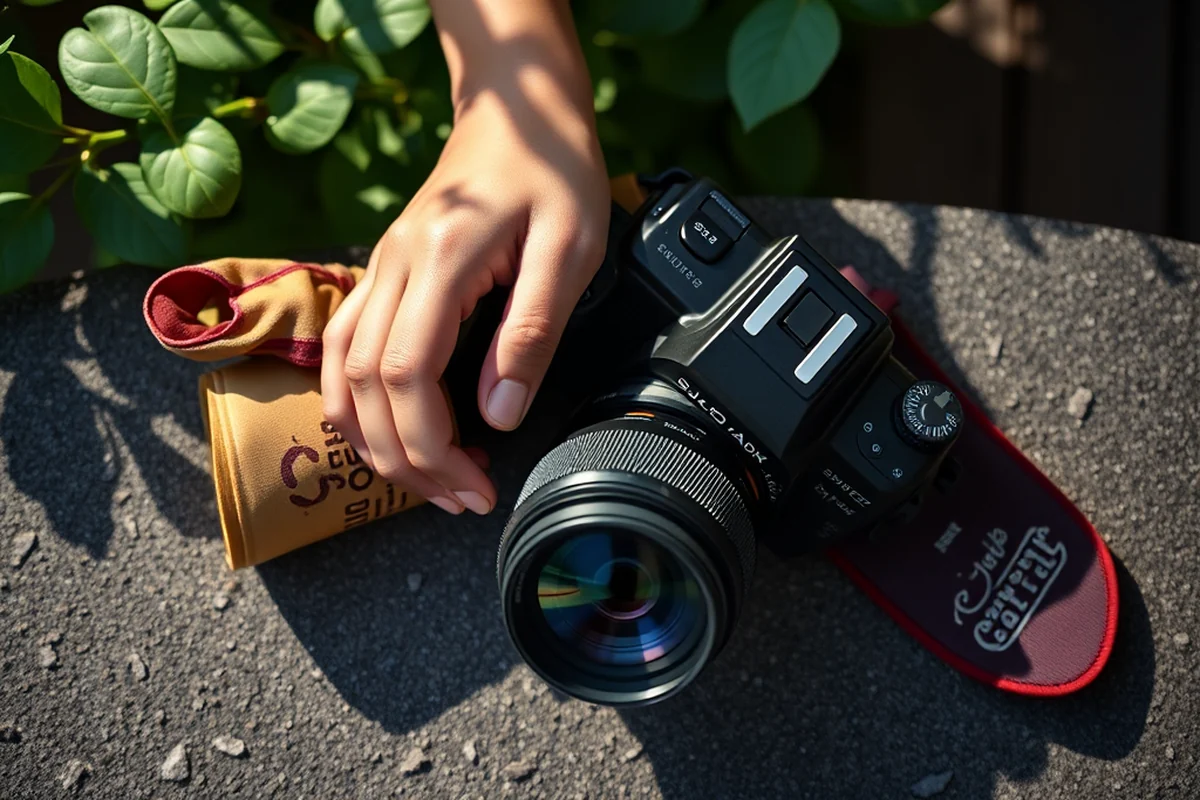
In our fast-paced lives, we often forget the importance of rest. But on the PBS Kids Program Break, I found that allowing time for reflection was just as important as any activity. One of the most powerful moments on a recent trip was when we sat by a lake for an hour, doing nothing but watching the water and listening to the birds.
Rest doesn’t mean inactivity — it means allowing yourself to be present. I remember how my kids became more observant and engaged when we didn't have a packed schedule to follow. They noticed things they wouldn't have if they were constantly on the move.
Taking time to rest helps you see a place more deeply. It gives you space to process what you've seen and experienced, creating a more meaningful connection to the destination.
Related: What is kid friendly movies
Making the Most of Limited Time
I've done the PBS Kids Program Break on a short trip lasting just four days, and it was more than enough time to create a meaningful experience. The key is to focus on quality over quantity — choosing a few meaningful activities and experiences that align with your interests.
On one such trip, we visited three different neighborhoods, each with its own character and charm. We didn't do anything elaborate — just walked around, talked to locals, and enjoyed simple meals at small cafes. The trip was rich in experience, but not in complexity.
The real magic happens when you make the most of the time you have, even if it's limited. It's about being present, curious, and open to the unexpected.
Related: Best kid movies of all time
Creating a Lasting Travel Culture
This approach to travel is not just about where you go — it's about how you go and what you take with you. I've found that when you travel with a more mindful and connected approach, it becomes more meaningful and sustainable.
One of the most rewarding parts of the PBS Kids Program Break is the way it fosters a sense of responsibility toward the places we visit. Whether it's supporting local businesses, reducing waste, or simply being respectful of the culture, these small choices make a big difference.
This kind of travel culture also helps create lasting memories. When I returned home from one of these trips, I found that my kids still talked about the people we met and the experiences we had — and that's the kind of impact I want to leave behind.
Travel is more than a destination — it's a way of being.
Related: What is kids corner
The Joy of Unplanned Detours
I've had some of my most memorable travel moments not because of a plan. Because of a detour — a chance encounter, a wrong turn, or a suggestion from a local that led us somewhere we'd never have thought to go.
On one trip, we decided to take a different route to a nearby town and ended up discovering a small, family-run winery that was completely off the beaten path. It was an experience we wouldn’t have had if we’d stuck to the planned itinerary.
These unplanned detours remind us that the best travel experiences often come from the unexpected. They challenge us to be open, curious, and present — and that’s where the real magic of travel happens.
💰 Budget Break
A low-cost version of the Program Break that focuses on free or low-cost attractions, local cafes, and walking tours.
📅 Long Weekend Break
A short, intensive version of the Program Break that allows families to experience a destination in just a few days without sacrificing the core values of the approach.
👨👩👧👦 With Kids Break
A version tailored specifically for families with children, featuring interactive and educational experiences that cater to young travelers.
🍂 Off-Season Break
An opportunity to explore a destination during the off-season when it's less crowded, more affordable, and often more authentic.
💎 Luxury Break
A more indulgent version of the Program Break that includes high-end accommodations, private guides, and exclusive experiences.
| The mistake | Why it happens | The fix |
|---|---|---|
| Overpacking the itinerary | Trying to do too much in a short amount of time can lead to exhaustion and missed opportunities for meaningful connections. | Build in at least one or two open days, and be ready to adjust your plans based on what feels right. |
| Ignoring local advice | Local recommendations can lead to the most authentic and memorable experiences, but they’re only useful if you listen to them. | Be open to suggestions from locals — they often know the best places to go and the most interesting ways to explore. |
| Focusing too much on selfies and not enough on experiences | When we're too focused on capturing the perfect photo, we can miss the real value of the moment — the feeling, the connection, and the experience. | Try to leave your phone in your pocket for a few hours each day and fully immerse yourself in the moment. |
| Not preparing for spontaneous opportunities | Spontaneity is one of the biggest joys of the Program Break, but it can also lead to unexpected challenges if you're not prepared. | Pack a small, versatile bag with essentials like water, snacks, and a map. This way, you're ready to take advantage of any opportunity that comes your way. |
Pbs Kids Program Break
Common Questions
What makes the PBS Kids Program Break different from other travel approaches?
Is the Program Break suitable for families with young children?
How much does a typical trip cost?
What are the best times to go on a Program Break?
References
- Rise and Shine | Arkansas TV (arkansastv.gov)
- Computational Thinking and Character Development for Kids (bc.edu)
- Boston Family Days (boston.gov)
- DeLauro Statement on Trump Administration Dismantling ... (delauro.house.gov)
Cite this guide
Roadsidekids (2026). Pbs Kids Program Break. https://roadsidekids.com/pbs-kids-program-break/
Feel free to cite or share this guide.