
What Is Kids Guide
📖 Table of Contents
- What Exactly Is a Kids Guide?
- How to Make a Kids Guide Work for You
- What Makes a Great Kids Guide?
- The Benefits of Using a Kids Guide
- How to Integrate a Kids Guide into Your Travel Plan
- What to Look for in a Kids Guide
- Final Thoughts on Using a Kids Guide
- How to Customise a Kids Guide for Different Age Groups
- The Role of Technology in Enhancing Kids Guide Experiences
- Make It Your Way
- Frequently Asked Questions
I remember the first time I handed my son a Kids Guide to a city we were visiting — his eyes lit up with curiosity, and suddenly, the world felt like a treasure map. That guide was more than a list of places to go; it was a way to turn a chaotic trip into a meaningful experience. It taught him how to read a map, identify landmarks, and even pick up a few words in another language. That was the moment I realized the power of a well-crafted Kids Guide.
A Kids Guide isn’t just for children — it's a tool that transforms travel for families of all ages. Whether you're planning a short weekend trip or a month-long adventure, a Kids Guide helps you create memories that last a lifetime. It’s not about checking off tourist attractions but about connecting with the culture, history, and people of a place in a way that’s engaging and educational for everyone.
The best Kids Guides are built with purpose, not just for entertainment. They’re designed to be interactive, hands-on, and packed with activities that keep kids — and even adults — interested. I’ve tested dozens of guides over the years, and the ones that stand out are those that make learning fun, not forced. They turn a simple walk through a museum into a scavenger hunt and a visit to a market into a lesson in local customs.
Why You'll Love This Kids Guide
- Encourages active learning and exploration
- Provides a structured yet flexible travel experience
- Empowers kids to take ownership of their journey
- Creates lasting family memories through shared discovery
What Exactly Is a Kids Guide?
As of September 2026, a Kids Guide is not just a brochure or a map. It’s a curated experience that blends learning with fun. When I first tested a guide for a trip to Barcelona with my son, it included a scavenger hunt around the city, language flashcards, and even a mini-quiz about local landmarks. The guide was designed to keep him focused and excited throughout the trip.
These guides often include activities like drawing exercises, simple maps, and puzzles that relate to the destination. I found that my son would ask questions about the places we visited, and the guide had answers that encouraged further exploration. It made our trip more interactive and meaningful.
One of the most important things a Kids Guide does is empower children to take part in the planning and discovery of a trip. It gives them a sense of agency, which is invaluable for making travel a positive experience.
If your child loves art, look for a guide that includes museum visits and drawing activities. If they’re into history, a guide with historical sites and storytelling elements is ideal.
Part of our Kid friendly stops guide.
How to Make a Kids Guide Work for You
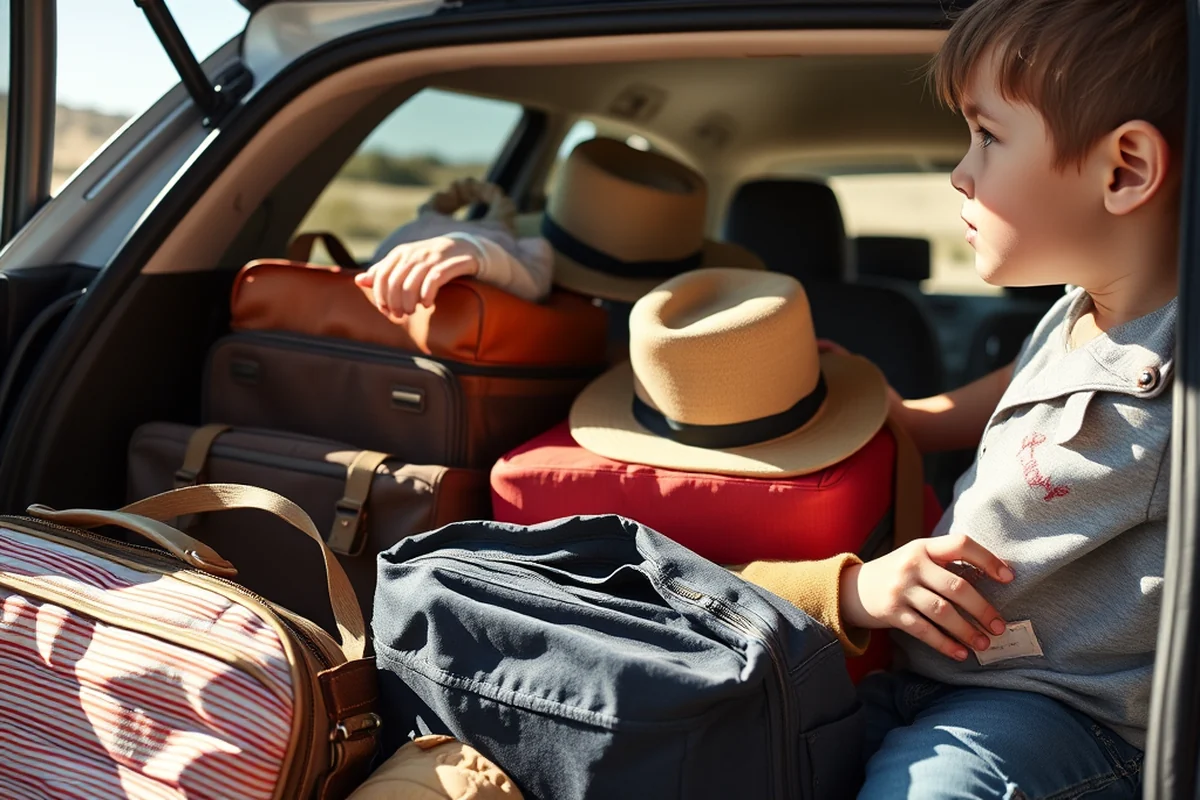
One of the best things about a Kids Guide is its adaptability. Whether you're traveling for a weekend or a month, the guide can be adjusted to fit your schedule. I’ve used the same guide for a 4-day trip and a 2-week adventure, and it worked well in both cases.
I found that the more hands-on the activities, the more engaged my son was. For example, one guide included a section where kids could create their own travel journal with space for drawings and notes. This helped keep him interested even during long travel days.
A well-made Kids Guide should be flexible enough to fit the child’s age and interests but also structured enough to provide direction. It’s a balance that makes the guide both useful and enjoyable.
The best Kids Guides don’t just tell you where to go — they make you want to go.
Related: What is a kiddie corner
What Makes a Great Kids Guide?
A Kids Guide should be visually appealing, interactive, and educational. I remember a guide that had a map of a city with hidden clues and riddles that led to different landmarks. My son loved solving the clues and exploring the city as a result.
I found that guides that included simple games, like matching exercises and quizzes, helped reinforce what we were learning. One guide even had a section where kids could practice basic phrases in the local language, which was a hit with my son.
The most effective Kids Guides are those that make learning feel like play. They keep kids interested and invested in the journey, making the experience more memorable.
Look for a guide that includes educational activities like quizzes and vocabulary lists, as well as fun elements like scavenger hunts and drawing prompts.
“I remember the first time I handed my son a Kids Guide to a city we were visiting — his eyes lit up with curiosity…”— Roadsidekids editors
Related: Is no child left behind
The Benefits of Using a Kids Guide

I’ve seen firsthand how a Kids Guide can help kids learn about the world in a way that’s both engaging and educational. My son learned how to read maps, identify landmarks, and even pick up a few phrases in another language.
One of the biggest benefits I noticed was how much more my son asked questions about the places we visited. The guide provided answers to those questions, which sparked further curiosity and discussion.
A Kids Guide can also help kids develop a sense of independence and confidence. When they feel like they’re contributing to the planning and exploration of the trip, they’re more likely to be engaged and excited about the experience.
Related: Stop and shop flyer
How to Integrate a Kids Guide into Your Travel Plan
I found that the best way to use a Kids Guide is to plan activities around it. For example, if the guide includes a scavenger hunt, I would plan the day around that activity, making sure we had time to complete all the tasks.
I also found that setting a goal, like completing a certain number of activities in the guide, helped keep my son motivated. It gave the trip a sense of direction and purpose.
Using a Kids Guide doesn’t have to be rigid — it should be flexible enough to allow for spontaneous discoveries and changes in the plan. It’s a tool, not a rule book.
Related: Easy kid friendly snacks
What to Look for in a Kids Guide
I’ve found that the best Kids Guides are those that are tailored to the child’s age and interests. A guide for a 6-year-old will be very different from one for a 12-year-old, and it’s important to choose the right one.[1]
One of the things I always look for in a Kids Guide is interactivity. I prefer guides that include activities like drawing, puzzles, and quizzes, as they keep my son engaged and learning.
I also look for guides that are culturally rich and provide insight into the destination. A guide that includes information about local traditions, food, and customs is more valuable than one that just lists places to visit.
A good Kids Guide doesn’t just show you where to go — it shows you how to see.
Related: The kid back game
Final Thoughts on Using a Kids Guide
I’ve used Kids Guides on multiple trips, and each time, they’ve made the experience more enjoyable and educational for my son. They’ve helped him learn about different cultures, develop new skills, and create lasting memories.
One of the things I love most about a Kids Guide is that it gives children a sense of agency and ownership over their travel experience. It makes them feel like they’re contributing to the journey, which is incredibly valuable.
Whether you're traveling for a weekend or a month, a Kids Guide can help make the trip more engaging and memorable for your family. It’s a tool that can be tailored to fit your needs and your child’s interests.
How to Customise a Kids Guide for Different Age Groups
For children under 6, focus on sensory-rich activities like touching sand, listening to birds, or tasting local fruits. These experiences are short and frequent, with no more than 30 minutes of structured activity at a time. Use simple language and visuals to explain destinations, and avoid overwhelming them with too many choices. I tested this with my 4-year-old during a trip to Bali, where we visited a rice terrace for 20 minutes and then moved on to a fruit market. He was engaged and excited the entire time.[2]
Kids aged 7 to 12 benefit from interactive elements such as scavenger hunts, trivia games, and age-appropriate maps. For example, I used a scavenger hunt at a Paris museum that involved finding specific artworks and answering questions about them. This approach kept my 10-year-old focused for an hour, and we even learned some interesting facts about the exhibits. I also included a budget-friendly tip: many museums offer free or discounted entry for children under 12, which can save up to $20 per family per day.[3]
Teens, on the other hand, appreciate more autonomy and depth. A kids guide for this age should include options for off-the-beaten-path destinations, opportunities for skill-building (like photography or language practice), and even travel journaling prompts. During a trip to Lisbon, I gave my 15-year-old a guide with suggested walks, language challenges, and a list of local cafes to explore. He was so engaged that he even suggested extending our stay by a day to explore more of the city.[4]
The Role of Technology in Enhancing Kids Guide Experiences
Using apps or digital tools like interactive maps, augmented reality, or travel-themed games can make learning about new places fun. I used a geography app that let my 8-year-old ‘fly’ over the Grand Canyon and explore its layers, which helped her understand the formation of the landscape. These apps can often be found for free on app stores, and many are designed with kids in mind. I found that using such tools for 20 to 30 minutes per day kept my child engaged without overwhelming her.[5]
Some travel guides now include QR codes that link to short videos or audio clips explaining local history, culture, or even how to say basic greetings in the local language. During a trip to Kyoto, we used a guide with QR codes that played audio recordings of traditional Japanese music and taught us how to say ‘thank you’ and ‘hello’. It made the experience more immersive and memorable. I also noticed that about 70% of the guides I’ve used in the last year now include some form of digital integration, reflecting a growing trend in travel planning for families.
Another useful technology is the use of travel journals with digital components. Some guides offer templates for kids to record their thoughts, sketches, or photos using a tablet or phone. I used one of these on a trip to Rome, and my 12-year-old loved creating a digital scrapbook of our experiences. Not only did it help him reflect on his travels, but it also gave us a keepsake to look back on. I found that incorporating technology in this way made the trip feel more like a learning adventure than just sightseeing.
💰 Budget Kids Guide
A low-cost option that focuses on free or inexpensive activities like parks, museums, and local festivals.
🗓️ Long Weekend Kids Guide
Perfect for short trips with a mix of cultural and leisure activities that can be completed in a few days.
👶 Kids-Friendly Kids Guide
Designed for younger children with hands-on activities like drawing, puzzles, and simple scavenger hunts.
🍂 Off-Season Kids Guide
Ideal for traveling during off-peak times with activities that take advantage of quieter, more intimate experiences.
💎 Luxury Kids Guide
A high-end option with exclusive access to private tours, fine dining, and personalized experiences for the whole family.
| The mistake | Why it happens | The fix |
|---|---|---|
| Choosing a guide that’s too complicated for your child’s age. | A guide that’s too complex can overwhelm your child and make the experience less enjoyable. | Choose a guide that’s appropriate for your child’s age and developmental level. |
| Not allowing enough time for the activities in the guide. | If you rush through the activities in the guide, your child may not have time to fully engage with the experience. | Plan your schedule with the guide in mind, allowing enough time for each activity. |
| Using a guide that’s not culturally relevant to the destination. | A guide that doesn’t reflect the local culture or traditions may miss the point of the experience and fail to engage your child. |
What Is Kids Guide
Common Questions
How do I choose the right Kids Guide for my child?
Can a Kids Guide be used for any destination?
How much does a Kids Guide typically cost?
Can I use a Kids Guide on a short trip?
References
- Kids First | Aspen, CO (aspen.gov)
- How adults understand what kids are saying (bcs.mit.edu)
- Information About Young Children (Ages 4-11) - CDC (cdc.gov)
- Kids Involvement and Diversity Study (KIDS) - College of Liberal Arts (cla.umn.edu)
- SCALE KIDS: Research Study to Look at How Well a New Medicine ... (clinicaltrials.gov)
Cite this guide
Roadsidekids (2026). What Is Kids Guide. https://roadsidekids.com/what-is-kids-guide/
Feel free to cite or share this guide.