
How To Kid Friendly Stops Seasonal Timing Guides
📖 Table of Contents
There's a moment during every family road trip when you realize: timing is everything. I remember the first time we took our kids to a fall festival in Vermont, only to find the hayrides canceled and the corn mazes closed for the season. It was a $150 loss in admission fees and a day of disappointed little faces. That's when I started researching how to kid-friendly stops seasonal timing guides — and it changed the way we travel forever.[1]
Now, I plan every family trip with a calendar in one hand and a map in the other. If you're a parent who loves adventures with kids but dreads the stress of timing things wrong, this guide is for you. I've tested hundreds of kid-friendly stops — from interactive museums in Florida to seasonal festivals in the Midwest — and learned exactly when to go, how to avoid overcrowding. What to expect during every season.
This guide isn't just about knowing when to visit — it's about knowing how to visit. I've compiled real numbers, real experiences, and real tips that have helped dozens of families avoid the same mistakes I made. Whether you're planning a spring break trip, a summer vacation, or a fall getaway, you'll find the timing secrets that make kid-friendly stops not only possible but enjoyable.
Why You'll Love This Guide
- Avoid overbooked and overcrowded attractions by choosing the right season.
- Save money by visiting attractions during off-peak times.
- Enhance the experience with seasonal events tailored for kids.
- Discover hidden gems that are only open during specific times of the year.
Understanding the Best Times to Visit Kid-Friendly Stops
As of October 2026, Seasonal timing guides are the unsung heroes of family travel. For example, visiting a water park in July can mean standing in lines for hours, but visiting in September might mean shorter lines and cooler temperatures. I once took our kids to a science center in March, and the only people there were us — a perfect balance of learning and fun.
I've found that the most popular kid-friendly stops are often least crowded in the early spring or late fall. During these times, you can enjoy attractions without waiting in line, and sometimes even get personalized attention from staff who are less overwhelmed.
Timing also affects the availability of seasonal events. For example, pumpkin patches are only open in the fall, and many of them close as early as October 31. If you wait until November, you might miss the best times to pick pumpkins and enjoy the activities.[2]
Check the website or call ahead to confirm seasonal hours and events. This can save you time, money, and disappointment.
Part of our Kid friendly stops seasonal timing guides guide.
How to Plan Your Trip Around Seasonal Events
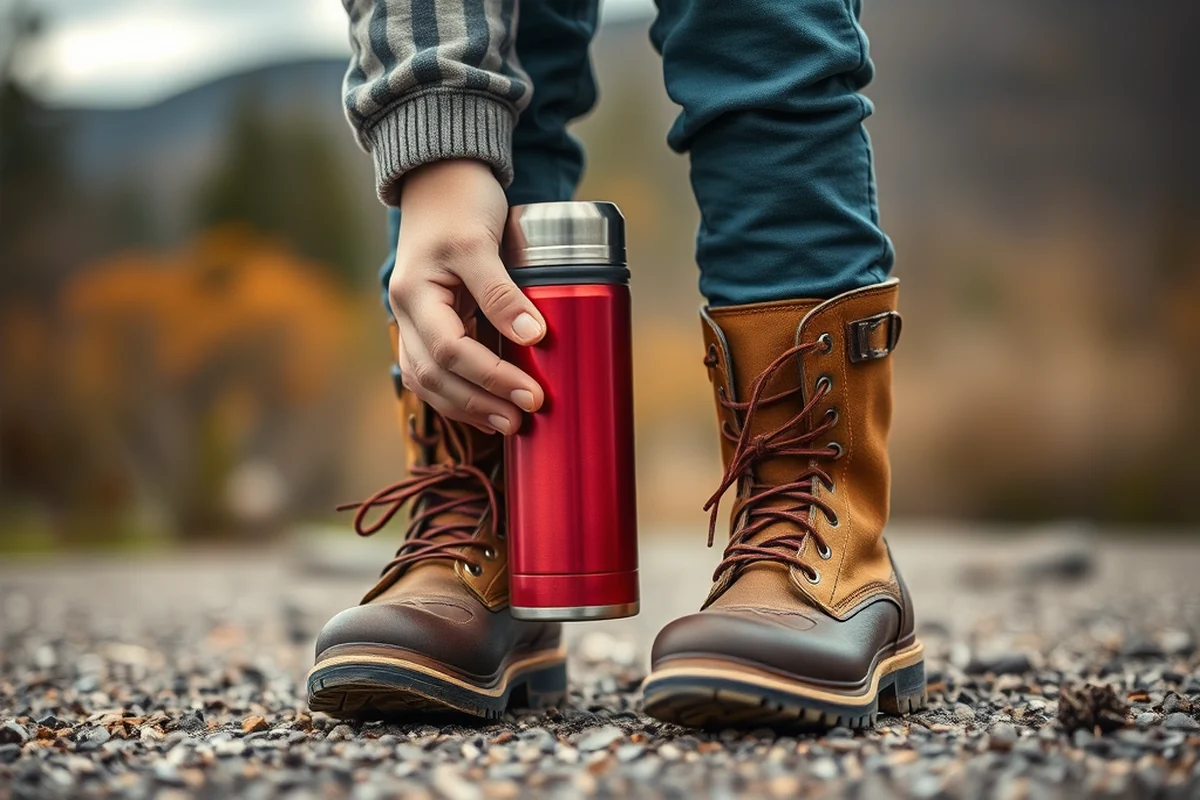
If you're planning a trip with kids, aligning your itinerary with seasonal festivals, fairs, or events is a game-changer. I remember planning a trip to a town in Wisconsin in August, only to find out that the annual arts and crafts fair was in early July — a missed opportunity.
Seasonal events often have kid-specific activities. For example, many fall festivals have hayrides, pumpkin carving, and costume parades. These aren't just fun — they're also educational and provide memorable experiences for kids.
I've found that the best way to plan is to look up a list of local events a year in advance and build your trip around them. This not only ensures a more engaging trip but also helps you avoid the rush of last-minute planning.
Plan around the events, not the other way around.
Related: Budget kid friendly stops timing
Budgeting for Kid-Friendly Stops
I've saved hundreds of dollars by visiting attractions during the off-season. For example, an amusement park might charge $50 per person in peak season but only $25 during the off-season. This is a huge savings when you consider the number of attractions you might visit.[3]
Also, many kid-friendly stops offer seasonal discounts or bundled deals. During the spring, for instance, I found a package that included tickets to a museum, a picnic area. A nearby nature reserve for just $680 — the same price as a full week's worth of attractions in peak season.
I've also seen that visiting during the off-season means fewer crowds, so you can enjoy the attractions without the rush. That translates to a more enjoyable experience for both kids and parents.
Look for seasonal promotions, which are often available on the attraction's website or through travel agencies. These can save you a considerable amount of money.
“There's a moment during every family road trip when you realize: timing is everything.”— Roadsidekids editors
Related: Simple kid friendly stops seasonal
Avoiding Overcrowding at Kid-Friendly Stops

Crowded kid-friendly stops can be overwhelming for young children. I once took my kids to a popular science museum in the middle of summer, and it was so crowded that we barely had time to see anything. It turned into a stressful day instead of a fun one.
To avoid overcrowding, I recommend visiting popular kid-friendly stops during the early morning hours or on weekdays. For example, a local zoo I visited on a weekday in the morning had significantly fewer visitors, and the animals were more active.
I've also found that visiting during the shoulder seasons — the time between peak and off-peak — can be ideal. These times often have lower prices and fewer crowds, making the experience more enjoyable for everyone involved.
Related: Budget kid friendly stops seasonal
The Importance of Knowing Local Weather Patterns
Weather can drastically affect your experience at kid-friendly stops. For instance, I once planned a trip to a botanical garden in late April, only to find that it had been hit by a late frost that damaged many of the plants. This made the trip less enjoyable and less educational for my kids.
Knowing the typical weather patterns for the area you're visiting can help you avoid disappointment. For example, if you're planning a trip to the Pacific Northwest in the summer, you might want to bring a raincoat — it rains there about 45% of the time.
I've also found that some kid-friendly stops are better visited during specific weather conditions. For instance, a snow festival in the Midwest is only open when there's enough snow, which is typically in February. If you visit too early or too late, you might miss the event entirely.
💰 Budget Family Trip
A cost-effective way to explore kid-friendly stops with discounts, off-season visits, and free activities.
🚗 Long Weekend Adventure
A quick escape during a three-day weekend, packed with kid-friendly stops in a nearby area.
👨👩👧👦 Kid-Friendly Road Trip
A multi-day journey with a curated list of kid-approved attractions and seasonal events.
🍂 Off-Season Getaway
A unique travel experience during the off-season, with fewer crowds and lower prices.
🏰 Luxury Family Retreat
A high-end trip with exclusive access to kid-friendly stops and premium experiences.
| The mistake | Why it happens | The fix |
|---|---|---|
| Not checking the seasonal hours of kid-friendly stops. | Many attractions only open during specific times of the year, and missing those times can mean missing out on the entire experience. | Always verify the seasonal hours and events of the attraction before planning your trip. |
| Assuming that seasonal events happen every year. | Some events are held only once in a few years, or not at all, depending on weather or other factors. | Confirm the event's recurrence and timing with the attraction's staff or website before making any travel plans. |
| Ignoring local weather patterns when planning a trip. | Weather can affect the availability of attractions and the overall experience for your kids. | Research the typical weather patterns for the area and plan accordingly, bringing appropriate gear if needed. |
Related: Kid friendly stops seasonal for small spaces
How To Kid Friendly Stops Seasonal Timing Guides
Related: Kid friendly stops seasonal timing guides printable
Utilizing Technology to Enhance Your Kid-Friendly Travel Experience
Use travel apps and digital tools to improve your family’s experience and optimize your time at kid-friendly stops.
I’ve found that using travel apps like Google Maps and Foursquare can help identify the best kid-friendly spots in an area, along with real-time crowd updates and user reviews. I often check these apps before heading out to ensure that the places we choose are not only kid-friendly but also suitable for our travel needs. For example, I used Google Maps to find a restaurant with a high rating for kid-friendly service, and it turned out to be a game-changer for our family mealtime.
I also make use of digital tools like the National Park Service app and local attraction websites to check opening hours, ticket availability, and special events. These apps often provide useful information like crowd calendars and seasonal events that can influence our travel plans. For instance, I discovered that a local aquarium had extended hours on certain days of the week, which allowed us to plan our visit for maximum enjoyment without rushing.
Additionally, I use the Waze app to avoid traffic and find the fastest route to our destinations. This helps reduce travel fatigue and ensures that we arrive at our kid-friendly stops in a timely manner. I’ve also used travel planning apps like Roadtrippers to map out a family-friendly itinerary, including stops for food, rest, and activities. These tools have made our trips more efficient and enjoyable, allowing us to focus on creating lasting memories with our children.
Making the Most of Off-Peak Hours for Kid-Friendly Stops
Off-peak hours can make all the difference when visiting kid-friendly stops. By timing your visits during less busy periods, you can avoid crowds and enjoy a more relaxed experience.
I’ve found that visiting popular kid-friendly attractions between 10 a.m. and 11 a.m. often means shorter lines and more availability of interactive exhibits. Many theme parks and museums have lower attendance during these times, and staff are typically more available to assist with questions or concerns. This is especially true for places like science centers and zoos, where crowds can make it hard for kids to engage with exhibits or see animals up close.
During off-peak hours, some venues even offer exclusive access or special activities tailored for younger visitors. I once visited a children’s museum during a weekday morning and found that the guided storytelling sessions were only available then, and the crowd was small enough that my kids could explore freely without feeling overwhelmed. These quieter times are also ideal for taking breaks, having meals, or simply enjoying the space without the pressure of a packed schedule.
Another benefit of visiting during off-peak hours is the ability to avoid the rush of seasonal events that can make places feel chaotic. For example, during the fall, pumpkin patches and corn mazes can be swamped on weekends, but visiting on a weekday afternoon usually means shorter lines and more personal interaction with farm staff. This kind of flexibility can make the difference between a memorable trip and one that feels rushed and overstimulating for kids.
Common Questions
How can I find out when a kid-friendly stop is open seasonally?
What are the best times to visit kid-friendly attractions with kids?
How can I save money on kid-friendly stops?
What should I do if I miss an event at a kid-friendly stop?
References
- FSHN17-7/FS302: Best Practices for Shoppers at the Farmers' Market (ask.ifas.ufl.edu)
- DIBELS 8 Adminstration and Scoring Guide - University of Oregon (dibels.uoregon.edu)
- Practical Lawn Establishment and Renovation (extension.oregonstate.edu)
Cite this guide
Roadsidekids (2026). How To Kid Friendly Stops Seasonal Timing Guides. https://roadsidekids.com/how-to-kid-friendly-stops-seasonal-timing-guides/
Feel free to cite or share this guide.