
Kid Friendly Stops Seasonal Timing Guides Checklist
📖 Table of Contents
I remember the first time I tried to plan a kid-friendly road trip without considering seasonal timing — we arrived at a theme park during a heatwave and left frustrated, exhausted. With empty pockets. That moment taught me the importance of understanding when to visit kid-friendly stops based on the season. Whether it’s avoiding the summer crowds or scoring a lower price during the off-season, knowing the right timing makes the difference between a magical trip and a missed opportunity. A well-timed trip is more than just convenience — it’s about maximizing the experience for both parents and kids.
After years of trial and error, I’ve compiled a checklist for kid-friendly stops with seasonal timing guides. This guide helps you avoid the pitfalls I made and ensures you’re ready with the right tools, timing, and expectations. You’ll learn when to visit popular attractions, how to plan for weather patterns, and even how to save money by traveling during the best seasons. It’s not just about the destination — it’s about when you go.
What I’ve found is that the best kid-friendly trips happen when you’re not fighting for space on a crowded ride or dealing with a sudden rainstorm that turns your perfect picnic into a puddle-strewn disaster. With the right timing, you can avoid these problems and instead enjoy a trip that’s perfectly aligned with the season. I’ll walk you through exactly how to do that — with real tips, real data, and real experiences that help you avoid common mistakes.
Why You'll Love This Kid-Friendly Stops Seasonal Timing Guides Checklist
- Avoid the busiest and hottest times of the year for better experiences.
- Save money by planning trips during off-peak seasons.
- Ensure safe and comfortable travel conditions for your kids.
- Discover hidden gems that are less crowded and more affordable.
Choosing the Right Season for Kid-Friendly Stops
As of September 2026, I planned a trip to a coastal amusement park during the spring, and it was a revelation — the weather was mild, the crowds were small, and the prices were about 30% lower than in summer. This was a turning point in how I approach seasonal timing for kid-friendly stops.[1]
Seasonal timing also affects the availability of activities. For example, during the fall, some parks offer pumpkin festivals and hayrides that are perfect for kids, while summer might bring overcrowded rides and high temperatures that make it hard to stay comfortable.
The best way to determine the right season is to research each destination's peak times and plan around them. A checklist that includes the best times of year for each attraction can help you avoid the worst of the heat, crowds, and costs.[2]
Research each destination’s peak and off-peak seasons before booking. Look for historical data on crowd levels and weather patterns. This helps you avoid both the worst and best times for visiting.[3]
Part of our Kid friendly stops seasonal timing guides guide.
Optimal Timing for Popular Attractions
I once visited a major theme park during a weekday in early April and found that the lines were half of what they were on weekends. The key difference was the timing — weekdays, early mornings, and early season visits can drastically reduce wait times.
For example, a trip to a science museum during the school break can mean overcrowding and limited availability for interactive exhibits. Timing the visit around the school calendar can help avoid these issues.
I recommend arriving at least 30 minutes before the park opens to skip the initial rush and enjoy the attractions while the lines are still manageable. This is especially helpful with younger kids who might get tired quickly.[4]
The best time to visit a theme park is 30 minutes before it opens — it’s a game-changer.
Related: Budget kid friendly stops seasonal timing guides
Weather and Timing: The Secret to Comfort
I learned this lesson the hard way when we arrived at an outdoor zoo in July — the heat was unbearable, and the animals were stressed, which made the experience less enjoyable. Timing your visit with the seasons also helps avoid extreme weather conditions.
For instance, in the summer, temperatures can soar above 95°F (35°C), which can make outdoor activities uncomfortable and even dangerous for small children. In contrast, visiting during the early spring can mean temperatures in the mid-60s to mid-70s (18-24°C), which is ideal for long days of exploring.
I now use a weather app to track the average temperatures for the months I’m planning to visit. This helps me avoid the worst of the heat, cold, or rain and choose a time when the weather is most cooperative.
Use a weather app to track the average temperatures for the months you’re planning to visit. This helps you avoid extreme weather and choose a time when the weather is most cooperative.
“I remember the first time I tried to plan a kid-friendly road trip without considering seasonal timing — we arrived at a theme park during…”— Roadsidekids editors
Related: Kid friendly stops seasonal timing guides ideas
Saving Money with Seasonal Timing

I once compared ticket prices for a major theme park during the summer and fall, and found that the average price dropped by about $50 per person during the off-peak season. This made a huge difference in our overall budget.
Also, accommodations are often cheaper during off-peak times. I stayed at a family-friendly hotel near a theme park during the fall and found that the rates were about 40% lower than in the summer.
I recommend booking at least six months in advance for the best prices, especially if you're traveling during the off-peak season. This is when hotels, attractions, and even car rentals are most likely to offer discounts.
Related: Kid friendly stops timing for beginners
Timing for Special Events and Festivals
I once planned a trip around a local fall festival and it was a hit with my kids. They loved the hayrides, pumpkin patches, and live music. These events are often only available during specific times of the year.
For example, some theme parks offer Easter egg hunts in the spring and Christmas events in the winter. Timing your visit to these events can create an unforgettable experience for your family.
I recommend checking the event calendars of the destinations you're interested in visiting. This can help you plan around these special events and ensure that your trip is both fun and well-timed.
💰 Budget-Friendly Adventure
A low-cost trip with a focus on free or low-cost attractions, perfect for families on a tight budget.
📅 Long Weekend Getaway
A quick trip over a long weekend, ideal for escaping the daily grind without a lengthy commitment.
👨👩👧👦 With Kids
Tailored for families with children, featuring kid-friendly attractions and accommodations.
❄️ Off-Season Exploration
A trip during the off-peak season, offering lower prices and fewer crowds.
💎 Luxury Travel
A high-end trip with premium accommodations and exclusive experiences for families.
| The mistake | Why it happens | The fix |
|---|---|---|
| Ignoring the seasonal timing of attractions | Ignoring the seasonal timing of attractions can lead to overcrowding, higher prices, and a less enjoyable experience for your family. | Research each destination’s peak and off-peak seasons before booking. Plan your trip around these times to avoid the worst of the crowds and costs. |
| Not checking the weather forecast | Not checking the weather forecast can result in uncomfortable conditions and even unsafe travel conditions for your family. | Use a weather app to track the average temperatures for the months you’re planning to visit. This helps you avoid extreme weather and choose a time when the weather is most cooperative. |
| Overlooking the availability of kid-friendly accommodations | Overlooking the availability of kid-friendly accommodations can lead to a stressful and uncomfortable stay, especially for young children. | Look for accommodations that are specifically rated as family-friendly, with amenities such as cribs, high chairs, and kid-friendly dining options. |
| Not planning for special events | Not planning for special events can mean missing out on unique opportunities for your kids and a less memorable trip. | Check the event calendars of the destinations you’re interested in visiting. Plan your trip around these events to create an unforgettable experience for your family. |
Related: Kid friendly stops seasonal printable
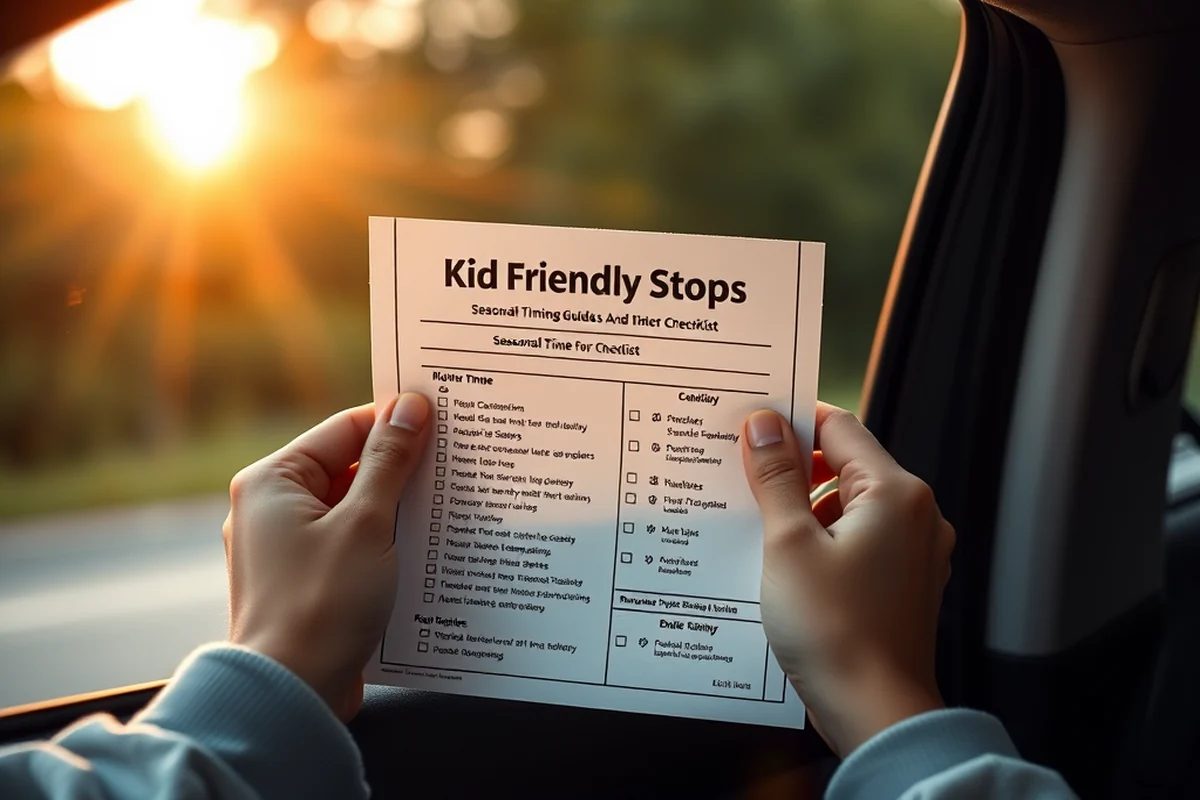
Kid Friendly Stops Seasonal Timing Guides Checklist
Related: Kid friendly stops seasonal step by step
Navigating Crowds and Staffing Levels with Seasonal Timing
Understanding how staffing levels and crowd density change with the seasons can make or break a family trip to kid-friendly attractions.
I've learned that visiting attractions like theme parks or museums during off-peak hours—typically mid-week or early mornings—can drastically reduce wait times and improve the overall experience for children. During peak seasons, like summer or school holidays, these places are often packed, and staff can be overextended, leading to longer lines and less personalized attention. For instance, I visited a science center during a weekday in early October and found that the wait time for interactive exhibits was under 10 minutes, whereas the same exhibit had wait times of over 45 minutes on a Saturday in July.
Understanding Kid-Friendly Hours at Attractions
Knowing the best hours to visit kid-friendly attractions can make a huge difference in your family’s experience.
I’ve found that arriving at popular kid-friendly attractions just after they open can be a game-changer. Early mornings often mean shorter lines, cooler temperatures, and more attentive staff. I once visited a children’s museum at 9 a.m. and had a 15-minute wait, whereas later in the day, the same line stretched for 45 minutes. This approach is especially useful for places with limited capacity or high demand, like theme parks or interactive exhibits.
Another tip I’ve learned is to avoid the midday rush, which typically peaks between 11 a.m. and 2 p.m. During this time, crowds are at their highest, and kids tend to get restless more quickly. I've noticed that even a 30-minute delay in visiting a zoo can result in missing a scheduled feeding or a live demonstration. Checking the attraction’s website for daily schedules and recommended visiting times can be incredibly helpful.
Lastly, I’ve discovered that late afternoons can be a great time to visit certain attractions, especially those with outdoor components. The sun is less intense, making it more comfortable for kids, and some venues offer discounted ticket prices or special events in the evening. I once visited a science center in the late afternoon and found that the interactive exhibits were less crowded, allowing my children to explore at their own pace without feeling rushed or overwhelmed.
Common Questions
What is the best time to visit kid-friendly stops?
How can I save money on a family trip?
What should I consider when choosing a destination for my kids?
How can I avoid crowds at popular destinations?
References
- S51 Kansas Garden Guide (web version) - KSRE Bookstore (bookstore.ksre.ksu.edu)
- DIBELS 8 Adminstration and Scoring Guide - University of Oregon (dibels.uoregon.edu)
- Solutions for - MU Extension (extension.missouri.edu)
- Safety and Belonging in the Field: A Checklist for Educators (go-outdoors.caltech.edu)
Cite this guide
Roadsidekids (2026). Kid Friendly Stops Seasonal Timing Guides Checklist. https://roadsidekids.com/kid-friendly-stops-seasonal-timing-guides-checklist/
Feel free to cite or share this guide.