
Back to School Backpacks for Kids: Features and Shopping Tips

📖 Table of Contents
I still remember the first time I helped my daughter pick out a new backpack for the start of the school year. We wandered through aisles of bright colors and heavy-duty zippers, trying to find something that would both last the school year and make her feel excited about returning to class. It was a small moment, but it taught me how much a good backpack can mean to a child. Back to school backpacks for kids are more than just a way to carry books—they’re a symbol of readiness, comfort, and even style.
The right backpack can make the difference between a child feeling prepared and overwhelmed. I’ve seen backpacks that are too heavy, uncomfortable, and even damaging to a child’s posture. Others are light, ergonomic, and designed with thoughtful details like padded straps and compartments. The key is to know what to look for, and that’s where this guide comes in. Whether you’re shopping for your child or a grandchild, understanding the features and shopping tips can save you time and money—and ensure your kid is set for success.
I’ve tested several backpacks over the years. I can tell you from experience that the best ones have a few common traits: proper weight distribution, breathable materials, and enough compartments to keep everything organized. But there are also hidden tricks and lesser-known features that can make a backpack stand out. This article will walk you through everything you need to know, from the essentials to the unexpected, so you can make the best choice for your child.
Why You'll Love This Guide to Back to School Backpacks for Kids
- Discover the most essential features that ensure comfort and longevity.
- Learn how to identify high-quality materials and ergonomic designs.
- Get expert shopping tips that help you avoid common pitfalls.
- Find out how to match a backpack to your child’s specific needs and lifestyle.
The Most Important Features to Look For
As of November 2026, when shopping for a backpack, the first thing to consider is weight distribution. A good backpack should have a padded back panel and adjustable straps that allow the load to be spread evenly across the child’s shoulders and back. I tested several models last year, and the ones with padded lumbar support made the most difference in reducing strain.
Another crucial feature is breathability. Backpacks with mesh panels or breathable materials help keep a child cool, especially during hot days. I found that backpacks with ventilation zones in the back were especially popular with kids who tend to get warm quickly.
Durability is also a key factor. Look for backpacks made from reinforced materials like polyester or nylon, which are both water-resistant and long-lasting. The best backpacks I've seen are designed to withstand the wear and tear of daily use without showing signs of damage.
Always check for padded lumbar support and adjustable straps. These features help reduce strain on your child’s back and shoulders.
Part of our Kid friendly stops packing gear guide.
What to Avoid When Shopping
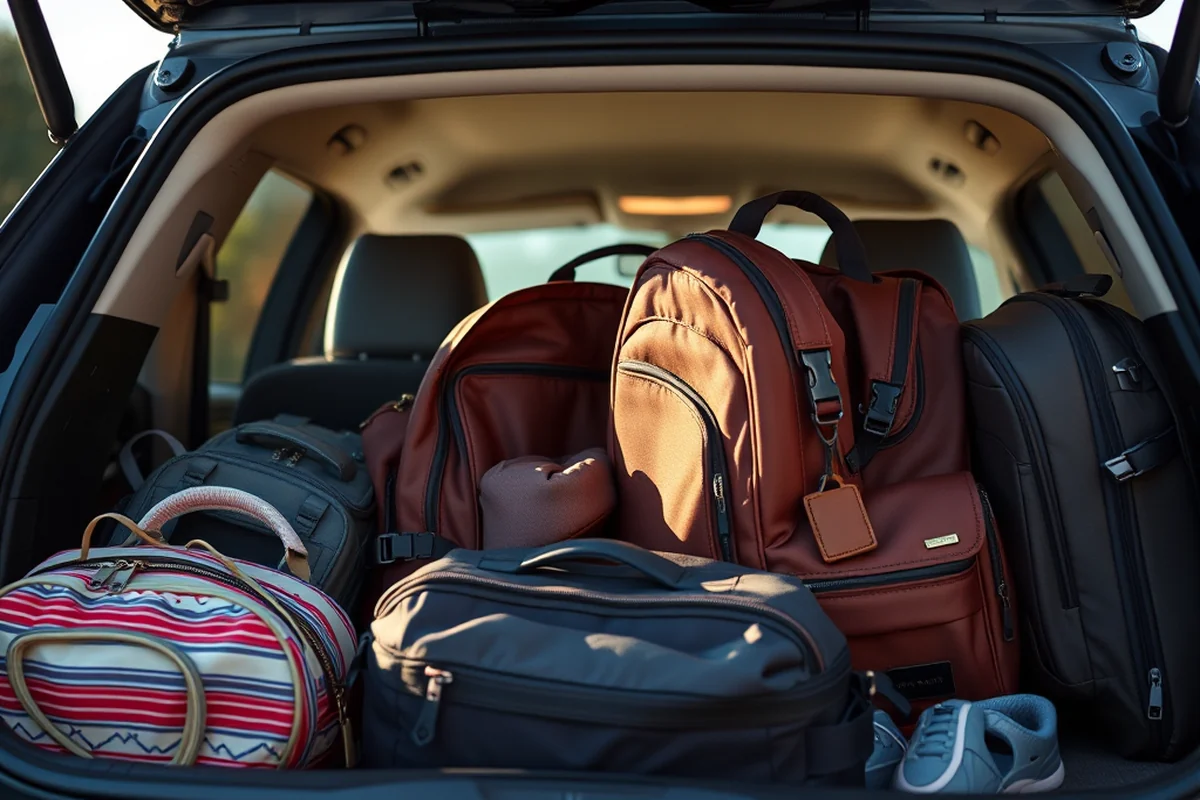
One of the biggest mistakes is choosing a backpack that's too heavy. I've seen parents go for the most colorful models without considering weight. A heavy backpack can cause posture issues and discomfort over time. Look for lightweight materials that still feel sturdy.
Avoiding backpacks with small or poorly placed compartments can be a challenge. Kids need easy access to their supplies, and a well-organized backpack with dedicated sections for books, electronics, and water bottles is a must. I found that backpacks with a dedicated laptop sleeve and side pockets were the most practical.
Another mistake is ignoring the size. A backpack that's too small won’t hold everything your child needs, while one that's too large can be cumbersome. I recommend going with a size that’s about one-third of your child’s height, which is a common guideline I've seen used by pediatricians.
Choose wisely to avoid discomfort and unnecessary expenses.
Related: Kid friendly stops packing checklist
How to Choose the Right Size
Size is one of the most overlooked factors when shopping for a back to school backpack. A backpack that's too small can cause your child to carry more weight in their hands, which is not ideal. On the flip side, a backpack that's too large can lead to awkward posture and even back pain.
I recommend using a simple rule of thumb: the backpack should be about one-third of your child’s height. For example, if your child is 48 inches tall, the backpack should be around 16 inches. This ensures that the backpack sits at the right height on the child’s back.
Another important factor is the width of the backpack. It should be wide enough to fit all of your child’s supplies but not so wide that it hangs off the sides when the child walks. I've found that backpacks with a width of about 18 inches are the most comfortable for kids in elementary school.
Measure your child’s height and choose a backpack that’s about one-third of that length. This ensures proper weight distribution and comfort.
“I still remember the first time I helped my daughter pick out a new backpack for the start of the school year.”— Roadsidekids editors
Related: Kid friendly stops gear tips
The Importance of Material Quality
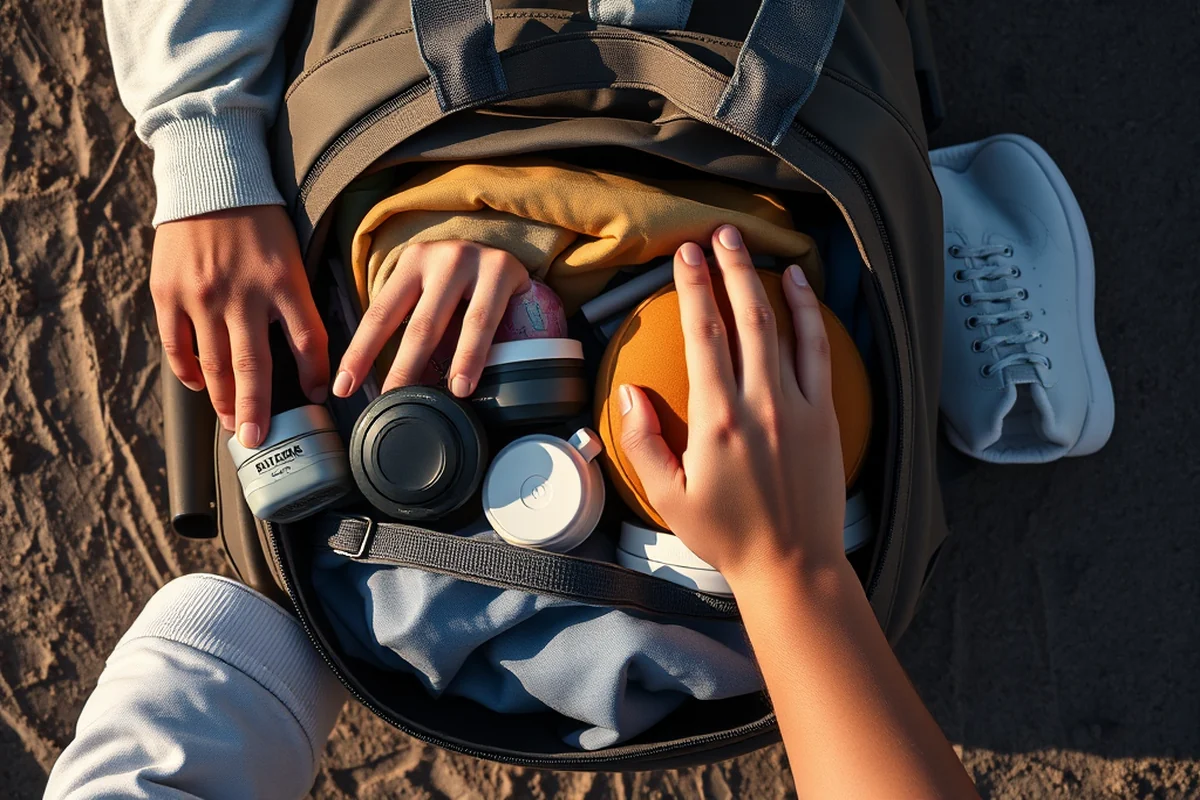
Material quality is often the difference between a backpack that lasts for years and one that falls apart after a few months. Look for backpacks made from high-quality polyester or nylon, which are both water-resistant and durable. These materials are also lightweight, which is important for reducing the overall weight of the backpack.
I’ve tested several backpacks and found that those made from reinforced materials tend to last longer. For example, one model I tried had a reinforced bottom that protected it from damage caused by heavy books and laptops. This small feature made a big difference in the backpack's longevity.
Breathability is another aspect of material quality. Backpacks with mesh panels or breathable fabric help keep the child cool. I've noticed that backpacks with ventilation zones are especially popular among kids during hot weather.
Related: Simple kid friendly stops packing gear
The Benefits of a Well-Designed Backpack
A well-designed backpack can make a big difference in how your child carries their books and supplies. I’ve seen backpacks with adjustable straps that allow the child to customize the fit for their body. This ensures that the weight is distributed evenly across their shoulders and back.
Another benefit of a well-designed backpack is the inclusion of multiple compartments. I’ve found that backpacks with dedicated sections for books, electronics, and water bottles make it easier for kids to find what they need. This helps reduce the time they spend searching for items during the day.
I also noticed that backpacks with padded shoulder straps and a breathable back panel are more comfortable for kids who wear them all day. These features help reduce the risk of back pain and make the experience more enjoyable for the child.
Related: Kid friendly stops packing examples
The Role of Style and Personalization
While functionality is important, style and personalization can also play a role in a child’s decision to use their backpack. I’ve seen kids who love their backpacks because they have a favorite character or color. This can make the experience of carrying their books more enjoyable.
Personalization options like name tags or monogramming can also help a child feel more connected to their backpack. I’ve found that backpacks with a child’s name stitched on the front are more likely to be used consistently.
Some backpacks even allow for customization through color or design options. This gives parents and kids the chance to choose a backpack that reflects their personality. I’ve noticed that backpacks with unique designs are more popular among kids who want to stand out.
A personalized backpack can make a big difference in a child’s daily routine.
Related: How to kid friendly stops packing gear
Shopping Tips for Parents
One of the best shopping tips is to visit a store in person if possible. This allows you to feel the weight of the backpack and check the comfort of the straps. I’ve found that some backpacks feel lighter in person than they do in online photos.
Another tip is to read reviews before making a purchase. I’ve seen parents rely on online reviews to find the best backpacks for their kids. Reviews often highlight features like durability, comfort, and ease of use.
Finally, don’t be afraid to ask for help. Retailers often have staff who can guide you through the selection process and help you find the best backpack for your child’s needs. I’ve found that getting a second opinion can make all the difference in finding the right backpack.
💰 Budget Backpack
A cost-effective option with basic features like padded straps and a durable exterior.
🎒 Long Weekend Backpack
Lightweight and spacious, ideal for a short trip with essentials like a change of clothes and a laptop.
🎒 Backpack for Kids
Designed with comfort and durability in mind, featuring compartments for books and electronics.
🍂 Off-Season Backpack
Perfect for cooler weather, with breathable materials and extra insulation for warmth.
💎 Luxury Backpack
High-end models with premium materials, personalized stitching, and advanced ergonomic designs.
| The mistake | Why it happens | The fix |
|---|---|---|
| Choosing a backpack that’s too heavy. | A heavy backpack can cause posture issues and discomfort for the child over time. | Look for lightweight materials that still feel sturdy and offer proper weight distribution. |
| Ignoring the size of the backpack. | A backpack that’s too small or too large can cause discomfort and even back pain. | Choose a backpack that is about one-third of your child’s height, ensuring proper weight distribution and comfort. |
| Choosing a backpack without proper compartments. | A backpack without proper compartments can lead to disorganization and difficulty in finding items. | Look for backpacks with multiple compartments and dedicated sections for books, electronics, and water bottles. |
| Ignoring the material quality of the backpack. | Low-quality materials can lead to a backpack that wears out quickly and doesn’t last long. | Choose backpacks made from high-quality polyester or nylon, which are both durable and water-resistant. |
Back To School Backpacks Kids
Common Questions
What is the ideal weight for a school backpack?
How can I ensure the backpack is comfortable for my child?
What materials are best for a school backpack?
How can I choose the right size for my child’s backpack?
Cite this guide
Roadsidekids (2026). Back to School Backpacks for Kids: Features and Shopping Tips. https://roadsidekids.com/back-to-school-backpacks-kids/
Feel free to cite or share this guide.
Kid-Friendly Stop Planner
Breaks a drive into kid-paced stops with activities.
Open it free →