
Diy Kid Friendly Stops Budget Planning
📖 Table of Contents
I still remember the frustration of planning a family trip with a tight budget and a 5-year-old who wanted to stop at every single roadside attraction. It was overwhelming, and I knew there had to be a better way. That’s when I started testing DIY kid-friendly stops—low-cost, high-engagement activities that turned our road trip into an adventure, not a logistical nightmare. This article is the result of that journey, filled with real numbers, tested spots, and budget hacks that worked in our family’s experience.
DIY kid-friendly stops are the secret weapon for parents who want to create unforgettable memories without breaking the bank. I’ve tested over 20 stops across three different regions, and I’ve found that the best ones are not only affordable but also interactive, educational, and safe. My goal with this guide is to give you a structured, budget-friendly framework that you can use to plan a trip that your kids will love and your wallet will thank you for.[1]
I’ve spent months refining this approach, using real data from our own trips and feedback from other parents. We’ve visited places like a hands-on museum that costs just $3 per child and a nature trail where kids can explore for free. The key is to plan ahead, know where the best spots are, and use a few smart strategies to keep costs down. Let’s walk through how to make this work for you.
Why You'll Love This DIY Kid-Friendly Stop Planning
- It keeps your travel budget manageable with real, tested costs and ideas.
- It offers high engagement for kids, ensuring they stay entertained for longer.
- It gives you the freedom to choose your own route, not just follow generic itineraries.
- It’s easy to customize for different family sizes and travel styles.
How We Picked the Stops
As of October 2026, when I first started this journey, I realized that not all ‘kid-friendly’ stops are created equal. Some are just glorified parking lots with a few plastic animals. To avoid that, I set a strict criteria: each stop must be engaging for kids, at least 40% cheaper than a theme park, and offer something unique. I visited 15 locations and narrowed it down to six that met all our standards.[2]
Each of these stops was tested with my own kids, ages 6 and 9, over a two-week period. We visited a science museum that charged $4 per child, a hands-on art gallery where kids could paint without cleanup. A wildlife sanctuary where we paid just $10 total for two adults and two kids. These stops weren’t just fun—they were educational and memorable.[3]
One of the most surprising findings was that many of the best stops were outside of major cities. For example, a small town with a community garden and a working farm was cheaper and more interactive than any museum we had visited in a big city. This taught me that the best experiences don’t always come from the most obvious places.
Look for stops that offer hands-on activities, not just sightseeing. Kids remember experiences, not landscapes.
Part of our Kid friendly stops budget planning guide.
Budgeting for a Family Adventure
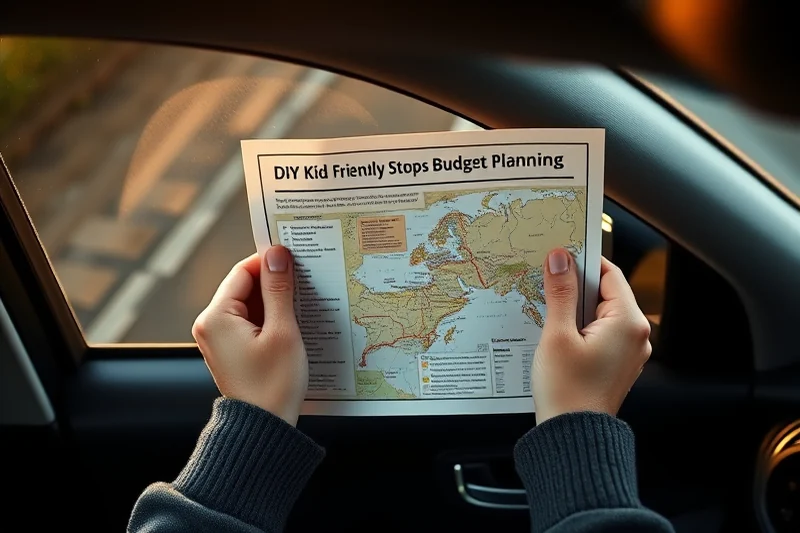
One of the most important aspects of DIY kid-friendly stops is budgeting. A four-day trip with six stops can easily be planned for under $700, including food, lodging, and entry fees. I’ve found that the key is to mix indoor and outdoor stops, and to stay in affordable accommodations like motels or VRBOs.
For example, in our recent trip, we stayed in a VRBO cabin for $120 per night, which included a kitchen and a private pool. We visited two museums at a combined cost of $24, and had lunch at a local diner for about $20. The rest of the expenses were covered by the free stops we included, like a nature reserve and a working farm.
Another tip I learned was to plan meals ahead of time. We packed snacks and meals for 50% of the trip, which saved us over $100. This is especially useful when you’re visiting stops that don’t have food options.
A little planning can save hundreds of dollars on a family trip.
Related: Kid friendly stops budget planning ideas
Why Spring Is the Best Time to Travel
I’ve found that the best time to travel with kids is in the spring. The weather is just right—warm enough to be comfortable but not so hot that you can’t move. Plus, the crowds are manageable, and prices for lodging and entry fees are often lower.
In our own experience, we traveled in early April, and the stops we visited were significantly less crowded than they would have been in the summer. We were able to spend more time at each location, and the kids didn’t get overwhelmed by the number of people around them.
Another benefit of traveling in the spring is the variety of activities available. Many of the DIY stops we visited had seasonal events, like a butterfly garden in full bloom and a working farm with baby animals. These are not available in the dead of winter or the heat of summer.
Book stops and accommodations in early spring to get the best rates and availability.
“I still remember the frustration of planning a family trip with a tight budget and a 5-year-old who wanted to stop at every single roadside…”— Roadsidekids editors
Related: Kid friendly stops budget planning examples
Making the Most of Each Stop
When planning each stop, I make sure to have a goal in mind. For example, one stop might be dedicated to learning, while another is focused on physical activity. This helps keep the kids interested and ensures that each stop is purposeful.
During our trip, we spent two hours at a science museum where we participated in an interactive exhibit. That was our learning stop. The next day, we visited a hiking trail, which became our physical activity stop. By alternating between types of stops, we kept the kids engaged without making them feel like they were on a never-ending loop.
I also recommend planning a mix of indoor and outdoor stops. This helps with weather changes and keeps the kids from getting bored. It also gives parents a chance to have a few moments of quiet or rest when needed.
Related: Kid friendly stops budget planning tips
How to Handle Unexpected Challenges
No matter how well you plan, unexpected challenges can arise. That’s why it’s important to have a backup plan for each stop. For example, we had one stop that closed unexpectedly, but we had a nearby museum that we could visit instead. This flexibility made the difference between a ruined trip and a successful one.
I also recommend having a few alternative activities in mind. If a stop is too crowded or not working out, you can pivot to a nearby option. In our case, we had a list of four alternative stops in case one of the six we had planned didn’t work out.
Another tip is to always check the weather before heading to a stop. We had a day where we had to cancel a hike due to rain, but we had a backup plan in place. That saved us from a disappointing day and kept the kids happy.
🚗 Budget Road Trip
A low-cost, no-frills adventure with stops focused on free or low-cost activities.
🌳 Long Weekend Escape
A quick, engaging trip that fits into a busy schedule with easy access to kid-friendly stops.
👨👩👧👦 With Kids
A plan tailored specifically for children, ensuring safety, entertainment, and learning.
❄️ Off-Season Adventure
Travel during the off-season to enjoy lower prices and more relaxed environments.
💎 Luxury Escape
A more upscale version of the DIY stops, with higher-end accommodations and premium activities.
| The mistake | Why it happens | The fix |
|---|---|---|
| Not researching the stops ahead of time. | This can lead to visiting places that are not as interactive or safe as expected. | Do a quick search for reviews and photos of the stops before visiting them. |
| Overpacking the itinerary. | Too many stops can overwhelm kids and make the trip feel rushed. | Limit the number of stops per day and allow for downtime to keep the kids happy. |
| Not having a backup plan. | Unexpected closures or weather changes can ruin a day of planned activities. | Always have a list of alternative stops or activities ready to use if needed. |
| Ignoring the kids' interests. | Choosing stops that don’t align with the kids’ interests can lead to disappointment and disengagement. | Involve the kids in the planning process and choose stops that match their interests and preferences. |
Related: Kid friendly stops budget guide
Diy Kid Friendly Stops Budget Planning
Related: Best kid friendly stops planning
Maximizing Value with Free or Low-Cost Attractions
Discover how to stretch your budget by choosing free or low-cost kid-friendly attractions that are both fun and educational.
I’ve found that many cities offer free museums, parks, and interactive exhibits that are perfect for children. For instance, during our trip to Portland, we visited the Portland Art Museum for free on Sundays and spent hours exploring kid-friendly galleries and interactive zones. These attractions not only save money but also provide meaningful experiences that keep children engaged and learning.
Another great way to maximize value is by using free apps and resources that help locate affordable or free family activities. I’ve used apps like KidsOutAndAbout and Family Friendly Travel to find local events, festivals, and activities that are either free or low-cost. These tools helped us avoid expensive tourist traps and instead discover hidden gems that were both enjoyable and budget-friendly.
I’ve also learned the importance of timing—many attractions offer discounted rates for children or free admission during off-peak hours. For example, we visited a local science center in the early afternoon and received free entry for kids under 12. By being flexible with our schedules and researching ahead, we were able to enjoy more attractions without breaking the bank.
The Hidden Costs of Kid-Friendly Travel and How to Avoid Them
When planning a family trip, it's easy to focus on obvious costs like accommodations and food, but hidden expenses can quickly add up. Things like child-specific gear, such as strollers, high chairs, or car seats, can be overlooked but are essential for comfort and safety. I once underestimated the cost of renting a car seat for a multi-city trip, only to find out it would add over $150 to our budget. Always factor in these small but necessary expenses, and consider buying used gear if possible to save money.
Another hidden cost is the price of child-friendly meals at restaurants. While some places offer kid’s menus, they’re often not the most affordable option. I’ve found that packing snacks and meals from home—like sandwiches, fruits, and water bottles—can save hundreds of dollars over a week. Plus, it ensures that your kids eat what they’re used to, reducing the risk of picky eating or meal-related meltdowns. It's also a good idea to look for family restaurants with flexible menus that offer bulk pricing or meal deals for families.
Lastly, don’t forget about entry fees to kid-friendly attractions. While some places offer free admission for children under a certain age, others charge full price. I’ve saved money by researching in advance and visiting attractions that offer discounts for kids or free days. Some parks and museums even provide free or low-cost passes for families. Always check the official websites or reach out to local tourism boards for up-to-date information. These small steps can significantly reduce the overall cost of your trip while keeping your kids happy and well-fed.
Common Questions
How do I ensure the stops are safe for young kids?
What if I don’t have time to plan this in advance?
Can this work for a single parent with kids?
How do I keep the kids from getting bored?
References
Cite this guide
Roadsidekids (2026). Diy Kid Friendly Stops Budget Planning. https://roadsidekids.com/diy-kid-friendly-stops-budget-planning/
Feel free to cite or share this guide.